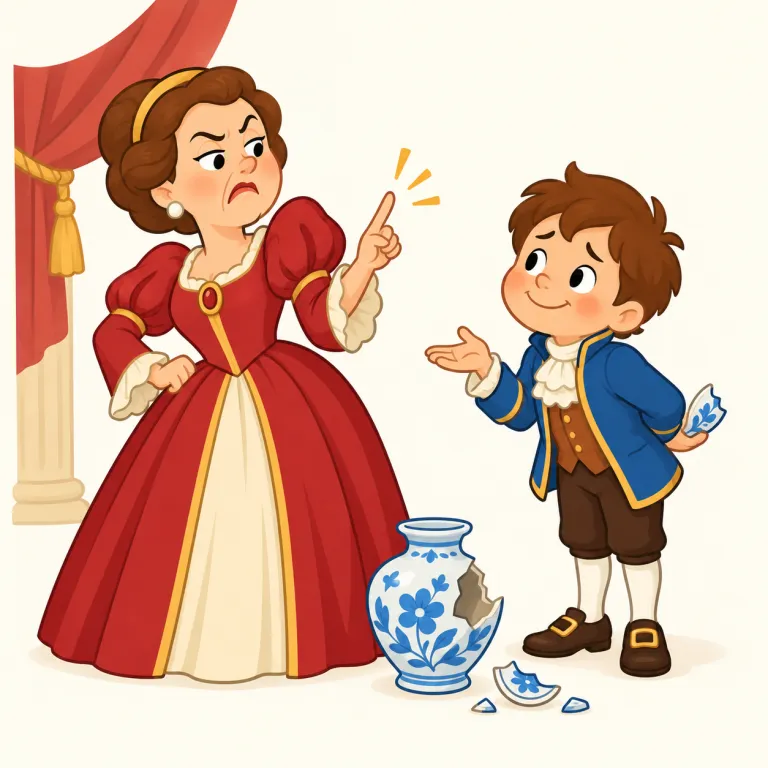
ちぇっ、恥を知れ
解説 Definition
嫌悪、不賛成、非難を表す古風な間投詞で、「ちぇっ」「けしからん」「恥を知れ」などに相当します。主に文学や歴史的な文章、意図的に芝居がかった発言で見られます。
Fie is an old-fashioned interjection expressing disgust, disapproval, or moral condemnation. It is now encountered mainly in historical writing, literature, or deliberately theatrical speech, often in the pattern “fie on” someone or something.
使い方 Usage
覚え方のコツ Memory Tip
芝居の登場人物が「恥を知れ!」と叫ぶ場面と Fie on you! を結び付けましょう。似た綴りの foe「敵」とは意味も語源も無関係です。
Picture a character in a play crying “Shame!” and remember “Fie on you!” The dramatic scene helps you remember its disapproving tone. Foe means an enemy and is unrelated despite the similar spelling.
例文
Fie on you for telling such a lie!
そんなうそをつくとは、恥を知れ!
Fie upon such dishonesty!
そのような不正はけしからん!
fie の類義語・関連語
fie の語源・成り立ち Etymology
中英語 fi を経て、嫌悪や軽蔑を表すアングロフランス語の間投詞に由来します。それ以前の詳しい起源は確かではありません。綴りが似ている foe とは語源的に無関係です。
Fie entered English as Middle English fi from an Anglo-French exclamation of disgust or contempt. Its more remote origin is uncertain. It is not historically related to foe, despite the superficial resemblance in spelling.
同じレベルの語彙をもっと
外部辞書で調べる
この英単語をクイズで覚えよう