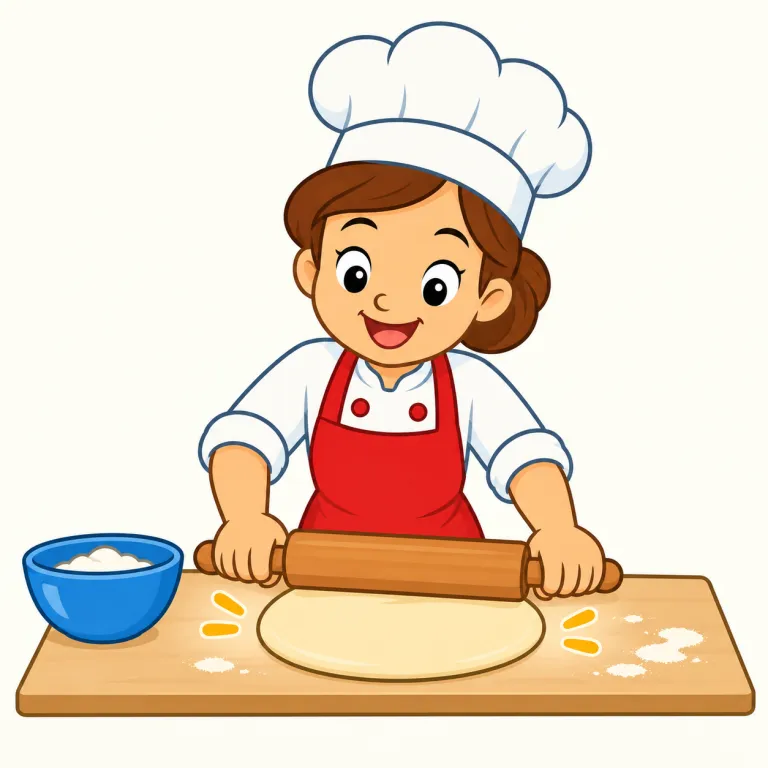
平らにする
解説 Definition
flattening は flatten(平らにする、平らになる)の現在分詞・動名詞です。物の表面や形を平らにする動作に使われ、図表の線や変化が緩やかになる意味もありますが、ここでは物理的に平らにする意味です。
Flattening is the present participle or gerund of flatten. In its physical sense, it describes pressing, rolling, or otherwise changing an object or surface so that it becomes level, thinner, or less raised.
覚え方のコツ Memory Tip
原形 flatten「平らにする」に -ing を付けた現在分詞・動名詞です。末尾の子音は重ねず、そのまま flattening とします。発音も原形の語幹を保ちます。flattening the dough with a rolling pin のように、力を加えて凹凸や厚みを減らす場面と結び付けましょう。
Start with the adjective flat, add -en to form the verb flatten, “make flat,” and then add -ing: flattening. The final consonant is not doubled, so the spelling remains flattening. Its pronunciation keeps the same stem as flatten. Picture a rolling pin pressing dough, a worker leveling soil, or a cardboard box being pressed down. These scenes reinforce the physical meaning: force changes something raised, thick, folded, or uneven into a flatter form. Common patterns include flattening the dough, flattening the soil, and flattening a box.
例文
She is flattening the dough with a rolling pin.
彼女は麺棒で生地を平らにしています。
The worker began flattening the soil before laying the stones.
作業員は石を敷く前に土を平らにし始めました。
Flattening the cardboard boxes made them easier to recycle.
段ボール箱を平らにすると、リサイクルしやすくなりました。
flattening の類義語・関連語
類義語
対義語
紛らわしい語
flattening の語源・成り立ち Etymology
古英語flat(平らな)は古ノルド語flatrに由来し、印欧祖語*plat-(広げる)が語源。接尾辞-enで動詞化し「平らにする」の意。関連語にflat、platformがある。物理的に「広く伸ばす」イメージが根底にある。
Flattening is formed from flatten plus the participial or gerund suffix -ing. Flatten itself combines flat with the verb-forming suffix -en, literally giving the sense “make flat.” Flat entered English through Germanic sources and is associated with Old Norse flatr, “flat.” Its deeper history is connected with the idea of spreading something broad or wide, an image retained in the physical action of pressing or leveling a surface.
同じレベルの語彙をもっと
外部辞書で調べる
この英単語をクイズで覚えよう