短い情事、一時の恋
noun 名詞真剣な交際や長期的な約束を伴わない、短期間の恋愛関係や情事を指す可算名詞です。have a fling with someone の形が典型的で、くだけた文脈で用いられます。
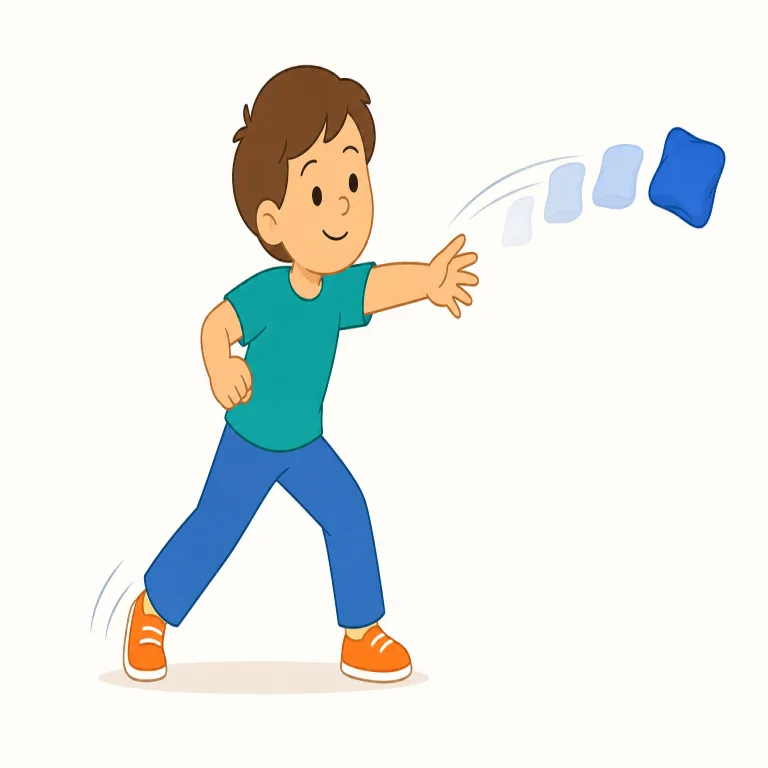
fling は英検準1級レベルの英単語で、「投げ飛ばす」という意味があります。発音記号は /ˈflɪŋ/ です。
flingとは、何かを勢いよく素早く投げたり、放り投げたりすることを意味する動詞です。感情的な行動として、怒りや不満からものを投げる場面でよく使われます。また、腕や体の一部を素早く動かす動作にも使われます。
To fling something means to throw it quickly, strongly, or carelessly. It often suggests a sudden movement with emotion, force, or little control. The word is common for both objects and body movement.
throw よりも、もっと勢いよく・感情まかせに「ばっと放る」動詞として覚える。fling は 1 回の瞬発的な動きの印象が強く、怒って物を投げる、コートをソファに放る、fling the door open のようにドアを勢いよく開ける場面でよく合う。軽く放る toss、普通に投げる throw、荒っぽく勢いで放る fling という差で整理すると定着しやすい。腕を fling out のように手足をさっと動かす場合にも使える。sling とつづりを混同しないこと。
Think of `fling` as a more emotional, sudden version of `throw`. You `fling` something when you toss it with force or in anger, or when you `fling the door open`. It helps to compare: `toss` is light, `throw` is neutral, `fling` is wild and quick. Be careful not to confuse it with `sling`.
She flung her bag onto the sofa when she came home.
彼女は帰宅するとソファにバッグを放り投げました。
In anger, he flung the book across the room.
怒りにまかせて、彼は本を部屋の反対側まで投げ飛ばしました。
She flung her arms around her mother when they finally reunited.
再会したとき、彼女は母親に両腕を回して抱きしめました。
この語をはじめて出題された 52人 のうち 37人 が正解しました(71%)。
えいたんごクイズの回答から集計した独自データです。1人につき最初に出題されたときの1回だけを数えており、復習や2回目以降の回答、「わからない」と時間切れは含みません。 集計時点は 2026年9月19日 です。
文脈によって、次の意味でも使われます。
真剣な交際や長期的な約束を伴わない、短期間の恋愛関係や情事を指す可算名詞です。have a fling with someone の形が典型的で、くだけた文脈で用いられます。
fling は古ノルド語 flengja「打つ、むち打つ」に関係するとされ、まず『激しく走る・突進する』、そこから『勢いよく投げる』へ広がった。力まかせにさっと放る感じが語源に残っており、乱暴さを伴う throw だと納得しやすい。関連語は far-flung、flinger。
Fling is probably related to Old Norse flengja, meaning "to whip" or "to strike." It first carried a sense of moving suddenly or rushing violently, and from that it developed the meaning "to throw with force." That older feeling of quick, rough motion still remains in the word. Related words include far-flung and flinger.
この英単語をクイズで覚えよう