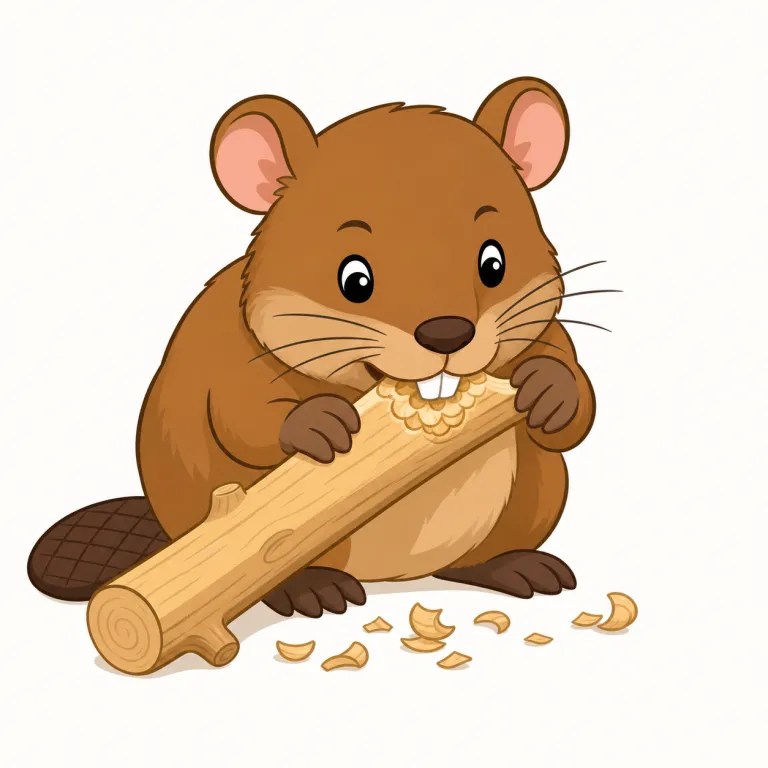
gnaw
gnaw は英検1級レベルの英単語で、「繰り返しかじる、心をじわじわむしばむ」という意味があります。発音記号は /nɔː/ です。
意味一覧 (2件)
繰り返しかじる
解説 Definition
歯で硬い物などを何度もかみ、少しずつ削ったり傷つけたりすることを表します。一度だけかむ動作ではなく、継続的な動作に焦点があります。
To gnaw means to bite or chew something repeatedly, especially something hard, so that it is gradually worn down or damaged. The focus is on continued small bites rather than one bite.
覚え方のコツ Memory Tip
硬い物を歯で一度だけかむのではなく、何度もかじって少しずつ削る動作がgnawです。a puppy gnaws a chair legなら子犬が椅子の脚を繰り返しかじる場面で、gnaw through a sackなら、かじり続けて袋に穴を開けるところまでを表します。語頭のgは発音しません。
Picture a mouse repeatedly working its teeth against wood or a bone. Unlike a single bite, gnaw emphasizes repeated chewing and gradual wear. The initial g is silent.
例文
The puppy gnawed the leg of the chair.
子犬は椅子の脚を繰り返しかじった。
Rats had gnawed through the grain sacks.
ネズミが穀物袋をかじって穴を開けていた。
The horse stood gnawing on a wooden fence rail.
馬は立ったまま木製の柵をかじり続けていた。
心をじわじわむしばむ
(意味 2)
解説 Definition
不安、罪悪感、疑いなどが長く心に残り、人を絶えず悩ませたり、自信などを少しずつ弱めたりすることを表します。gnaw at の形でよく使われます。
To gnaw at someone or something figuratively means for worry, guilt, doubt, or a similar feeling to trouble a person persistently or gradually weaken their confidence or peace of mind.
覚え方のコツ Memory Tip
gnaw は本来、動物などが物を少しずつ「かじる」動作を表します。そこから、罪悪感や疑いが心や自信を長い時間かけてかじり続けるように「じわじわむしばむ」という比喩になります。Guilt gnawed at him のように、感情や疑念を主語にした gnaw at の形が頻出です。
Imagine worry taking repeated small bites out of your peace of mind. In this figurative use, the troubling feeling is often the subject and is followed by gnaw at.
例文
Guilt gnawed at him for years.
罪悪感が何年もの間、彼の心をじわじわむしばんだ。
A nagging doubt gnawed at her confidence.
消えない疑いが彼女の自信を少しずつむしばんだ。
The unanswered question kept gnawing at my mind.
答えの出ない疑問がずっと私の心を悩ませていた。
gnaw の類義語・関連語
gnaw の語源・成り立ち Etymology
gnaw は「歯で繰り返しかじる」ことを表した古英語 gnagan にさかのぼるゲルマン系の語です。物を少しずつ削るという物理的なイメージが語義の核にあります。
Gnaw continues Old English gnagan, a Germanic verb for biting or wearing something away with the teeth. Its central image is gradual damage caused by repeated biting.
同じレベルの語彙をもっと
英検1級の一覧へ →外部辞書で調べる
この英単語をクイズで覚えよう