中心、原動力
noun 名詞組織や場所に活気を与え、その活動を支える中心的な存在を比喩的に指します。the heartbeat of the community のように用い、単なる物理的な中心ではなく生命力の源であることを強調します。
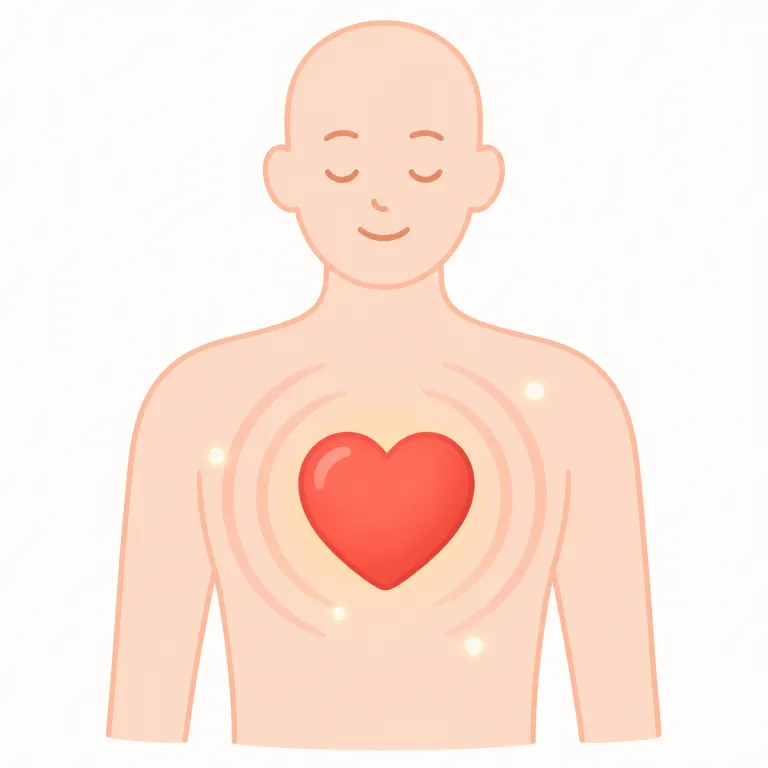
心臓が収縮と拡張を繰り返すことで生まれる拍動を指します。胸に手を当てたり聴診器で聞いたりして感じられる、心臓の打つリズムです。文脈によっては、その速さや回数を含めて「心拍」と言うこともあります。
A heartbeat is one movement of the heart as it pumps blood through the body. It is commonly discussed in health, exercise, and medicine, and it can also mean the speed or rhythm of the heart.
heartbeat は heart「心臓」+ beat「打つこと」で、文字どおり「心臓の打つ拍子」と分ければ意味をそのまま再現できます。胸に手を当てて「ドクン、ドクン」という一回一回の拍動を感じる場面を思い浮かべましょう。heart rate が一分間の心拍数という数値に焦点を当てやすいのに対し、heartbeat は拍動そのものやそのリズムを表します。check a heartbeat、a normal heartbeat、one's heartbeat races の三つを覚えると使いやすいです。
This word is easy to build: heart + beat. If a drum has a drumbeat, your body has a heartbeat. It helps to learn common pairs like fast heartbeat, slow heartbeat, and hear a heartbeat.
The doctor checked her heartbeat with a stethoscope.
医者は聴診器で彼女の心拍をチェックした。
His heartbeat raced with excitement during the race.
レース中に彼の心拍は興奮で速まった。
A normal resting heartbeat is about 60 to 100 beats per minute.
安静時の正常な心拍数は毎分60~100拍程度である。
文脈によって、次の意味でも使われます。
組織や場所に活気を与え、その活動を支える中心的な存在を比喩的に指します。the heartbeat of the community のように用い、単なる物理的な中心ではなく生命力の源であることを強調します。
heartbeat は heart「心臓」+ beat「打つ」の複合語で、どちらも古英語 heorte・beatan に由来する古い英語の核です。「心臓の打ち」という直訳どおりの作りなので、生命のリズムをそのまま語に封じた形だとわかります。hearty や beating もそれぞれ同じ語根を含みます。
"Heartbeat" is a native English compound of `heart` and `beat`. Both parts come from Old English: `heorte` and `beatan`. The word originally meant exactly what its parts suggest, and it keeps that direct image of the heart striking in rhythm; related words include `hearty` and `beating`.
この英単語をクイズで覚えよう