疾走する
解説 Definition
hurtling は hurtle の現在分詞で、人や物が非常に速く、強い勢いで進む様子を表します。しばしば危険や制御しにくさを感じさせる動きに使います。
Moving or traveling at very high speed, often with great force and little apparent control. This present participle of hurtle is commonly used for vehicles, objects, or people whose rapid movement creates a sense of danger or dramatic momentum.
使い方 Usage
使い分け Common distinctions
- hurrying は急いでいることを表し、hurtling は移動の速さや強い勢いを強調します。 Hurrying describes being in a hurry; hurtling emphasizes the speed and force of movement.
覚え方のコツ Memory Tip
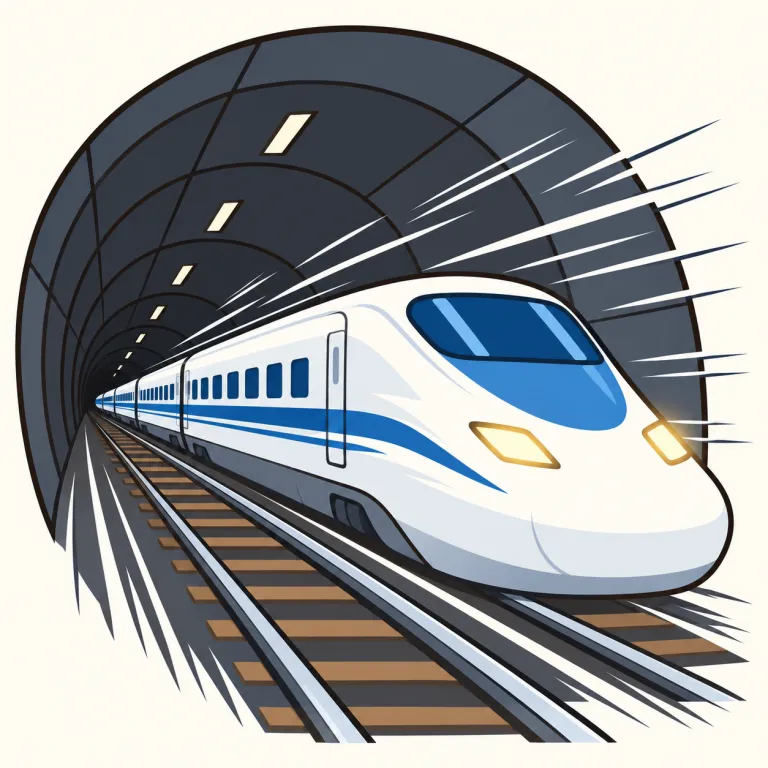
hurtle の語末の e を落として -ing を付けると hurtling。トンネルを疾走する列車や、坂を転がり落ちる車輪の勢いを思い浮かべましょう。
Drop the final e of hurtle and add -ing to form hurtling. Picture a train racing through a tunnel or a loose wheel rushing down a hill with powerful momentum.
例文
The train was hurtling through the dark tunnel.
列車は暗いトンネルを猛スピードで走り抜けていました。
A loose wheel came hurtling down the hill.
外れた車輪が丘をものすごい勢いで転がり落ちてきました。
The runners were hurtling toward the finish line in the final seconds.
最後の数秒、走者たちはゴールラインへ向かって疾走していました。
hurtling の類義語・関連語
hurtling の語源・成り立ち Etymology
中英語hurtlenから。古フランス語hurter(ぶつかる)の反復形で「繰り返し衝突する→猛スピードで突進する」と意味が変化した。語根はhurt(傷つける)と同源。関連語はhurt、hurl(投げつける)。衝突の激しさが疾走感へ転じた語。
Hurtling is the -ing form of hurtle, with the final silent e removed before the suffix is added. Hurtle developed from Middle English hurtlen, related to Old French hurter, “to strike or collide.” An earlier sense involved repeated striking or clashing, and the word later came to emphasize rushing movement likely to end in impact. It is historically related to hurt, while its resemblance to hurl also reinforces the modern idea of forceful motion.
同じレベルの語彙をもっと
外部辞書で調べる
この英単語をクイズで覚えよう