へこみ、切れ込み
noun 名詞圧力や形状によって物の表面にできたへこみ、または輪郭の縁に入り込んだ切れ込みを指す。a slight indentation や a deep indentation のように程度を伴い、文章の字下げではなく物理的な形を述べる。
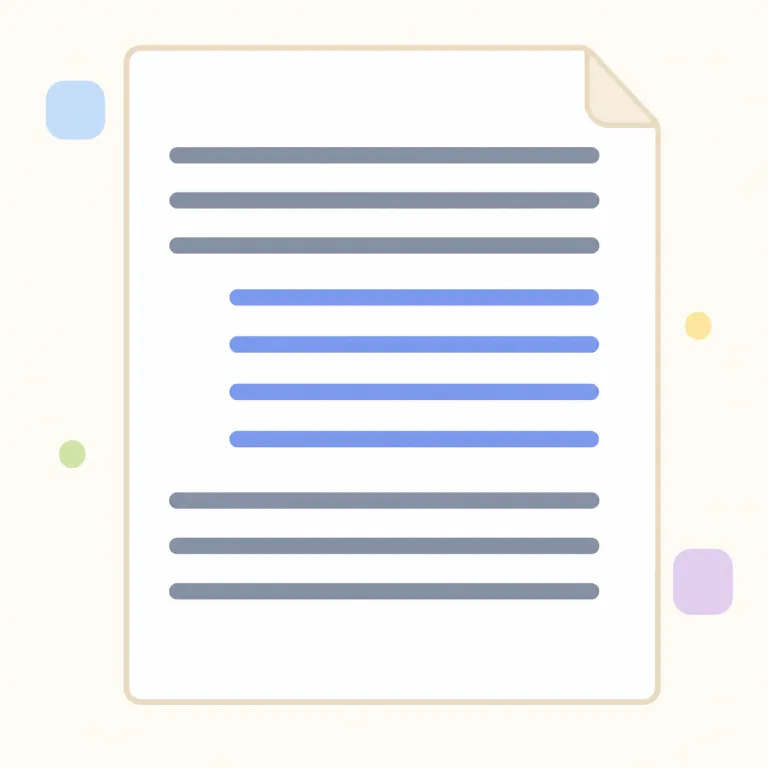
indentation はTOEIC 860・TOEFL 80・IELTS 6.5レベルの英単語で、「字下げ、インデント」という意味があります。発音記号は /ˌɪndɛnˈteɪʃən/ です。
indentation は、文書やコードで行頭を一定幅だけ内側に下げること、またその字下げ自体を指す名詞です。段落の区切りや階層、コードブロックの構造を見やすく示すために使われます。
Indentation is the space left at the beginning of a line or paragraph so that the text starts farther in from the margin. It is used in writing, printing, and computer programming to make structure easier to see. Different kinds of documents follow different indentation rules.
まず動詞 indent「字下げする」を知っておくと覚えやすく、-ation が付くと『すること・された状態』という名詞になって indentation=『字下げ・インデント』と取れます。特にコードでは indentation level, fix the indentation の形でよく出て、字下げの深さが構造そのものを示します。margin はページ全体の余白、alignment は文字位置のそろえ方なので、indentation は『行頭を一段内側に下げること』に絞って覚えると混同しにくいです。
If you know the verb `indent`, `indentation` is easier: `-ation` turns the action into a noun. Think of moving the start of a line inward, especially in code or formatted text. Common phrases like `indentation level` and `fix the indentation` help fix it in memory. It is different from `margin`, which is the outer blank space of a page.
Proper indentation of paragraphs makes text easier to read and more professional.
段落を適切に字下げすると、文章は読みやすくなり、見た目も整う。
In Python, indentation is crucial as it defines the code block structure.
Pythonでは、インデントがコードブロックの構造を決めるため非常に重要だ。
The indentation in the document clearly showed the outline hierarchy.
その文書の字下げは、アウトラインの階層をはっきり示していた。
文脈によって、次の意味でも使われます。
圧力や形状によって物の表面にできたへこみ、または輪郭の縁に入り込んだ切れ込みを指す。a slight indentation や a deep indentation のように程度を伴い、文章の字下げではなく物理的な形を述べる。
indentation は中世ラテン語 indentare「歯形を付ける」に由来し、in-「中へ」+ dent-「歯」+ -ation で成る語です。dental や dent と同根で、行頭を下げた形が「歯で刻んだようなくぼみ」だと考えると、インデントの見た目そのものです。
Indentation comes from Medieval Latin indentare, meaning "to make notches" or "to mark with teeth." It is built on dent-, meaning "tooth," which also appears in dent and dental. The meaning later widened to any inward cut or hollow, including the space set in from the margin of a line.
この英単語をクイズで覚えよう