意味一覧 (3件)
差、差額
解説 Definition
二つの数値・量・成績などの開きや隔たりを表す語。選挙結果や価格、点差、時間差などを述べるときによく使われ、単なる引き算の結果だけでなく、勝敗や優劣のわずかな隔たりにも使える。小さな差を強調する文脈では by a narrow margin の形でも現れる。
The difference between two numbers, amounts, scores, or results. It often describes how much one side wins, loses, or exceeds another, especially when the difference is small.
覚え方のコツ Memory Tip
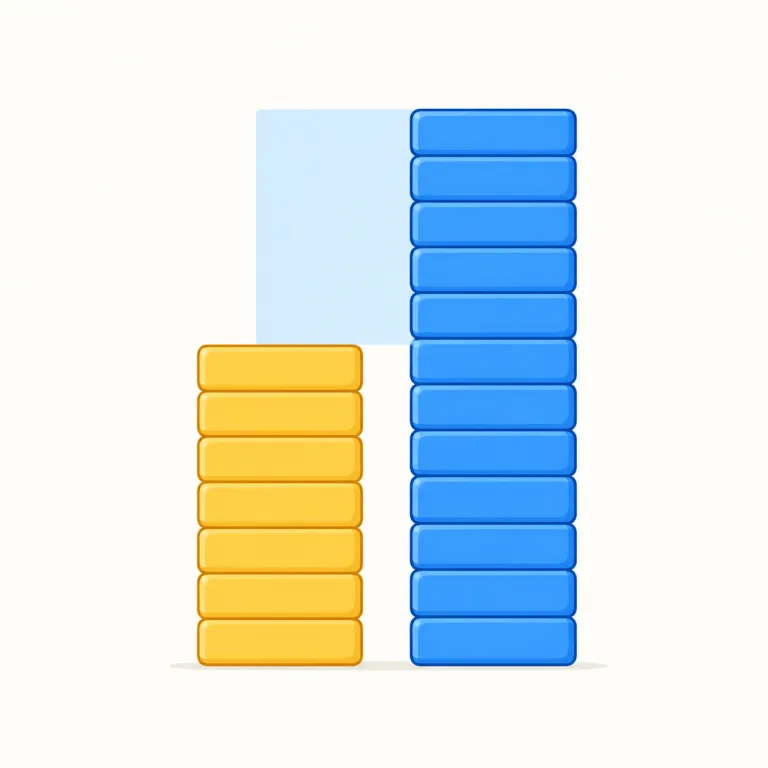
この語義の margin は、二つの数値や成績の間にある「差・幅」です。win by a narrow margin なら「僅差で勝つ」、pass by a margin of two points なら「2点差で合格する」と覚えます。数字を二本の線で表し、その線の間隔が margin だとイメージすると、点差や数値差の用法が定着しやすくなります。
Picture two lines representing scores or amounts; the space between them is the margin. Learn phrases such as “win by a narrow margin” and “by a margin of two points.”
例文
The team won by a narrow margin.
そのチームはわずかな差で勝った。
There is only a small margin between the two estimates.
その二つの見積もりにはわずかな差しかない。
He passed the exam by a margin of just two points.
彼はわずか2点差で試験に合格した。
利幅
(意味 2)
解説 Definition
商品やサービスの販売価格から原価や費用を差し引いて残る利益の幅を指す語。ビジネスでは採算性や利益率を考える際に重要で、どれだけ利益を確保できるかを示す場面でよく使われる。
Margin is the difference between the cost of something and the amount earned from selling it. It is commonly used in business to talk about profit and pricing. A higher margin means more money is left after costs are paid.
覚え方のコツ Memory Tip
margin はまず「端に残るスペース」という感覚でまとめて覚えるとぶれにくい語です。ノートの margin がページの余白なら、business では cost を引いたあとに残るのが profit margin(利幅)。つまり core を使ったあとに leftover があるイメージ。increase margins, narrow margins のように「利幅が広がる・縮む」でよく出ます。markup は上乗せ額、profit は利益そのものなので、margin はその“差・幅”に意識を置くと整理しやすいです。
In business, `margin` is the amount left between cost and selling price. Common phrases like `profit margin`, `thin margin`, and `high margin` help fix this meaning. It is not the same as `revenue`, because `margin` focuses on what is left over.
例文
The company increased its profit margin.
その会社は利幅を広げた。
Retailers operate on a thin margin.
小売業者は小さな利幅で営業している。
The margin on this product is quite high.
この製品の利幅はかなり大きい。
余白、欄外
(意味 3)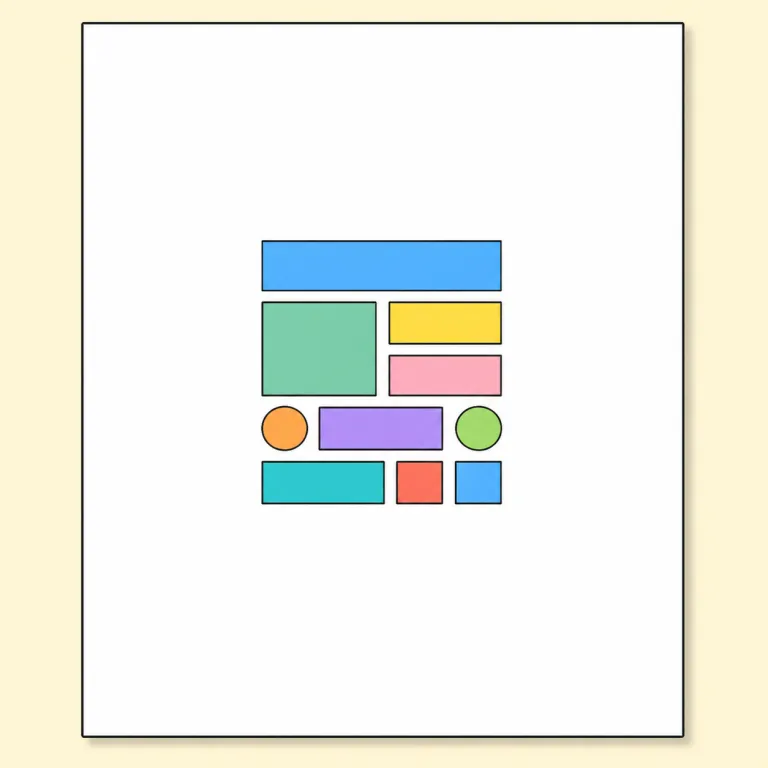
解説 Definition
本やノート、文書の本文の周囲にある書き込まれていない空き部分を指す。印刷・デザイン・レイアウトの文脈でよく使われ、ページの端に残す余白や、注記を書き込める欄外のスペースという感覚で用いられる。見やすさや裁断のために必要な部分として話題になることが多い。
The empty area between the main text and the edge of a page. It may be left blank for easier reading, printing, or handwritten notes.
覚え方のコツ Memory Tip
margin は「中心ではなく端に残した部分」が核で、この語義では本文と紙の端の間にある「余白・欄外」と覚えると定着しやすい。カタカナのページ設定「マージン」と結び付け、left margin、top margin、wide margin の形をまとめて覚える。leave a margin は「余白を残す」、write notes in the margin は「欄外にメモを書く」。文章が中央にあり、その周囲を白い枠が囲むページを一枚の図として固定すると、単なる空白 space との違いもつかみやすい。
Picture the text in the center of a page with a white border around it. Useful phrases include a wide margin, leave a margin, and write notes in the margin.
例文
Leave a wide margin on the left side of the page.
ページの左側に広い余白を残しなさい。
She wrote notes in the margin of her textbook.
彼女は教科書の欄外にメモを書いた。
The printer cut off the top margin.
プリンターで上の余白が切れてしまった。
margin の類義語・関連語
margin の語源・成り立ち Etymology
margin はラテン語 margo(語幹 margin-)「縁・境界」に由来し、フランス語を経て英語に入った語です。ページの余白も利益の差も、どちらも『端に残る部分』という発想で理解できます。同根語に marginal, marginalize があります。
Margin comes from Latin margo, with the stem margin-, meaning “edge” or “boundary,” and entered English through French. Its senses share the idea of a space or amount left at an edge.
同じレベルの語彙をもっと
外部辞書で調べる
この英単語をクイズで覚えよう