意味一覧 (2件)
無実
解説 Definition
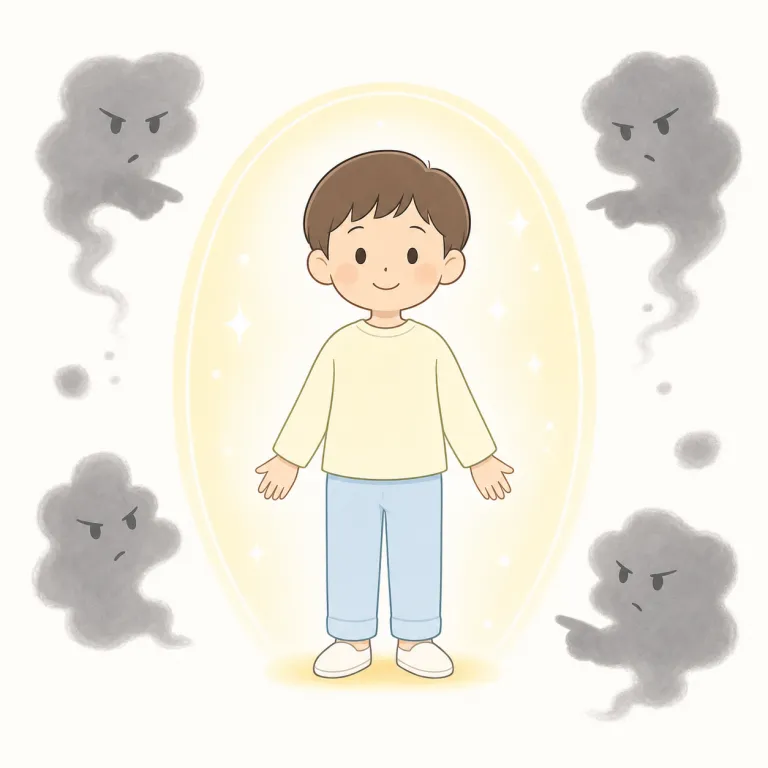
純粋で無邪気な状態、または罪がないことを表します。悪い考えや行動を持たない無垢な状態です。
Innocence is the state of not being guilty of a crime or bad action. It can also mean a lack of experience with evil, danger, or adult knowledge. In legal and serious contexts, it often refers to being completely free from blame.
覚え方のコツ Memory Tip
innocent を知っていれば、innocence は -ence が付いた「その性質・状態」の名詞だと捉えると覚えやすいです。中心イメージは「罪がない」「悪意がない」。法廷なら prove innocence, innocence or guilt の形で「無実」、日常なら childlike innocence で「子どものような無邪気さ」。ignorance は「無知」、purity は「清らかさ」寄りで、innocence はあくまで「害意や罪のなさ」が軸だと区別すると定着します。
Start from `innocent`. The ending `-ence` turns it into a noun for a state or quality, like in `difference` or `confidence`. Remember common pairs like `prove innocence` and `innocence or guilt`, and keep it separate from `ignorance`, which is about not knowing.
例文
The facts showed his innocence.
その事実から彼の無実が明らかになった。
He claimed his innocence in court.
彼は法廷で無実を主張した。
Her innocence and honesty impressed everyone.
彼女の純真さと正直さは皆を感動させた。
純真さ、無邪気さ
(意味 2)
解説 Definition
人の性格や態度に見られる、悪意や打算のない純粋さ・無邪気さを表す名詞。子どもの表情や、初恋の初々しさ、世間慣れしていない素直なふるまいについて言うことが多い。文脈によっては美徳としても、少し世間知らずだという含みでも使われる。
The quality of being open, trusting, and free from harmful intentions or selfish calculation. It often describes children or youthful feelings and can suggest either an appealing simplicity or a lack of worldly experience.
例文
Her face still had the innocence of childhood.
彼女の顔にはまだ子ども時代の無邪気さが残っていた。
The film captures the innocence of first love.
その映画は初恋の純真さを見事に捉えている。
There was an innocence in his questions that made people smile.
彼の質問には人をほほえませるような無邪気さがあった。
innocence の類義語・関連語
対義語
紛らわしい語
innocence の語源・成り立ち Etymology
innocence は古フランス語を経てラテン語 innocentia にさかのぼり、in-「〜でない」+ nocere「害する」から成ります。原義は「害を与えないこと」で、そこから「無実・潔白」へ発展。同根語に innocent, noxious があります。
Innocence came into English through Old French from Latin innocentia. It is built from in- meaning "not" and nocere meaning "to harm," so the original idea was "not harming." From that sense, it developed into the ideas of blamelessness and moral purity; related English words include innocent and noxious.
同じレベルの語彙をもっと
外部辞書で調べる
この英単語をクイズで覚えよう