lade
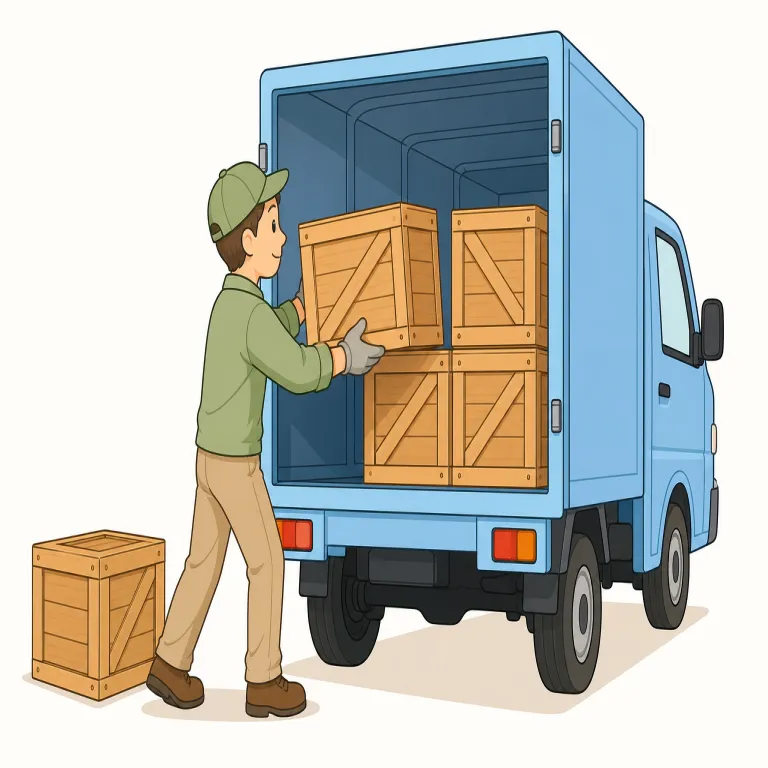
lade はTOEIC 990・TOEFL 100・IELTS 7.5レベルの英単語で、「積み込む」という意味があります。発音記号は /leɪd/ です。
積み込む
解説 Definition
船や車などに貨物を積み込むことを表す動詞です。現代英語ではあまり一般的ではなく、文学的または古風な表現として見られます。特に海運や輸送の文脈で使われ、荷を載せる、積載するという意味を持ちます。
To lade means to load a ship, vehicle, or container with cargo or supplies. It is a formal or old-fashioned word and is not common in everyday conversation. In modern English, load is usually used instead.
覚え方のコツ Memory Tip
まず日常語の load「積む」を軸に置くと覚えやすいです。lade はその“古風で文語寄りの積む”で、特に ship, boat, wagon に cargo を載せる場面と結びつけると定着します。関連形の laden は今でも比較的見かけやすく、be laden with baggage や snow-laden branches のように「〜を重そうに載せた」感覚でつながります。普段の英語では load が普通で、lade は文学・海運の匂いがある語。つづりが似た ladle「ひしゃく」とは別語なので、荷を積む絵で固定すると混同しにくいです。
Link it to the common word `load`. `Lade` is an older, more literary way to say load, especially for putting cargo onto ships, boats, or wagons. It also connects well with `laden`, which is still common in phrases like `snow-laden branches`. Keep the picture of heavy cargo in mind, and do not confuse it with `ladle`.
例文
Workers lade the ship with cargo before dawn.
作業員たちは夜明け前に船へ貨物を積み込む。
The barge was laden with timber.
そのはしけには木材が積み込まれていた。
In older texts, merchants lade vessels with spices and cloth.
古い文献では、商人たちが船に香辛料や布を積み込む。
lade の類義語・関連語
類義語
紛らわしい語
lade の語源・成り立ち Etymology
lade は古英語 hladan「積む・くみ上げる」に由来し、さらにゲルマン祖語へさかのぼる古い語です。もとは荷や水をどさっと載せたり汲み上げたりする感覚の語で、そこから船に積み荷をする意味が残りました。関連語は laden, ladle。
Lade comes from Old English hladan, meaning "to load" or "to draw out," and it goes back to an old Germanic root. The word once referred broadly to heaping up or scooping up a load, whether goods or water. From that older physical sense, it remained especially in uses about loading ships or drawing liquid, and it is related to laden and ladle.
同じレベルの語彙をもっと
TOEIC 990の一覧へ →外部辞書で調べる
この英単語をクイズで覚えよう