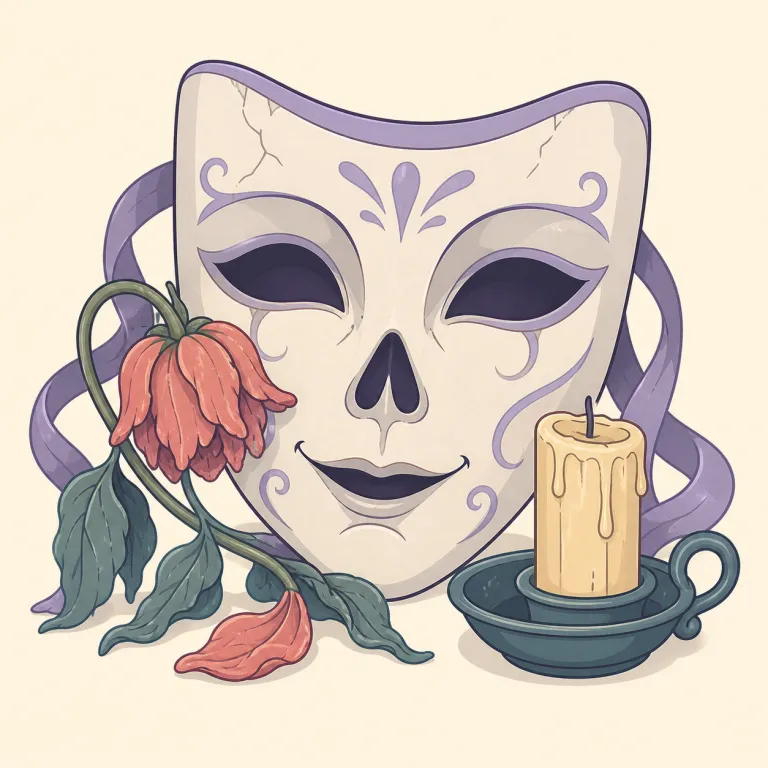
macabre
macabre は英検1級レベルの英単語で、「不気味な」という意味があります。発音記号は /məˈkɑːbrə/ です。
不気味な
解説 Definition
不気味なとは、何か怖い、奇妙で不安を感じさせる、または暗い雰囲気を持つことを意味します。背筋がぞくぞくするような感じです。
Macabre describes something that is disturbing because it is strongly connected with death, violence, or horror. It is often used for stories, images, or humor that feel dark and creepy rather than simply scary.
覚え方のコツ Memory Tip
macabre は creepy や scary よりも、death・blood・funeral のような「死を連想させる不気味さ」に寄る語。単に怖いのでなく、ぞっとするほど陰惨でグロテスクな場面を思い浮かべると定着しやすい。よく macabre humor, a macabre scene, macabre details の形で出て、「悪趣味なくらい死の気配がある」というニュアンスを覚える。
Notice the harsh ending in `macabre` and link it with dark words often around it: `macabre humor`, `macabre scene`, `macabre details`. This word is not just "scary" in a general way. It usually points to something that feels close to death, blood, or funerals.
例文
The mansion's walls displayed macabre paintings of death and decay.
その屋敷の壁には、死と腐敗を描いた不気味な絵が飾られていました。
The horror movie featured macabre scenes of death and decay.
そのホラー映画には、死と腐敗を描いた不気味な場面がありました。
The artist's macabre paintings of skulls and corpses unsettle viewers.
その芸術家が描く頭蓋骨や遺体の不気味な絵は、見る人を不安にさせます。
macabre の類義語・関連語
macabre の語源・成り立ち Etymology
macabre はフランス語 danse macabre「死の舞踏」で広まり、語源は中世ラテン語 Machabaeorum に結ぶ説が有力です。分解しにくい語ですが、Maccabee や Maccabean と結びつけると、死や殉教の物語から「不気味な」の感触が見えてきます。
Macabre entered English through French, especially from the phrase danse macabre, "dance of death." Its deeper origin is uncertain, but many scholars connect it to medieval Latin Machabaeorum, linked to the Maccabees and stories of death and martyrdom. Over time, the idea of death-filled scenes shifted into the wider sense of something grim and disturbingly eerie.
同じレベルの語彙をもっと
英検1級の一覧へ →外部辞書で調べる
この英単語をクイズで覚えよう