前
解説 Definition
日本語の「前」に由来し、英語では主に武道や日本文化の説明で前方や前への方向を表す語です。mae geri「前蹴り」など、ローマ字表記の用語の一部によく現れます。
A Japanese term meaning the front, the area ahead, or a forward direction, used in English mainly in discussions of Japanese martial arts and culture. It often appears within romanized names for techniques or culturally specific concepts.
使い方 Usage
- 武道の技名や日本文化の概念など、日本語の用語をローマ字で残して説明する文脈で使われます。 It appears in contexts that retain romanized Japanese terminology, such as martial arts techniques or Japanese cultural concepts.
覚え方のコツ Memory Tip
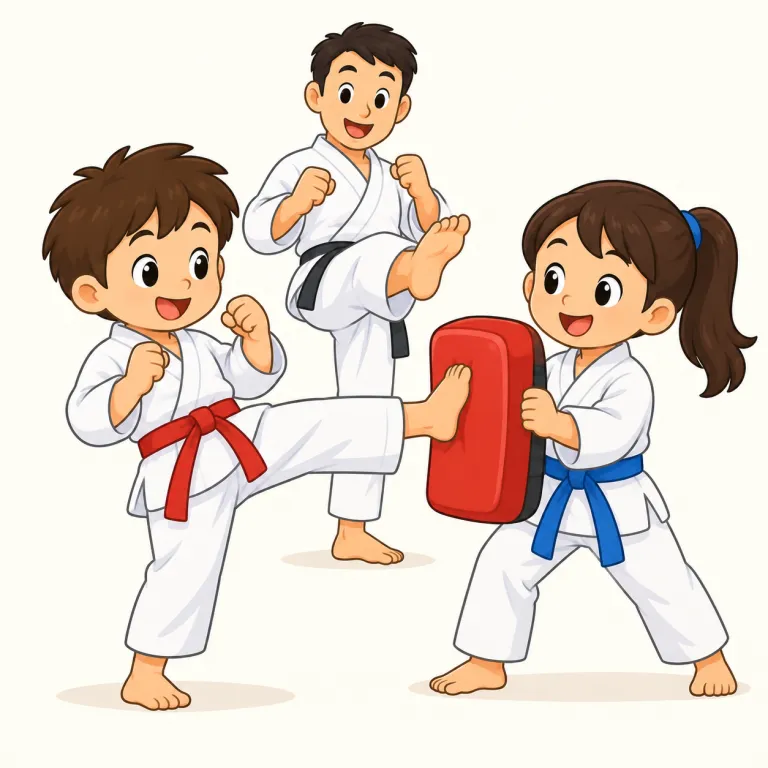
日本語の「前(まえ)」をそのままローマ字にした mae と覚えます。mae geri「前蹴り」から、体の前方や前へ向かう動きを連想しましょう。
Connect mae directly with Japanese 前, meaning front. Picture mae geri, a front kick, to remember the space ahead of the body or movement directed forward.
例文
The instructor explained that mae means “front” in mae geri.
指導者は、mae geri の mae が「前」を意味すると説明しました。
The students practiced mae geri, a front kick.
生徒たちは前蹴りである mae geri を練習しました。
mae の類義語・関連語
mae の語源・成り立ち Etymology
mae は英語本来の語ではなく、日本語の 前(まえ)から入った借用語です。日本語で「前・前方・以前」を表す基本語で、英語では武道や日本文化の文脈で「前面」「前へ」の意味で使われます。関連する語に maegeri、temae があり、どちらも mae の「前」の感覚を含みます。
English mae is a direct romanization and borrowing of Japanese 前, pronounced mae and meaning “front,” “ahead,” or “before,” depending on context. It is not a native English word and remains largely restricted to descriptions of Japanese culture and martial arts. The same element occurs in romanized compounds such as mae geri, a front kick, and temae, a term whose meanings depend on its Japanese cultural context.
同じレベルの語彙をもっと
外部辞書で調べる
この英単語をクイズで覚えよう