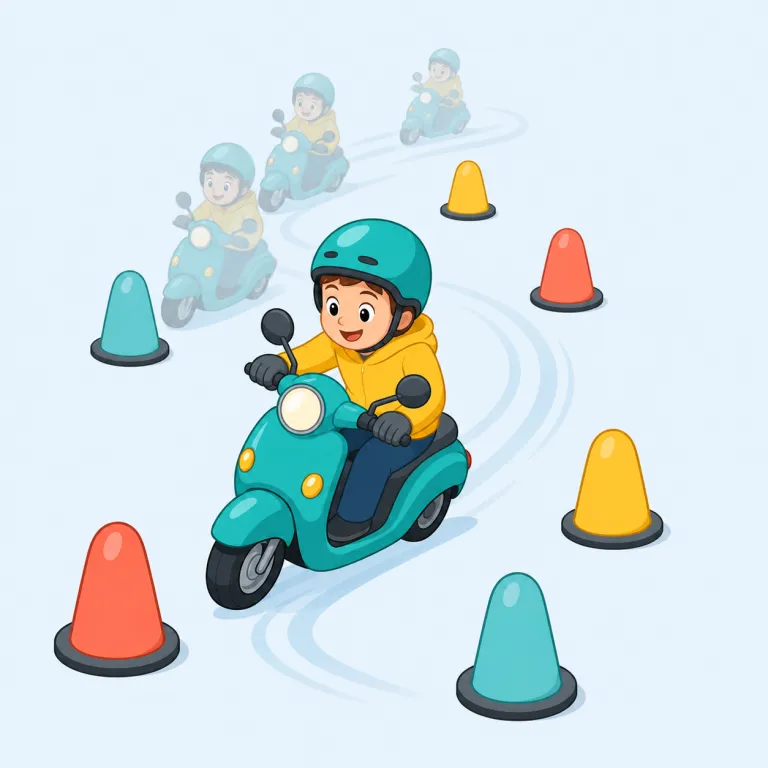
maneuverability
maneuverability はTOEIC 990・TOEFL 100・IELTS 7.5レベルの英単語で、「操縦性」という意味があります。発音記号は /məˌnuːvərəˈbɪləti/ です。
操縦性
解説 Definition
航空機や車両などが操作しやすい性質のこと。動作に対する反応性や制御のしやすさを表す。
Maneuverability is the ability of a vehicle, machine, or object to move and change direction easily. It is often discussed for cars, aircraft, ships, and equipment in narrow or difficult spaces. Higher maneuverability means better control in movement.
覚え方のコツ Memory Tip
まず maneuver を知っていると覚えやすい語です。maneuver は「うまく動かす・巧みに取り回す」、-ability は「〜できる性質」。合わせて「うまく取り回せる度合い」= 操縦性。車・航空機では high maneuverability の形で出やすく、speed が速さ、stability が安定性なのに対し、maneuverability は「曲がる・避ける・反応する」しやすさを指します。長い語ですが、maneuver + ability に切って読むと意味が崩れません。
This long word becomes easier if you split it into `maneuver` + `ability`. `Ability` means the power to do something, so think of it as "the ability to maneuver well." In cars or aircraft, connect it with turning, avoiding, and quick response, not just speed.
例文
The small aircraft has excellent maneuverability.
その小型機は優れた操縦性を持っている。
Modern fighter jets are known for their superior maneuverability.
現代の戦闘機は優れた操縦性で知られている。
The sports car's maneuverability impressed all the drivers.
そのスポーツカーの操縦性はすべてのドライバーを感心させた。
maneuverability の類義語・関連語
派生語
maneuverability の語源・成り立ち Etymology
maneuver はフランス語 manoeuvre を経てラテン語 manus「手」+ opera「仕事」にさかのぼり、-ability は「〜できること」です。manual や operate と同根で、maneuverability は「手際よく扱える度合い」から操縦性を表します。
Maneuverability comes from maneuver and the suffix -ability, meaning "the quality of being able to." Maneuver came through French from roots linked to Latin manus, "hand," and opera, "work," so the early sense was about handling or managing by hand. In English, the idea widened from skilled handling to the ease with which something can be guided or controlled. Related words include manual and operate.
同じレベルの語彙をもっと
TOEIC 990の一覧へ →外部辞書で調べる
この英単語をクイズで覚えよう