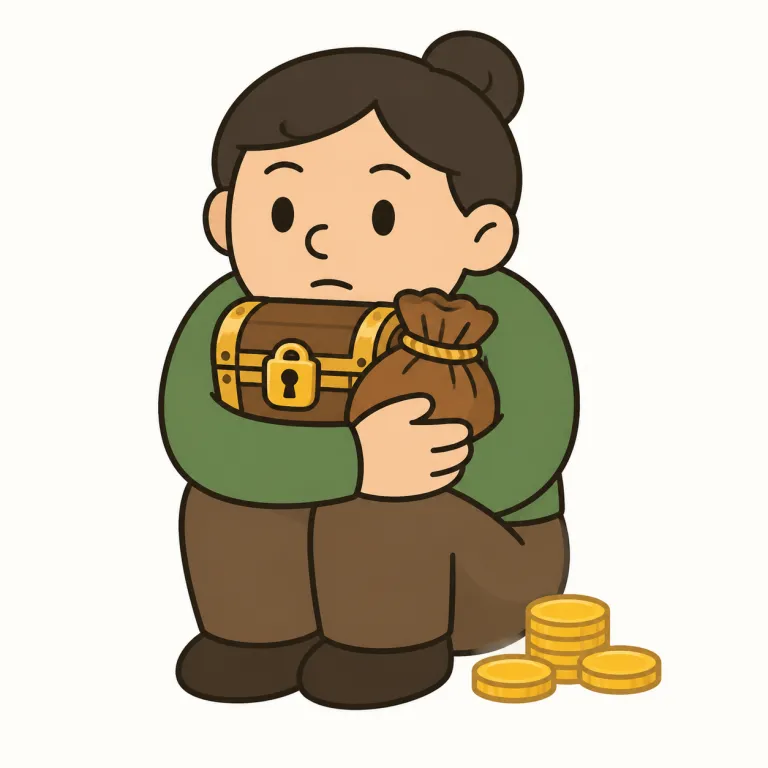
miser
miser は英検1級・TOEIC 990・TOEFL 100・IELTS 7.5レベルの英単語で、「守銭奴」という意味があります。発音記号は /ˈmaɪzɚ/ です。
守銭奴
解説 Definition
守銭奴とは、お金や財産を過度に愛し、他人のためにお金を使うことを極端に嫌う人。吝嗇家。
A miser is a person who is extremely unwilling to spend money. The word suggests more than being careful or saving money; it describes someone who is very stingy. It is usually a negative word.
覚え方のコツ Memory Tip
miser は「お金を出し渋る人」と場面で覚えると残りやすいです。save money のような健全な節約家ではなく、必要な場面でも払いたがらない極端さがあるのがポイント。cheap は物や人に「けちだ」と言えますが、miser はその性質を持つ“人そのもの”を指す名詞です。a miser, old miser の形で見たら、金はため込むのに人間関係は貧しくなる人物像を思い浮かべると定着しやすいです。misery / miserable も近くに置くと、暗く窮屈な印象まで一緒に記憶できます。
Remember `miser` as a person word, not just the idea of being cheap. A `miser` is more extreme than someone who simply saves money carefully. The image is someone who hates spending even when spending is necessary. It also sounds close to `misery` and `miserable`, which can help you remember its cold, unpleasant feeling.
例文
He earned the reputation of a miser by refusing to spend any money.
彼は一切お金を使おうとしなかったため、守銭奴だと評判になりました。
The old miser lived in poverty despite his wealth.
その年老いた守銭奴は、裕福なのに貧しい暮らしをしていました。
A miser counts every penny and rarely helps others financially.
守銭奴はわずかなお金にも細かく、金銭面で人を助けることはめったにありません。
miser の類義語・関連語
miser の語源・成り立ち Etymology
miserはラテン語miser「惨めな・不幸な」がフランス語を経て名詞化した語で、細かな接辞分解はありません。miseryやmiserableも同根で、金をため込む人が「みじめな人」と重なって守銭奴の意味になった流れが見えてきます。
Miser came through French from Latin miser, meaning "wretched," "unhappy," or "pitiful." At first the word was about a miserable person rather than money. Over time it narrowed to someone whose relation to money made him seem wretched or pitiable; misery and miserable are close relatives.
同じレベルの語彙をもっと
英検1級の一覧へ →外部辞書で調べる
この英単語をクイズで覚えよう