神経毒性
解説 Definition
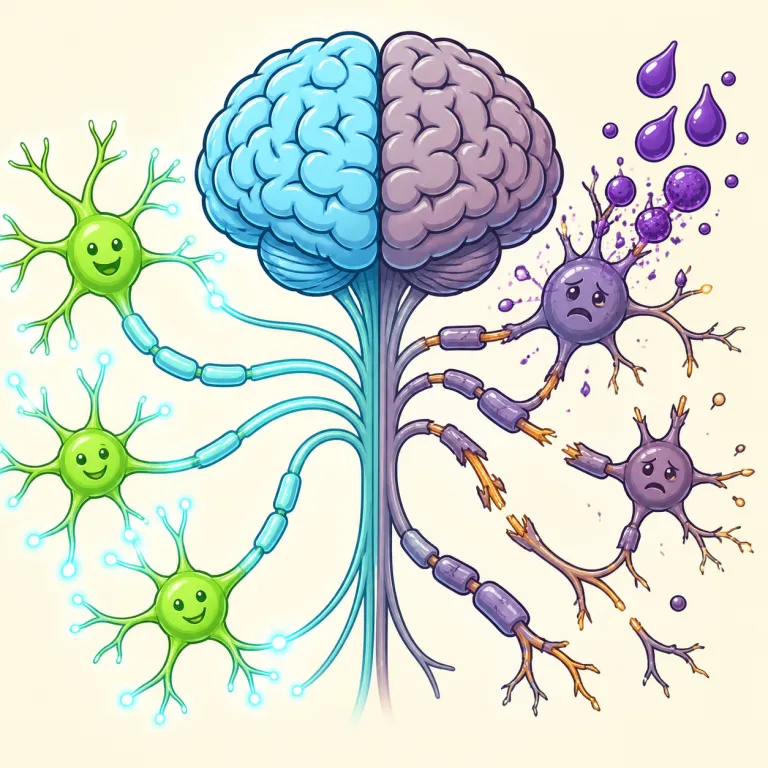
神経系に対する毒性作用のこと。有害物質が脳や神経細胞に対して引き起こす化学的損傷や機能障害を指す。医学や毒性学の重要な研究分野である。
Neurotoxicity means damage or harmful effects on the nervous system caused by a substance, treatment, or chemical exposure. It is used in medicine, biology, and toxicology to talk about risks to the brain, nerves, or spinal cord. The word can describe both the harmful effect itself and the quality of being toxic to nerves.
覚え方のコツ Memory Tip
neuro + toxic + ity と三つに切ると覚えやすいです。neuro は neurology / neuron の「神経」、toxic は toxin の「毒」、-ity は「性質」。つまり「ただ毒がある」ではなく「神経に毒性が出ること」。toxicity 単独は一般的な毒性ですが、neurotoxicity は標的が神経系に限定されるのが重要です。hepatotoxicity(肝毒性)などと同じく、前半が“どこを傷つけるか”を示す型だと押さえると、専門語でもまとめて記憶できます。
Cut it into `neuro + toxic + ity`. `Neuro-` tells you the target is the nerves, `toxic` gives the poison idea, and `-ity` turns it into a noun. This pattern is useful because many medical words work the same way: the front part tells you what part of the body is harmed.
例文
The neurotoxicity of mercury compounds poses significant health risks.
水銀化合物の神経毒性は重大な健康リスクをもたらす。
Researchers are studying the neurotoxicity of pesticides on developing brains.
研究者たちは農薬が発達中の脳に与える神経毒性を研究している。
The neurotoxicity assessment is crucial before approving new pharmaceuticals.
新薬承認前の神経毒性評価は極めて重要である。
neurotoxicity の類義語・関連語
neurotoxicity の語源・成り立ち Etymology
neuro- はギリシャ語 neuron「神経」、toxic はギリシャ語 toxikon「毒」、-ity は性質を表します。neurology や toxin と同根で、「神経に対する毒の性質」と分かれば、単に毒性ではなく神経を傷つける毒性だと見えてきます。
This word is made from `neuro-` from Greek `neuron` meaning "nerve," `toxic` from Greek `toxikon` meaning "poison," and `-ity` for a quality or condition. Its literal sense is "the quality of being poisonous to nerves." Related words include `neurology`, `neural`, and `toxin`.
同じレベルの語彙をもっと
外部辞書で調べる
この英単語をクイズで覚えよう