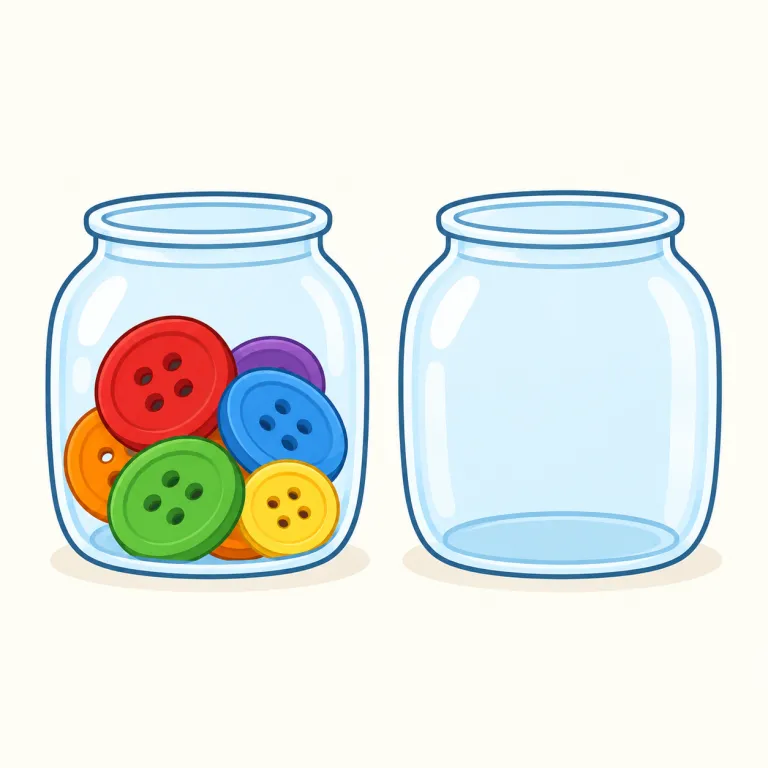
空ではない
解説 Definition
空ではないこと。数学や情報科学では、少なくとも1つ以上の要素や値を含む状態を指す。
Nonempty means not empty and containing at least one thing, item, or value. It is often used in mathematics, logic, and computing to describe a set, list, field, or space that has some content. This is a technical word rather than an everyday one.
覚え方のコツ Memory Tip
non- は「〜でない」、empty は「空」とまず機械的に分解すると覚えやすい語です。意味は「満杯」ではなく、「ゼロではない・少なくとも1つある」。この差を押さえるのが重要です。数学やプログラミングで nonempty set, nonempty string の形を見たら、「空集合ではない」「空文字列ではない」とそのまま取れます。nonstop, nonzero などの non- 語と並べて覚えると定着しやすく、full と同じ意味だと雑に覚えないのがコツです。
This one is easy to unlock by form: `non-` + `empty`. The key memory point is that it does not mean `full`; it only means `not empty`. In math or programming, connect it with phrases like `nonempty set` or `nonempty string`.
例文
A nonempty set contains at least one element.
空でない集合は少なくとも1つの要素を含む。
We need to check if the collection is nonempty before processing.
処理を進める前に、そのコレクションが空ではないことを確認する必要がある。
Every nonempty list has at least one item.
空ではないリストは必ず1つ以上のアイテムを持っている。
nonempty の類義語・関連語
nonempty の語源・成り立ち Etymology
nonemptyはラテン語由来の否定接頭辞non-「…でない」+ emptyから成る語です。emptyは古英語æmettigにさかのぼり、原義は「暇な・中身が入っていない」なので、nonemptyは“空ではなく、何かが入っている”と素直に読めます。関連語はempty、emptinessです。
Nonempty is formed from non- "not" and empty. Empty comes from Old English aemettig, which originally had the sense of being idle or unoccupied, and from there came to mean "having nothing inside." So nonempty developed naturally as "not empty," with the idea that something is present. Related words include empty and emptiness.
同じレベルの語彙をもっと
外部辞書で調べる
この英単語をクイズで覚えよう