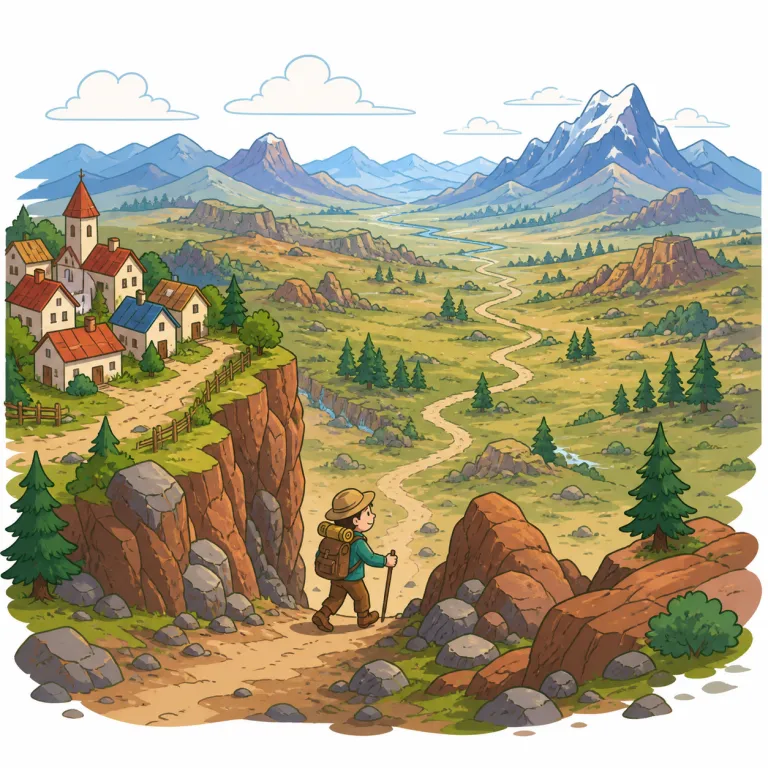
辺境の地
解説 Definition
辺境の地、外国の領土、または文明から遠く離れた遠い土地。特に開拓者の時代に未知の地域を指すことが多い。
Outland means a distant, remote, or foreign area, especially one far from the center of society. It can suggest a place that feels separate, unfamiliar, or on the edge of a country. The word is uncommon and somewhat literary.
覚え方のコツ Memory Tip
out + land と見えるので、「中心の土地の外側にある land」と捉えると覚えやすいです。homeland, mainland, inland など land 系の語が地域を表す感覚を持っていれば、outland は『自分たちの世界の外にある土地』へ自然につながります。日常会話より、開拓時代・歴史物・ファンタジーで the outlands のように出やすい語です。outlandish(異様な)と形が近いので並べて覚えると定着しますが、outland 自体は『変な』ではなく『辺境・外地』が中心です。
Split it into `out` + `land`: land that is outside the center. That makes it easier to remember as an old-fashioned word for remote or frontier areas. Do not mix it up with `outlandish`, which moved toward the idea of something strange or unusual.
例文
The settlers moved to the outlands to escape civilization.
入植者たちは文明から逃れるために辺境へ移った。
The outlands were difficult to reach in ancient times.
古代には辺境の地へ行くのは困難だった。
Stories of adventures in the outlands fascinated the villagers.
辺境での冒険の話は村人たちを魅了した。
outland の類義語・関連語
outland の語源・成り立ち Etymology
outland は古英語系の out「外の」+land「土地」で、直訳は「外の土地」。そこから「自分たちの土地の外」つまり異国・辺境を指すようになり、意味の芯が見える。関連語は outlaw、landscape。
Outland is made from out and land, with roots in Old English. Its literal sense was "land outside" or "outer land." From there it came to mean a foreign or distant place, especially land beyond one's own region.
同じレベルの語彙をもっと
外部辞書で調べる
この英単語をクイズで覚えよう