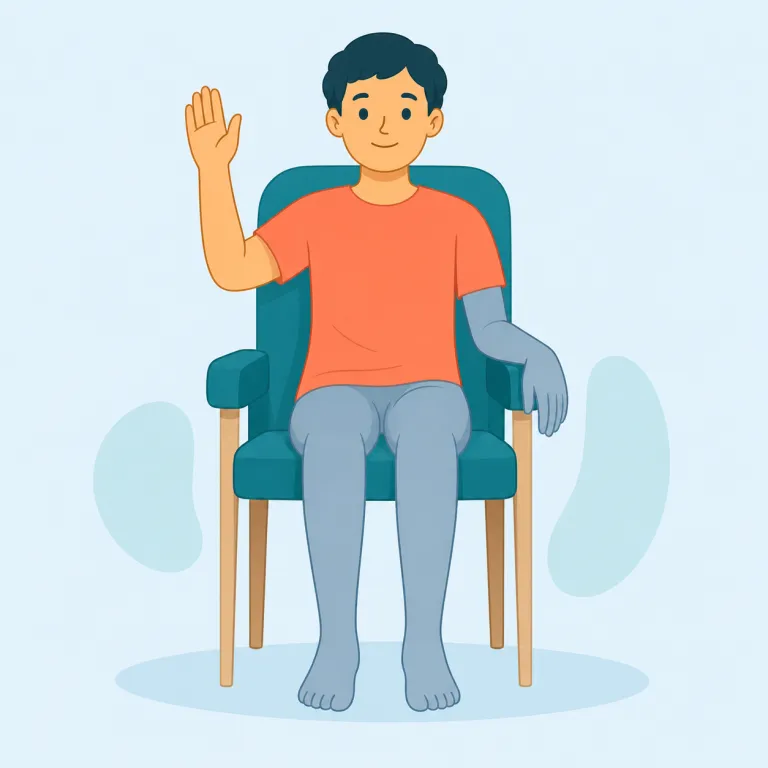
泥酔した
adjective 形容詞英国のくだけた表現で、人がひどく酒に酔って体をまともに動かせない状態を表す。主に be paralytic や get paralytic の形で使われ、単なる drunk より酩酊の程度が非常に強いことを示す。
麻痺によって体の一部が動かなくなった状態にあること、または麻痺を引き起こす性質があることを表す形容詞です。医療の文脈で神経や筋肉、症状、毒などについて述べる際によく使われ、麻痺に関わる状態や作用を示します。
Paralytic describes something related to paralysis or something that causes a loss of movement. It is used in medical contexts to describe diseases, conditions, or substances. It can also describe a state where movement becomes impossible or very limited.
paralyze(麻痺させる)や paralysis(麻痺)を知っていれば、その形容詞の仲間だと捉えるのが近道です。語尾 -ic は「〜に関する」を作る形なので、paralytic は「麻痺に関する」「麻痺を起こす」。人が麻痺した状態にも、病気・毒・症状が麻痺を引き起こす性質にも使えます。paralyzed が「麻痺してしまった状態」の描写なのに対し、paralytic はより医学的で、paralytic symptoms, paralytic disease のように名詞を説明する語として覚えると定着しやすいです。
Connect it with `paralyze` and `paralysis`. The ending `-ic` often makes an adjective, so `paralytic` means related to paralysis or causing it. It sounds more medical than `paralyzed`, and often describes things like `paralytic symptoms` or `paralytic disease`.
The toxin has a paralytic effect on small animals.
その毒素は小動物に麻痺を起こす作用がある。
He was diagnosed with a paralytic disorder affecting his legs.
彼は脚に影響を及ぼす麻痺性疾患と診断された。
The bite caused paralytic symptoms within a few hours.
そのかみ傷は数時間以内に麻痺症状を引き起こした。
文脈によって、次の意味でも使われます。
英国のくだけた表現で、人がひどく酒に酔って体をまともに動かせない状態を表す。主に be paralytic や get paralytic の形で使われ、単なる drunk より酩酊の程度が非常に強いことを示す。
paralyticはギリシャ語paralytikosに由来し、ラテン語・古フランス語を経て英語へ入った語です。para-「わきに・異常に」とlyein「ゆるめる」から成り、「力がゆるんで動けない」がそのまま「麻痺した」へつながります。関連語はparalysis、paralyze。
Paralytic comes from Greek paralytikos, passing through Latin and French before entering English. It is related to para- and lyein, meaning "to loosen." The original sense was of something loosened so much that it could not function properly, which developed into the idea of paralysis; related words include paralysis and paralyze.
この英単語をクイズで覚えよう