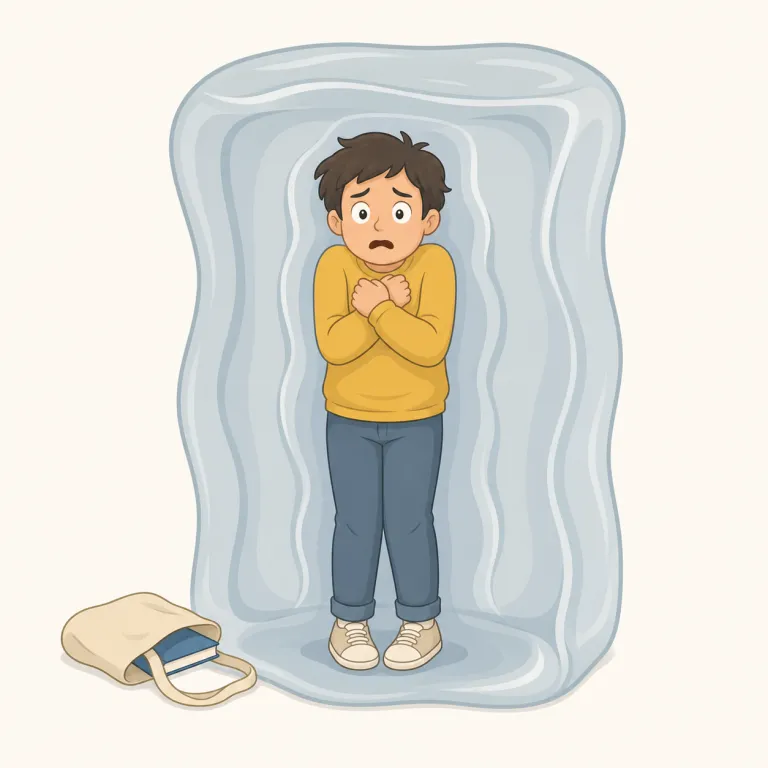
麻痺させるような
解説 Definition
恐怖や衝撃、深い不安、けがなどが人の体や心の動きを奪うほど強いさまを表す形容詞。実際に麻痺を引き起こす場合にも、比喩的に身動きできない、言葉が出ないほど圧倒される状態にも使われる。
Paralysing describes something so strong or severe that it stops movement, action, or normal response. It can refer to a physical effect, or more often to fear, shock, or anxiety that makes someone unable to act. The word is common in both medical and emotional contexts.
覚え方のコツ Memory Tip
paralyse(麻痺させる)に -ing が付いた形で、「人や感情をそうさせる側」の形容詞。paralysis(麻痺)を知っていれば形がつながる。fear, shock, pain など強すぎるものが人を動けなくする場面で使われ、paralysing fear は「怖くて固まる」感じ。numb が感覚の鈍さ寄りなのに対し、paralysing は体も判断も止まるほどの強さ。英式は paralysing、米式は paralyzing。
This comes from `paralyse`, with `-ing` showing something that causes the effect. Connect it with `paralysis`, so the word family stays together in memory. A common phrase is `paralysing fear`, where fear is so strong that you cannot move or think clearly.
例文
The fear was paralysing and prevented her from moving.
その恐怖は麻痺させるほど強く、彼女は動けなくなった。
The accident left him with a paralysing spinal injury.
その事故で彼は麻痺を引き起こす脊髄損傷を負った。
The paralysing anxiety kept him from speaking.
身動きできなくなるような不安のせいで、彼は話せなかった。
paralysing の類義語・関連語
paralysing の語源・成り立ち Etymology
paralysing は paralyse の現在分詞で、フランス語 paralyser、ラテン語 paralysis を経て、ギリシャ語 para-「脇に」+ lyein「ゆるめる」にさかのぼります。lysis や dialysis と同じ語根で、「ほどけて動けない」が核になり、麻痺させる意味になりました。
Paralysing comes from paralyse, through French and Latin from Greek paralysis. Its Greek parts are para- meaning "beside" and lyein meaning "to loosen," a root also seen in lysis and dialysis. The basic image is of something being loosened so much that movement stops.
同じレベルの語彙をもっと
外部辞書で調べる
この英単語をクイズで覚えよう