まだらの
解説 Definition
複数の色がまだらに入り交じった様子を表す形容詞で、特に白と別の色の模様に使います。鳥や動物のほか、服や物の色合いにも使われます。
Having patches of two or more different colors, especially black and white. The adjective is commonly used to describe the patterned feathers, fur, skin, or appearance of birds, animals, clothing, and other visible objects.
使い方 Usage
使い分け Common distinctions
- striped は線状のしま模様、pied は異なる色が斑状に分かれた模様を表します。piebald も近い意味の語です。 Striped describes a pattern of lines; pied describes patches of different colors. Piebald has a similar meaning.
覚え方のコツ Memory Tip
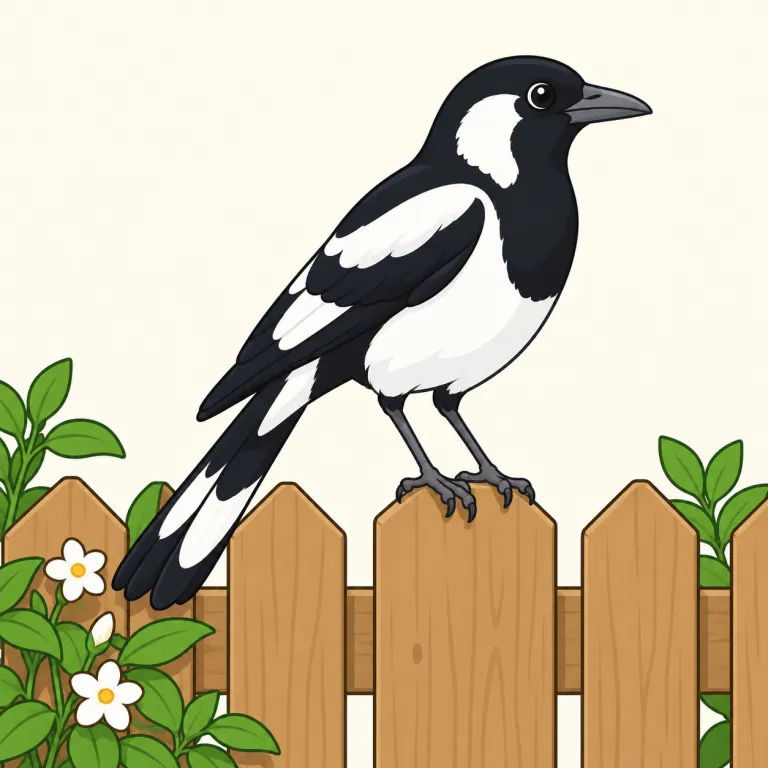
pie はカササギを表す古い語。これに -ed が付いた pied を、カササギの白黒のまだら模様と結び付けて覚えましょう。
Pie is an old word for the magpie. Connect pied, formed with -ed, with the magpie’s contrasting patches of black and white.
例文
A pied bird landed on the fence near the garden.
まだら模様の鳥が庭の近くの柵にとまりました。
The child pointed at the pied horse in the field.
その子どもは野原にいるまだらの馬を指さしました。
pied の類義語・関連語
pied の語源・成り立ち Etymology
pied は古フランス語 pie「カササギ」に由来し、さらにラテン語 pica にさかのぼる。pie + -ed で“カササギのような白黒まだらの”が原義なので、そこから一般に「まだらの」を表す形容詞になった。関連語は magpie、piebald。
Pied developed from pie, an older name for the magpie, plus the adjective-forming ending -ed. Pie entered English through Old French and ultimately goes back to Latin pica, “magpie.” Because the bird was associated with strongly contrasting plumage, pied first conveyed the idea of being colored like a magpie and later broadened to describe objects or animals marked with patches of different colors.
同じレベルの語彙をもっと
外部辞書で調べる
この英単語をクイズで覚えよう