強欲で冷酷な人
noun 名詞他人の弱みにつけ込み、利益を得ようとする攻撃的で容赦のない人を比喩的に指します。特に金融や商取引などの競争的な場面で使われるくだけた否定的表現で、魚そのものを指す用法とは区別されます。
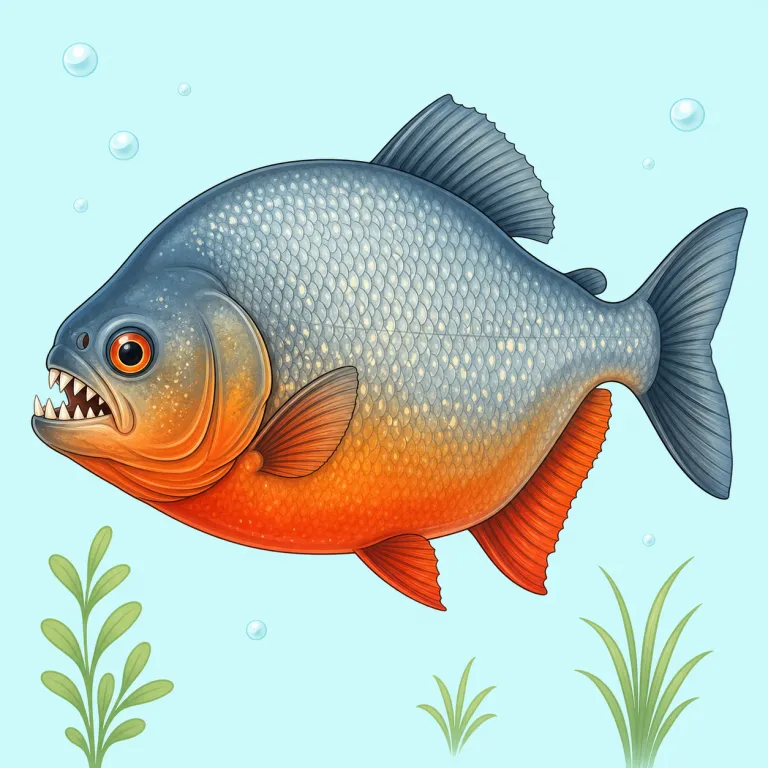
南米の川や湖に生息する淡水魚の総称です。鋭い歯で知られますが、食性は種によって異なり、雑食性のものも多くいます。
A piranha is a kind of freshwater fish from South America with very sharp teeth. It is often mentioned in contexts about rivers, wildlife, and dangerous animals. The word usually refers to the fish itself, not a metaphorical meaning.
piranha は「南米の淡水魚」と「鋭い歯」を結びつけて覚えるとよい。海にすむ大型魚ではなく、主に川や湖にすむ魚を思い浮かべる。食べるものや行動は種によって異なるため、「すべてが凶暴な肉食魚」と決めつけず、sharp teeth と South American freshwater fish を手がかりにすると定着しやすい。
Remember `piranha` as the opposite image of a big sea predator like a shark. A piranha is small, lives in rivers, and is linked with sharp teeth and moving in groups. Keep the picture together: small but dangerous, South American rivers, and a school of piranhas.
Piranhas are freshwater fish native to South America.
ピラニアは南米原産の淡水魚です。
A piranha has sharp teeth that it uses for biting.
ピラニアには、物をかむための鋭い歯があります。
The diet of a piranha varies by species and may include fish, insects, and plants.
ピラニアの食性は種によって異なり、魚や昆虫、植物を食べることがあります。
文脈によって、次の意味でも使われます。
他人の弱みにつけ込み、利益を得ようとする攻撃的で容赦のない人を比喩的に指します。特に金融や商取引などの競争的な場面で使われるくだけた否定的表現で、魚そのものを指す用法とは区別されます。
piranha はポルトガル語経由でトゥピ語 pira「魚」+ anha「歯」に由来し、文字どおり「歯のある魚」です。piraya や pirarucu と同じく pira を含む語で、名の中にすでに鋭い歯への畏れが刻まれていると分かります。
Piranha came into English through Portuguese from Tupi, an Indigenous language of Brazil. It is usually explained as pira, meaning "fish," plus anha, meaning "tooth." The name originally meant something like "toothed fish," and it kept that strong image as it entered European languages. Other fish names such as piraya and pirarucu share the Tupi element pira.
この英単語をクイズで覚えよう