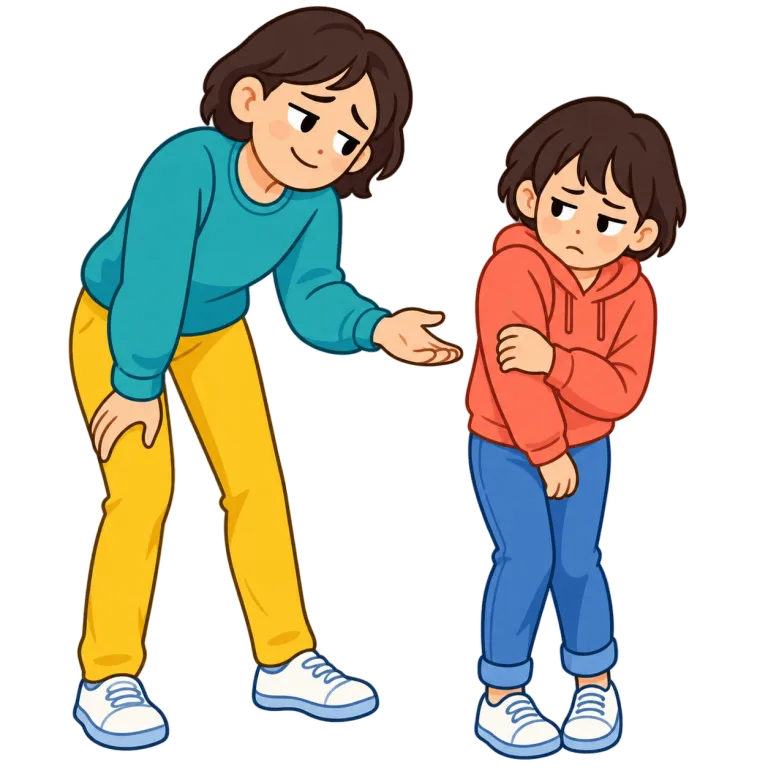
哀れむような、同情的な
解説 Definition
相手をかわいそうだと思って向ける視線や態度、表情などを表す形容詞。思いやりを含む場合もあるが、上から見て哀れむような響きを帯びやすく、受け手には不快さや屈辱として伝わることもある。
Pitying describes a feeling or expression that shows sorrow for someone else's suffering or weakness. It can sound kind and sympathetic, but it may also suggest looking down on someone. The word is often used for looks, tones, or attitudes.
覚え方のコツ Memory Tip
まず基礎語 pity「かわいそうに思う」を押さえると、pitying はその感情が表情や視線ににじんだ形だと捉えやすいです。-ing なので「哀れんでいる側の感じ」が前に出る形容詞で、a pitying look / smile / tone のように人の反応と結びつきやすい語。sympathetic が「共感的」、compassionate が「思いやり深い」なのに対し、pitying は上から気の毒がる響きが出やすいのが違いです。pitiful「哀れを誘う」と取り違えず、「相手そのもの」ではなく「向けるまなざしや態度」を描く語として覚えると定着します。
Start from the simple word `pity`. The `-ing` form helps show an active feeling coming from someone, so `pitying` often describes a look, smile, or tone. That makes it easy to remember as the attitude of the person who feels pity. Keep it apart from `pitiful`, which describes the person or thing that causes pity.
例文
She cast a pitying glance at the boy standing alone.
彼女は一人で立っている少年に哀れむような視線を向けた。
He hated the pitying smiles people gave him after the accident.
彼は事故の後、人々が自分に向ける同情的な笑みを嫌った。
There was a pitying tone in her voice when she asked if he needed help.
彼に助けが必要かと尋ねたとき、彼女の声には哀れむような響きがあった。
pitying の類義語・関連語
派生語
紛らわしい語
pitying の語源・成り立ち Etymology
pity は古フランス語 pité を経てラテン語 pietas に由来し、本来は「敬虔さ・務めを尽くす心」に近い語でした。piety や pious も同根で、相手を気の毒に思う気持ちに道徳的なやさしさが残っています。
Pitying comes from pity, which entered English through Old French pité from Latin pietas. In Latin, pietas meant duty, devotion, or moral care, not just sorrow for someone. That older sense still shows in related words like piety and pious, and helps explain how pity came to mean compassionate feeling for another person.
同じレベルの語彙をもっと
外部辞書で調べる
この英単語をクイズで覚えよう