pity
pity は英検2級レベルの英単語で、「哀れみ、残念なこと、気の毒に思う」という意味があります。発音記号は /ˈpɪti/ です。
意味一覧 (3件)
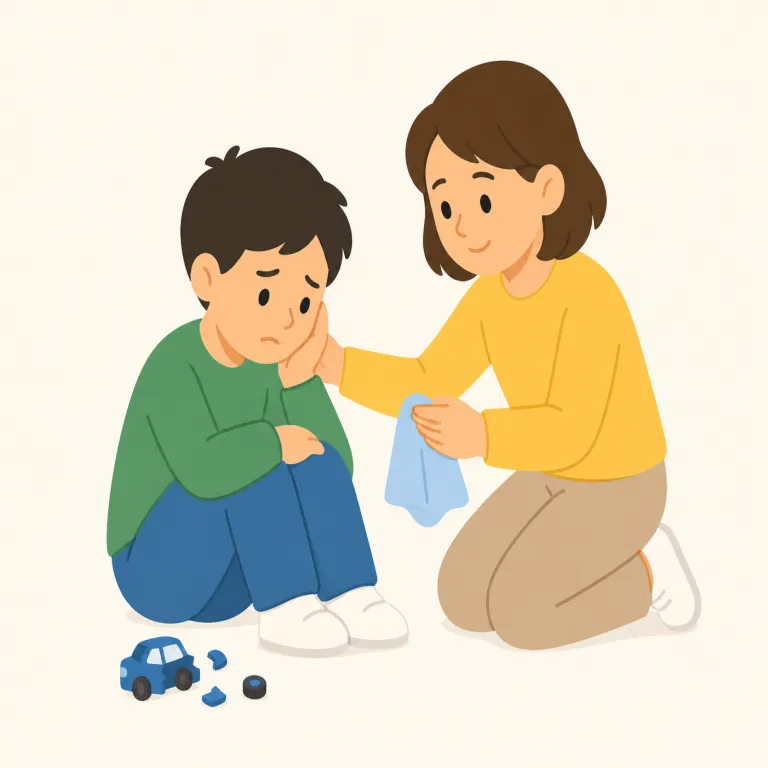
哀れみ
解説 Definition
苦しんでいる人や弱い立場のものを見て抱く、かわいそうだと思う気持ちを表す名詞です。文脈によっては、相手を自分より不幸な立場に置いて見るような距離感を伴います。
Pity is a feeling of sorrow or compassion for a person or creature that is suffering or in an unfortunate position. It can sometimes suggest emotional distance or a sense that the other party is worse off.
覚え方のコツ Memory Tip
pity は、苦しむ人や弱いものを見て「かわいそうだ」と感じる哀れみです。feel pity for ~ で「〜を哀れに思う」となり、けがをした鳥などに向ける気持ちを表せます。相手を自分より不幸な立場に置いて見る響きもあるため、respect とは対照的に扱われることがあります。
Remember the pattern "feel pity for ...". Unlike empathy, which emphasizes sharing another person's feelings, pity can sound like viewing someone from the outside and thinking that they are unfortunate.
例文
She felt pity for the injured bird.
彼女はけがをした鳥に哀れみを感じた。
I don't want your pity; I want your respect.
私はあなたの哀れみではなく、敬意がほしい。
The old man's story filled us with pity.
その老人の話を聞いて、私たちは哀れみを覚えた。
えいたんごクイズでの正答率
この語をはじめて出題された 32人 のうち 27人 が正解しました(84%)。
えいたんごクイズの回答から集計した独自データです。1人につき最初に出題されたときの1回だけを数えており、復習や2回目以降の回答、「わからない」と時間切れは含みません。 集計時点は 2026年9月19日 です。
残念なこと
(意味 2)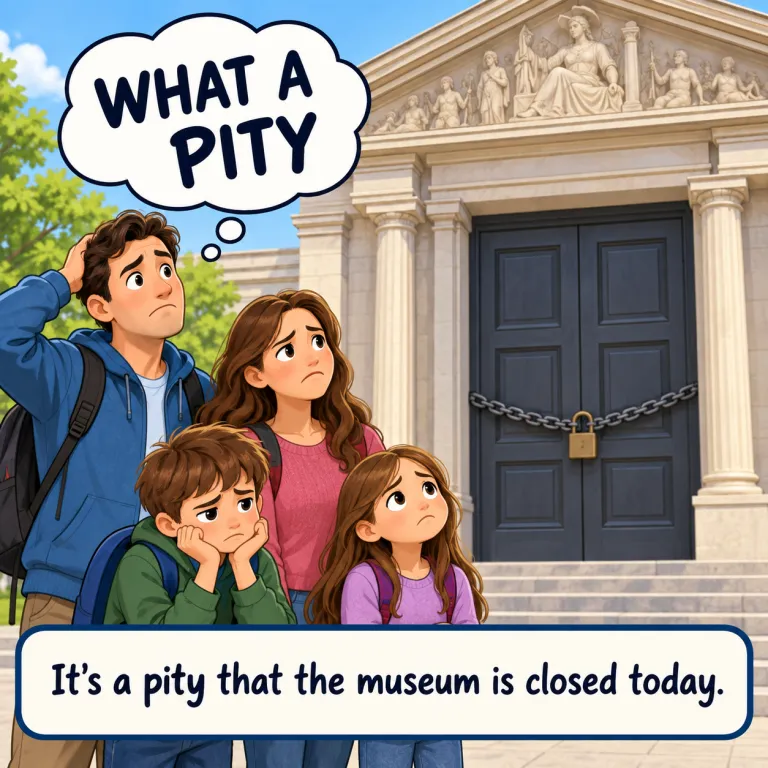
解説 Definition
出来事や状況が期待どおりにならず、残念または惜しいと評価する名詞です。It is a pity that ...、What a pity!、a pity to ... などの構文でよく使われ、人に対する「哀れみ」とは区別されます。
A pity is an unfortunate or disappointing fact, event, or situation. This sense commonly appears in constructions such as "It's a pity that ...", "What a pity!", and "a pity to ...".
覚え方のコツ Memory Tip
It’s a pity that ... を「…なのは残念だ」というひとかたまりで覚えましょう。この pity は人への哀れみではなく、望ましくない状況への評価です。
Learn "It's a pity that ..." as a complete pattern meaning that a situation is regrettable. Here, pity evaluates an outcome; it does not name compassion for a suffering person.
例文
It's a pity that the museum is closed today.
今日その美術館が閉まっているのは残念だ。
What a pity you can't join us for dinner!
あなたが夕食に参加できないとは残念だ。
It would be a pity to waste all this food.
この食べ物を全部無駄にするのは惜しいことだ。
気の毒に思う
(意味 3)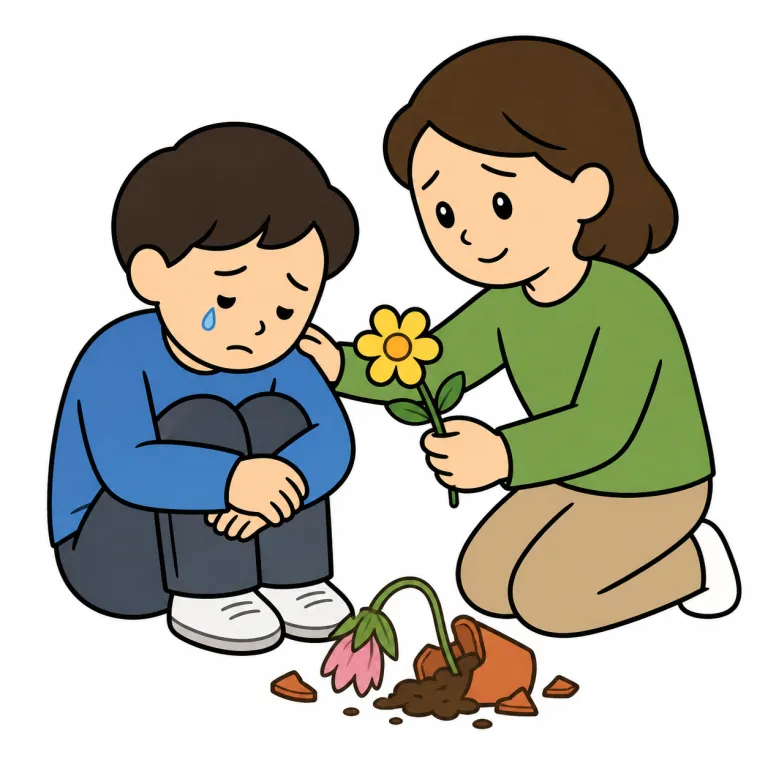
解説 Definition
人の不幸・苦境・つらい立場を見て、かわいそうだと感じることを表す動詞です。上から見下す響きを含むこともあるため、文脈によっては単なる共感より少し距離のある同情として使われます。
To feel sorry for someone because they are suffering or in an unfortunate situation. It can suggest looking down on the person rather than sharing their feelings as an equal.
覚え方のコツ Memory Tip
pity は動詞では「相手をかわいそうだと思う、気の毒に思う」と覚えるのが中心です。I pity him. なら「彼を気の毒に思う」、Don't pity me. なら「私を哀れまないで」という感じ。似た語の sympathy は「同情」、empathy は「相手の気持ちに入り込んで共感」、pity は少し距離を置いて「かわいそうだ」と見る響きがあります。名詞では It’s a pity that ...「〜なのは残念だ」の形もありますが、動詞の pity は人や立場を目的語に取りやすいです。
Remember I pity him as a direct way to say that you feel sorry for someone. Don't pity me shows why this feeling may be unwelcome: the other person may feel you are looking down on them.
例文
I pity my friend because he always eats lunch alone.
私は、いつも一人で昼食を食べる友達を気の毒に思う。
She pitied the injured dog and took it home.
彼女はけがをした犬を気の毒に思い、家に連れて帰った。
Don't pity him just because he failed once.
一度失敗しただけで彼を気の毒に思わないで。
pity の類義語・関連語
pity の語源・成り立ち Etymology
pity は古フランス語 pité を経てラテン語 pietas にさかのぼります。pietas は務めを果たす心や献身を表し、そこから他者を思いやる気持ちを表す語義へ発展しました。
Pity came through Old French pité from Latin pietas, a word associated with dutifulness and devotion. Its meaning developed toward compassionate sorrow for another person's suffering.
同じレベルの語彙をもっと
英検2級の一覧へ →外部辞書で調べる
この英単語をクイズで覚えよう