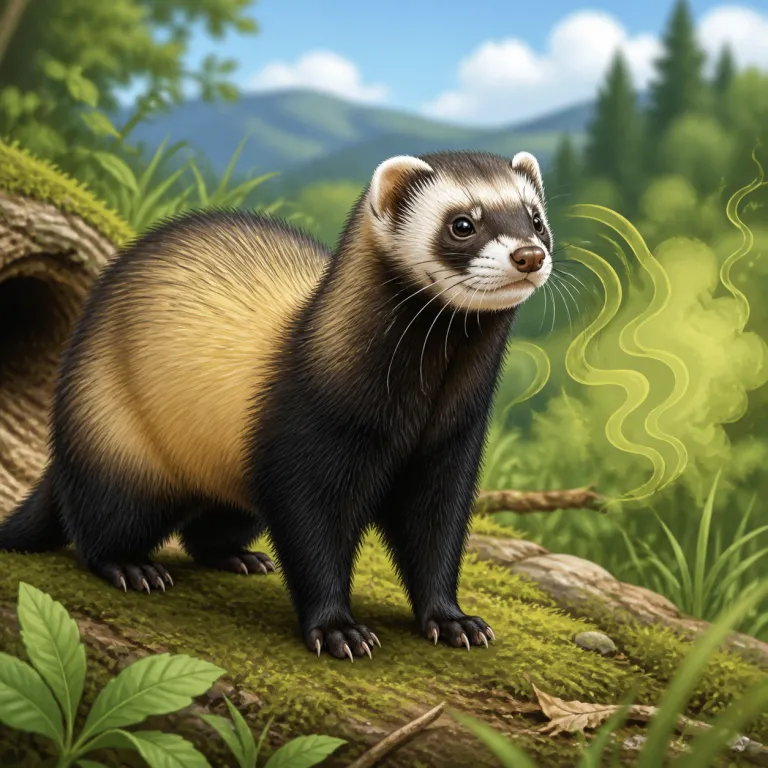
スカンク
noun 名詞主に北米英語で、強い臭いの液を噴射するスカンクを指す日常的な呼び名として使われる。厳密な動物分類上のケナガイタチとは別の動物だが、悪臭を放つ性質から同じ語で呼ばれている。
イタチ科の小型の肉食動物。強い悪臭を放つことで知られており、自衛の手段として用いられる。ヨーロッパやアジアに分布。
A polecat is a small wild animal related to weasels. It has a long body and is known for its strong smell. The word is usually used in biology or when talking about wild animals.
cat が見えるので「ネコ系?」と引っぱられやすいが、覚える軸は cat ではなく ferret や weasel と同じ細長い肉食獣の仲間、という点。さらに polecat は strong smell / bad smell を連想しておくと定着しやすい。動物名の -cat は必ずしも猫そのものを指さない、とまとめておくと混乱しにくい。pole はここでは意味推測の助けになりにくいので深追いせず、polecat で「悪臭を出すイタチ科の獣」という一まとまりで覚える。
Do not let the -cat part fool you. Remember polecat with ferret and weasel: long, thin hunting animals, not house cats. It is also often linked with a strong bad smell, so keep that smell image with the word.
The polecat is known for its distinctive odor.
ケナガイタチはその独特の臭いで知られている。
A polecat was spotted near the barn last night.
昨夜、納屋の近くでケナガイタチが目撃された。
Polecats are skilled hunters despite their small size.
ケナガイタチは小型ながら狩りが得意だ。
文脈によって、次の意味でも使われます。
主に北米英語で、強い臭いの液を噴射するスカンクを指す日常的な呼び名として使われる。厳密な動物分類上のケナガイタチとは別の動物だが、悪臭を放つ性質から同じ語で呼ばれている。
polecat は見た目ほど pole『棒』とは無関係で、中英語で『鶏』を表した語と cat が結びついた語です。もとは古フランス語 poul、さらにラテン語 pullus『ひな』にさかのぼり、『鶏を襲うネコのような獣』と捉えると意味が腑に落ちます。poultry や pullet が同じ根です。
Polecat does not come from pole "stick." The first part goes back to a Middle English word for "chicken," from Old French poul, from Latin pullus, meaning a young bird or chick. The animal was understood as a cat-like creature that attacked poultry, and that image shaped the modern word. Related words from the same root include poultry and pullet.
この英単語をクイズで覚えよう