磁器のように白くなめらかな
adjective 形容詞肌や顔色が磁器のように白く、なめらかで繊細に見えることを表す。主に porcelain skin や porcelain complexion の形で使われ、素材が磁器でできているのではなく、外見をたとえる表現である。
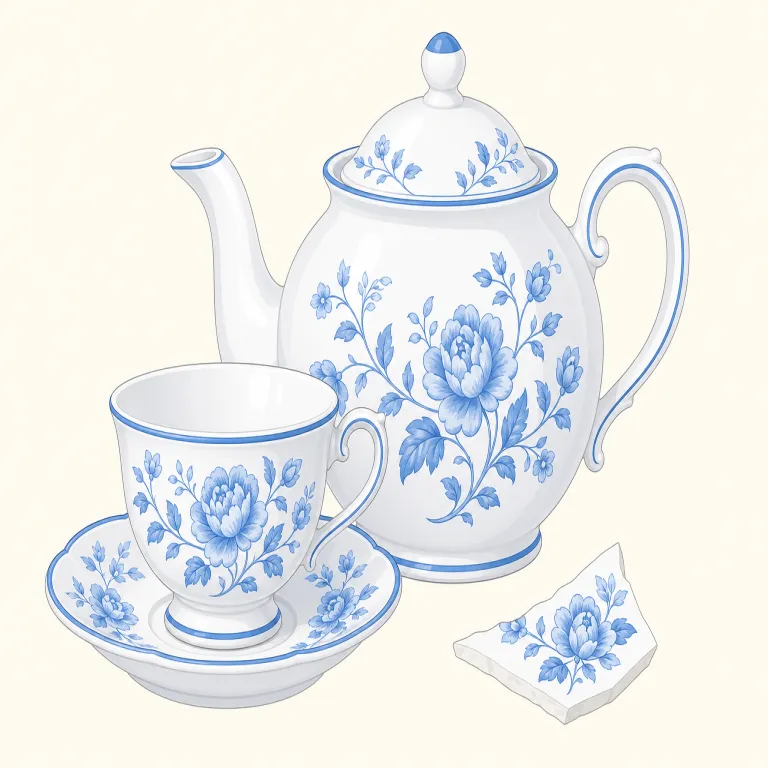
porcelain は英検2級レベルの英単語で、「磁器」という意味があります。発音記号は /ˈpɔːrsələn/ です。
陶磁器の一種で、白く硬い素材のことです。磁土を高温で焼いて作られ、食器や装飾品、電気絶縁体など幅広い用途に使われます。
Porcelain is a hard, smooth, high-quality ceramic material, often white, used to make cups, plates, and decorative objects. It is valued for its fine appearance and delicate but strong finish.
ceramic(陶器全般)より細く限定された語で、「白く、なめらかで、薄いのに硬い、高級感のある焼き物」をまず映像で結びつけると覚えやすいです。porcelain cup / plate のように上質な食器でよく見かけ、porcelain skin なら「磁器のように白くつやのある肌」。pottery が素朴な土もの、ceramic が広い総称、その中でも特に精製度が高く繊細なのが porcelain、と位置づけると混同しにくくなります。
Connect it with a clear image: smooth, white, fine cups or plates. That picture helps separate it from broader words like `ceramic` or more rustic `pottery`. The phrase `porcelain skin` is also memorable because it keeps the same smooth, pale image.
The antique porcelain plates are worth a lot of money.
その骨董品の磁器皿は非常に高価です。
People use porcelain for dishes because it is strong and beautiful.
磁器は丈夫で美しいので、食器に使われます。
She collects fine porcelain from around the world.
彼女は世界中の高級磁器を収集しています。
文脈によって、次の意味でも使われます。
肌や顔色が磁器のように白く、なめらかで繊細に見えることを表す。主に porcelain skin や porcelain complexion の形で使われ、素材が磁器でできているのではなく、外見をたとえる表現である。
porcelain はフランス語 porcelaine を経てイタリア語 porcellana に由来し、さらにラテン語 porcus「豚」にさかのぼります。porc- は porcine や pork と同根。もとは光沢ある貝の名で、そのつやに似た焼き物へ転じたと知ると、磁器の名の由来が腑に落ちます。
Porcelain came into English through French porcelaine from Italian porcellana. That Italian word is linked to Latin porcus, "pig," the same root seen in pork and porcine. It first named a smooth, shiny shell, and later the name was transferred to fine ceramic because its glossy surface looked similar.
この英単語をクイズで覚えよう