
pounce
pounce は英検1級レベルの英単語で、「飛びかかる、(獲物などに)飛びかかる、機に乗じる」という意味があります。発音記号は /paʊns/ です。
意味一覧 (2件)
飛びかかる
解説 Definition
獲物に素早く飛びかかって捕らえる動作です。動物だけでなく、チャンスや弱点を見つけて急に行動するときにも使います。勢いよく襲いかかるさまを表します。
To pounce means to jump on something or someone suddenly and quickly. It is often used for animals attacking prey, but it can also describe a person acting immediately when they see a chance. The word suggests speed, force, and surprise.
覚え方のコツ Memory Tip
まず cat や tiger が獲物に一気に飛びかかる場面で固定すると覚えやすいです。単なる jump や leap ではなく、狙いを定めて急に襲う感じが pounce。attack よりも「機を見て瞬時にかかる」ニュアンスが強い語です。特に pounce on ... で「...に飛びつく」「好機や失敗にすぐ食いつく」が頻出。The media pounced on the mistake. のように、弱点や失言を見つけて即座に攻める比喩にも広がります。bounce とつづりが少し似て紛らわしいですが、pounce は on と結びつけて覚えると定着します。
Picture a cat waiting and then suddenly jumping on its target. `Pounce` is not just `jump` but a quick, targeted attack at the right moment. It is very common as `pounce on`, both for animals and for people who quickly attack a mistake or opportunity.
例文
The cat waited patiently before it finally pounced on the toy mouse.
猫はじっと待ってからついにおもちゃのネズミに飛びかかった。
Investors pounced on the opportunity as soon as the stock price dropped.
株価が下落すると、投資家たちはすぐにそのチャンスに飛びついた。
The coach told the players to pounce on any loose balls during practice.
コーチは選手たちに、練習中はこぼれ球にすぐ飛びつくよう指示した。
(獲物などに)飛びかかる、機に乗じる
(意味 2)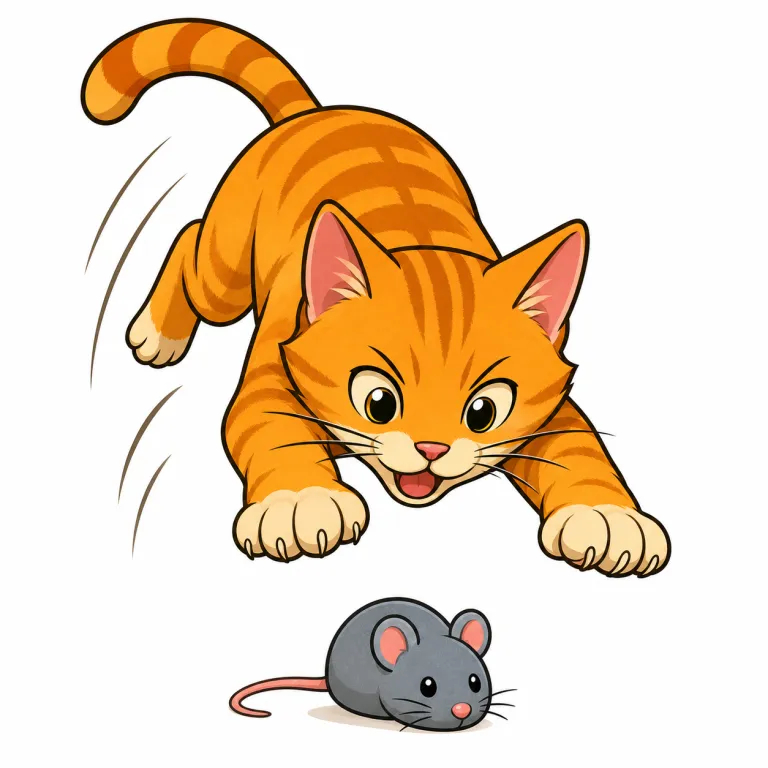
解説 Definition
pounce は、猫や猛禽類などが獲物に向かって急に飛びかかることを表す動詞です。比喩的には、好機や相手の弱みを見逃さず、すばやく利用するという意味でも使われ、突然の行動や素早い反応を強く感じさせます。
To pounce means to jump on someone or something very quickly and suddenly, often like an animal attacking its prey. It is also used for taking action immediately when you see a good chance to do something. The word suggests speed, force, and perfect timing.
覚え方のコツ Memory Tip
bounce がただ「跳ねる」なら、pounce は「狙いを定めて一気に跳ぶ」と覚えると残りやすいです。猫が物陰でじっとしてから prey に飛びかかる場面を思い浮かべるとよいです。単なる jump よりも、突然さ・獲物や好機を逃さない感じが強い語です。pounce on prey, pounce on the opportunity, pounce on a mistake のように on と非常によく結びつき、「見つけた瞬間に食いつく」感覚でまとめると使い分けしやすくなります。
Think of a cat that waits, then suddenly jumps. `Pounce` is stronger than `jump` or `bounce` because it has a target and happens fast. It often goes with `on`: `pounce on prey`, `pounce on an opportunity`, `pounce on a mistake`.
例文
The cat pounced on the mouse when it saw it run across the floor.
猫はネズミが床を横切って走るのを見ると、すぐに飛びかかった。
He was quick to pounce on any opportunity to make money.
彼はお金を稼げる機会があれば、すぐにそれを利用した。
The predator waited patiently before it was ready to pounce on its prey.
その捕食者は獲物に飛びかかる準備が整うまで、じっと辛抱強く待っていた。
pounce の類義語・関連語
pounce の語源・成り立ち Etymology
英語 pounce はアングロ・フランス語 pounce(鳥のかぎ爪)を経て、ラテン語 pungere(刺す)に連なる語です。もとは爪で突きかかる感じなので「飛びかかる」になりました。関連語は puncture, pungent。
"Pounce" came through Anglo-French "pounce," which referred to a bird's claw or talon. It is related to the Latin verb "pungere," meaning "to prick" or "to stab." The meaning shifted from striking with claws to the more general idea of suddenly springing on something; related words include "puncture" and "pungent."
同じレベルの語彙をもっと
英検1級の一覧へ →外部辞書で調べる
この英単語をクイズで覚えよう