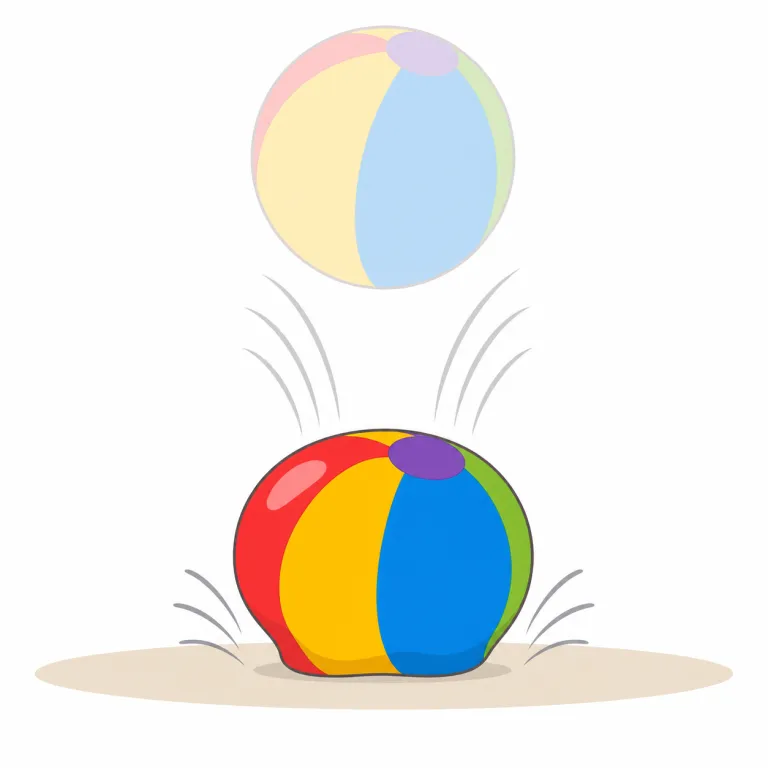
bounce
bounce は英検準1級レベルの英単語で、「跳ねる、(小切手などが)不渡りになる」という意味があります。発音記号は /ˈbaʊns/ です。
意味一覧 (2件)
跳ねる
解説 Definition
ボールなどが床や壁に当たって弾む、または上下にぽんぽん動くことを表します。必ず元の方向へ戻るとは限らず、反発して別の方向へ動く場合にも使います。bounce a ball のように、物をついて弾ませる意味でも使われます。
To bounce means to hit a surface and move away from it, often repeatedly. It is commonly used for balls and other objects, but it can also describe quick, light movement. The word often suggests energy and a spring-like motion.
覚え方のコツ Memory Tip
bounce は、ボールなどが床や壁に当たり、反発して「ぽんと跳ねる」動きです。バスケットボールを床につく音と上下運動を思い浮かべ、The ball bounced on the floor と一緒に覚えると定着しやすいでしょう。自動詞では the ball bounced「ボールが跳ねた」、他動詞では bounce a ball「ボールをついて弾ませる」と使えます。bounce back は「当たって跳ね返る」が基本で、壁や鏡に当たって別方向へ戻る場面にぴったりです。jump が自分の力で跳ぶ動作なのに対し、bounce は衝突と反発が鍵だと押さえましょう。
If `jump` is moving up by yourself, `bounce` is hitting something and coming back. A ball bounces on the floor, and light bounces off a wall. `Bounce back` is also easy to remember because the idea of coming back stays the same.
例文
The ball bounced back from the wall quickly.
ボールは壁から素早く跳ね返った。
Light rays bounce back when hitting a mirror.
光線は鏡に当たると跳ね返る。
The rubber ball bounced back to the thrower.
ゴムボールは投げた人に跳ね返った。
(小切手などが)不渡りになる
(意味 2)
解説 Definition
主に小切手や自動引き落としなどの支払いが、口座残高の不足や処理上の理由で決済されず、銀行に拒否されることを指す。特に小切手については「不渡りになる」という意味で使われ、手数料の発生や信用低下につながることがある。
If a check or similar payment bounces, the bank refuses it because there is not enough money in the account. This verb is used in financial contexts. It can also be used more generally for a payment that fails.
覚え方のコツ Memory Tip
まず基本の bounce=「弾む・跳ね返る」を思い出すと覚えやすいです。支払いの文脈では、お金や小切手が前に進まず、銀行で「跳ね返されて戻る」感覚で理解するとよいです。a check bounced, the payment bounced の形でよく出ます。clear/go through が「正常に決済される」側なら、bounce はその逆。物理的にボールが跳ねる意味との切り替えに注意しつつ、「銀行で戻された支払い」という場面で結びつけると定着します。
In finance, remember the chunk a check bounced or the payment bounced. The image is that the bank does not let it go through and sends it back. Think of bounce as the opposite of clear or go through.
例文
The check will bounce if there is not enough money in the account.
口座の残高が足りないと、その小切手は不渡りになります。
He worried his payment might bounce.
彼は支払いが決済されないかもしれないと心配していた。
The check bounced and he had to pay a penalty.
小切手が不渡りになり、彼は手数料を支払わなければならなかった。
bounce の類義語・関連語
類義語
対義語
bounce を含む表現
句動詞・イディオムなど 3 件。クリックで各表現の詳細へ。
bounce の語源・成り立ち Etymology
bounce は中英語 bounsen にさかのぼり、オランダ語 bonzen や低地ドイツ語 bunsen「どすんと打つ」と関係するとされます。もとは「強くぶつかる」で、そこから当たって跳ね返る動きへ広がったため、「跳ねる」の意味が自然に理解できます。
Bounce goes back to Middle English bounsen and is linked to Dutch bonzen and Low German bunsen, words meaning to hit heavily or thump. The original idea was a strong blow or sudden impact. From that, English developed the sense of springing back after being hit, which gave the modern meaning.
同じレベルの語彙をもっと
英検準1級の一覧へ →外部辞書で調べる
この英単語をクイズで覚えよう