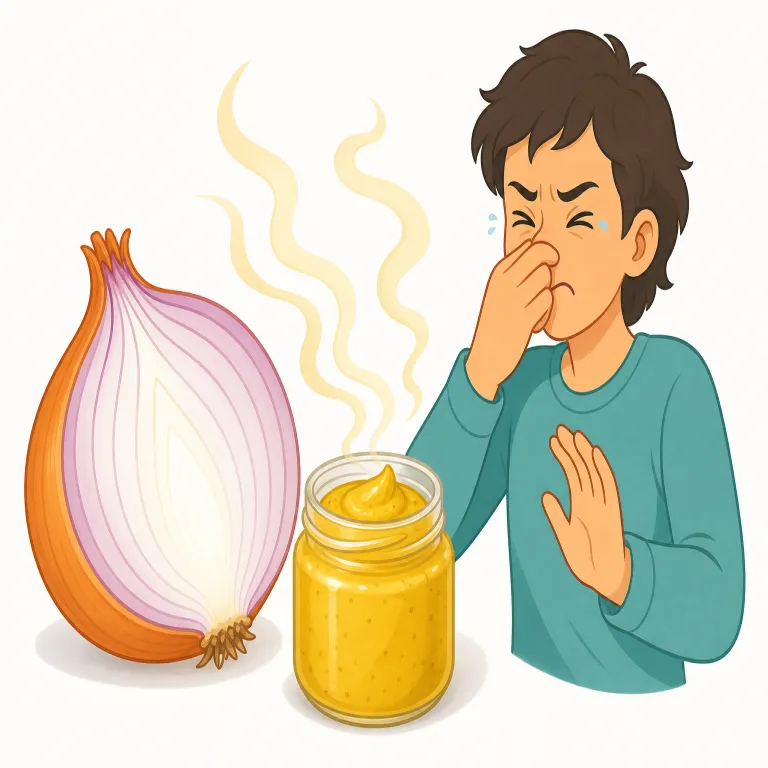
pungent
pungent は英検1級レベルの英単語で、「刺激の強い、鼻をつく、辛辣な」という意味があります。発音記号は /ˈpʌndʒənt/ です。
意味一覧 (2件)
刺激の強い、鼻をつく
解説 Definition
匂いや味が強く、鼻や舌をつくような刺激があることを表す形容詞。香辛料、にんにく、チーズなどの風味や、鋭く強烈な臭いについて使われる。単に「辛い」だけではなく、つんとする刺激の強さを含む。
Pungent describes a very strong smell or taste that sharply affects your senses. It is often used for foods, spices, smoke, or chemicals, and it can be either unpleasant or pleasantly powerful depending on the context.
覚え方のコツ Memory Tip
pungent は「ただ辛い」ではなく、匂い・味が鼻や舌に強く来る語として覚える。料理なら garlic, onion, cheese, spices などと結びつけると残りやすい。spicy が唐辛子の辛さ、fragrant が心地よい香り、stinky が単なる悪臭に寄るのに対し、pungent は『つんと刺激が立つ』感じ。a pungent smell, a pungent sauce のように smell と taste の両方へ広がる語だと押さえると使い分けしやすい。
Remember `pungent` as a word for a smell or taste that hits you sharply. Link it with strong things like garlic, onions, or spices. Unlike `fragrant`, which is pleasant, `pungent` is about that powerful, nose-catching force.
例文
The pungent smell of garlic filled the kitchen.
にんにくの鼻をつく匂いがキッチンに満ちていた。
The cheese had a pungent flavor that took time to appreciate.
そのチーズは刺激の強い風味で、よさが分かるまで時間がかかった。
The pungent spices gave the dish a bold taste.
その刺激の強い香辛料が、料理に力強い味わいを与えた。
辛辣な
(意味 2)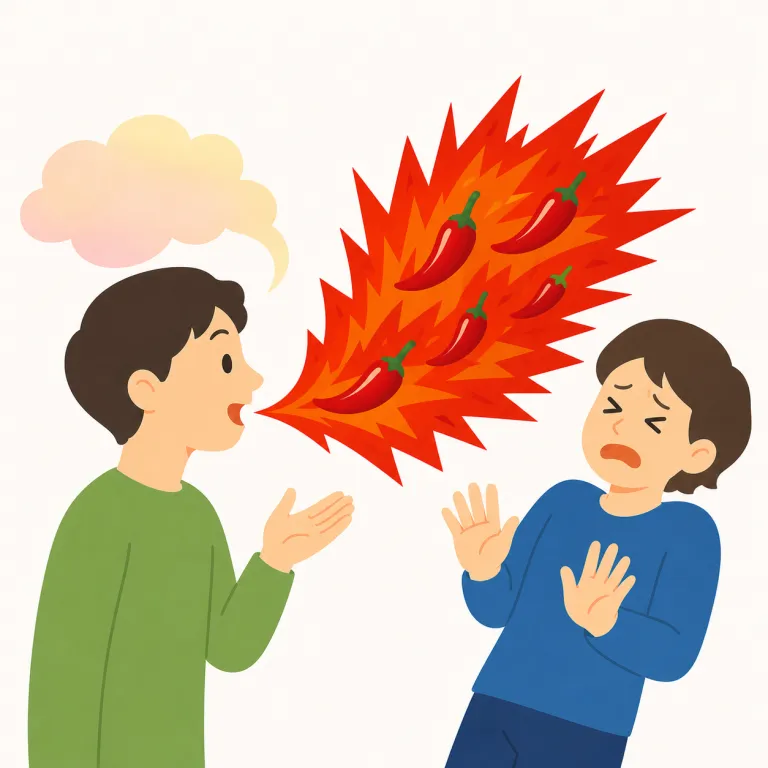
解説 Definition
強い味や香りを持つ。また、言葉や批評が鋭く、容赦ない。
Pungent describes a very strong, sharp smell or taste that has an immediate effect on the senses. It can also describe words, humor, or criticism that are sharp and strongly expressed. In figurative use, it often suggests something biting or forceful.
覚え方のコツ Memory Tip
pungent は、まず smell / taste に付く形容詞として覚えると定着しやすいです。spicy が「辛い」、aromatic が「よい香り」なのに対し、pungent は「鼻や舌に強く刺さる感じ」が中心。pungent odor, pungent smell, pungent flavor の形でよく出ます。そこから比喩で pungent criticism のように「言葉が鋭く辛辣」という意味へ広がると押さえると、匂い・味と批評の両方を一つの感覚でまとめて覚えられます。
For this meaning, connect `pungent` with words that sting, not smells. A `pungent review` or `pungent satire` feels sharp, clever, and painful in a precise way. It is stronger and more cutting than plain `harsh`, often with wit mixed in.
例文
The critic's pungent review of the film was devastating to the director.
その批評家による映画への辛辣な批評は、監督に大きな打撃を与えた。
Her pungent wit made her both feared and respected in social circles.
彼女はその辛辣な機知によって、社交界で恐れられると同時に尊敬もされた。
The pungent sarcasm in his remarks offended several people at the meeting.
会議での彼の辛辣な皮肉が数人を不快にした。
pungent の類義語・関連語
pungent の語源・成り立ち Etymology
pungentはラテン語pungere「刺す」が語源で、においや味が鼻や舌を刺す感覚から「刺激的な、辛い」へ広がった。punctureやpoignantも同根で、感覚に鋭く突き刺さる強さがこの語の芯にある。
"Pungent" comes from Latin pungere, meaning "to prick" or "to sting." The word first carried the idea of something sharp enough to pierce, then it was used for smells and tastes that seem to sting the nose or tongue. Related words include puncture and poignant.
同じレベルの語彙をもっと
英検1級の一覧へ →外部辞書で調べる
この英単語をクイズで覚えよう