えいたんごクイズ

prosthesis

/prɑːsˈθiːsɪs/

意味一覧 (3件)

noun

義肢ぎし人工補綴物じんこうほてつぶつ

解説 Definition

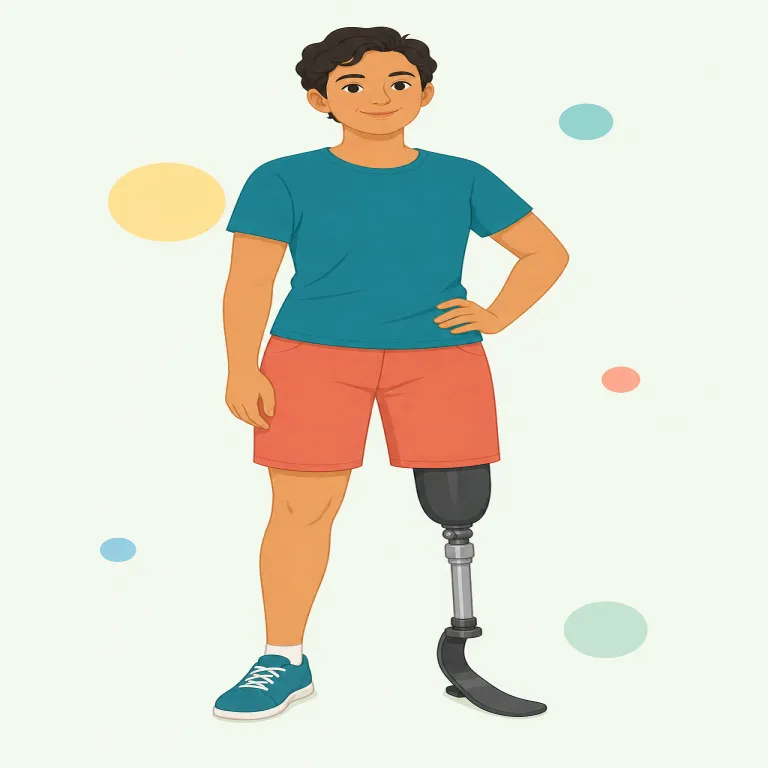
失われた手足や身体の一部を補うために装着する人工の器具、またはそのような補いのための部品を指す語。日常会話では特に義手や義足を指すことが多いが、医学的にはより広く身体機能を補う補綴物全般にも使われる。医療、リハビリ、福祉の分野で重要な概念である。

A prosthesis is an artificial body part or device that replaces a missing part of the body or supports its function. It is used in medicine and healthcare, and it can refer to things such as an artificial leg, arm, tooth, or joint.

覚え方のコツ Memory Tip

prosthesis は prosthetic leg「義足」や prosthetic arm「義手」の形容詞 prosthetic とセットで覚えると定着します。失われた手足、歯、関節、眼などの身体部位や機能を補う人工の器具・部品そのものが prosthesis です。brace や cast は支えたり固定したりする器具ですが、prosthesis は本来の部位の代わりを果たす人工物です。医療・リハビリ・歯科補綴の文脈でよく使われます。

Learn it with `prosthetic`, as in `prosthetic leg` or `prosthetic arm`. `Prosthesis` is the noun for the artificial body part or device itself, while `prosthetic` describes it. It helps to contrast it with a brace or cast, which supports or fixes a body part rather than replacing it.

例文

Advanced prosthesis technology has improved mobility for amputees.

高度な義肢技術によって、切断を経験した人たちの移動能力は向上している。

She received a state-of-the-art prosthesis after the accident.

事故の後、彼女は最先端の義肢を装着した。

The prosthesis was custom-designed to fit her specific needs.

その人工補綴物は、彼女の個別の必要に合うよう特注で設計された。

noun

人工器官じんこうきかん

(意味 2)

解説 Definition

prosthesis は、失われた身体の一部や機能を補うために作られた人工の器官を指す医学寄りの名詞です。人工心臓弁や人工関節、人工眼など、体の一部として働く置換物について使われます。

A prosthesis is an artificial body part or device that replaces a missing part of the body or helps restore its function. In medical contexts, it can mean things like an artificial heart valve, joint, or eye, not just an external limb. The word is used for something that works as part of the patient's body rather than as a simple tool or machine.

覚え方のコツ Memory Tip

prosthesis は prosthetic と一緒に覚えると整理しやすい語です。prosthetic は「人工の身体部位に関する」という形容詞で、prosthesis はその名詞として、体の一部の働きを置き換える人工物を指します。organ や body part を replace する文脈で出やすく、単なる tool や machine ではなく、患者の身体の一部として機能するものだと考えるとつかみやすいです。別エントリの「義肢、人工補綴物」は手足や補綴具に寄った意味なので、ここでは人工弁・人工関節など体内外の器官置換に注目します。

It helps to learn prosthesis together with prosthetic. Prosthetic is the adjective, and prosthesis is the noun for the artificial part that replaces the function of a body part or organ. Think of something that becomes part of the patient's body, such as an artificial valve or joint, not just an ordinary tool or machine.

例文

The surgeon explained that the prosthesis would replace the damaged heart valve.

その人工器官が傷んだ心臓弁を置き換えると外科医は説明した。

After the operation, the prosthesis allowed the joint to move more smoothly.

手術後、その人工器官のおかげで関節がより滑らかに動くようになった。

Modern imaging helps doctors design a prosthesis that fits the patient's body more accurately.

現代の画像診断は、患者の体により正確に合う人工器官の設計に役立つ。

noun

人工肢じんこうし

(意味 3)

解説 Definition

失われた肢体や器官の代わりとなる人工装置。医学的な治療として使用され、患者の日常生活と機能の回復に役立つ。

例文

The prosthesis helped the amputee walk again.

その人工肢は切断患者が再び歩くのを助けた。

Modern prosthesis technology is quite advanced.

現代の人工肢技術はかなり高度である。

The patient adjusted well to the new prosthesis.

その患者は新しい人工肢に良く適応した。

prosthesis の語源・成り立ち Etymology

prosthesis はギリシャ語 prosthesis「付け加えること」に由来し、pros-「付けて」+ thesis「置くこと」に分けられます。thesis や synthesis と同じ『置く』の語根をもち、失った部分に人工物を『置き足す』と考えると、義肢の意味がすっと入ります。

Prosthesis comes from Greek prosthesis, meaning "an addition," from pros- "to, onto" and thesis "a placing." It shares its root with words like thesis and synthesis, which also come from the idea of putting or placing. The meaning developed into something artificially added to the body, as if a missing part were being put in place.

外部辞書で調べる

この単語をシェア

この単語を英単語クイズで覚えよう