柔毛で覆われた
adjective 形容詞植物の葉や茎、または動物の体表などが、細く短い柔毛で覆われていることを表す専門的な形容詞です。植物学・動物学の記述で用いられ、人が思春期にあるという語義とは区別されます。
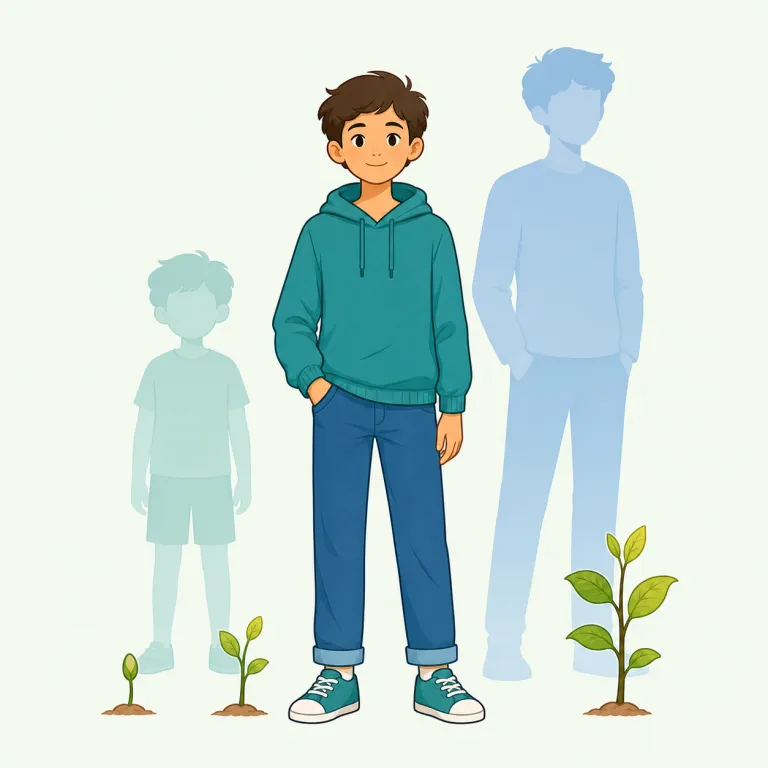
思春期に達しつつある、または思春期の特徴を示す状態を表します。身体的・心理的に青年期へ向かって成長している段階を指します。
Pubescent means being at the stage of life when a child is beginning to develop into an adult. It is mainly used for the physical and sexual changes of puberty. The word is formal and often appears in medical, biological, or educational contexts.
puberty(思春期)を知っていれば覚えやすい語です。pubescent は「思春期に入りかけた/その特徴が出てきた」という、変化の途中に焦点があります。adolescent が年齢層全体を広く指しやすいのに対し、こちらは身体的な成熟の始まりを強く感じる語。語尾 -escent は「〜になりつつある」と読むと整理しやすく、pubescent child / pubescent changes なら「思春期らしい変化が現れている」と取れます。public とはつづりが似ていても別語なので混同注意。
Think of `puberty` first. `Pubescent` is the adjective for someone who is starting to show puberty changes, and the ending `-escent` often means "becoming" or "starting to be." Do not confuse it with `public` just because the spelling looks a little similar.
Pubescent teenagers often experience mood swings and body changes.
思春期の若者は、気分の浮き沈みや体の変化をよく経験します。
The school offers health education programs for pubescent students.
その学校は思春期の生徒向けの健康教育プログラムを提供しています。
Pubescent children develop at different rates.
思春期の子どもは、人によって成長の速さが異なります。
文脈によって、次の意味でも使われます。
植物の葉や茎、または動物の体表などが、細く短い柔毛で覆われていることを表す専門的な形容詞です。植物学・動物学の記述で用いられ、人が思春期にあるという語義とは区別されます。
pubescent はラテン語 pubes「成人・陰毛」から出た pubescere「大人になり始める」に由来し、-escent は「次第にそうなる」を表す。puberty や pubic も同根で、体に変化が現れて成人へ向かう段階だと分かる。
Pubescent comes from Latin pubescere, meaning "to begin to grow up" or "to reach maturity." It is linked to pubes, which referred to both adulthood and body hair, and the ending -escent adds the sense of "becoming." Related English words include puberty and pubic, all connected to the idea of developing into an adult.
この英単語をクイズで覚えよう