意味一覧 (2件)
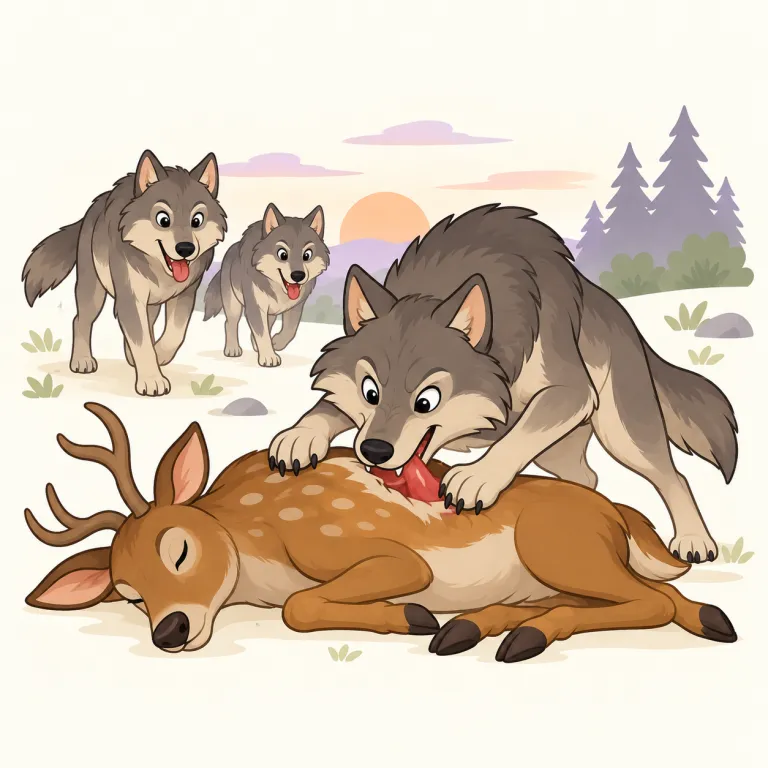
むさぼり食う
解説 Definition
古風または文語的な動詞で、獲物や肉などを荒々しく、貪欲に食べることを表します。現代の日常英語ではほとんど使われません。
To ravin is to eat prey, flesh, or other food greedily and violently. This verb is archaic or literary rather than ordinary modern English.
覚え方のコツ Memory Tip
ravenous「ひどく空腹な」と結び付け、飢えた獣が獲物を荒々しく食べる場面を思い浮かべます。古風な文学語であることも一緒に覚えましょう。
Connect `ravin` with `ravenous` and picture a starving beast tearing greedily into its prey. Remember that the verb is archaic or literary.
例文
The starving beast began to ravin the carcass at once.
飢えた獣はすぐに死骸をむさぼり食い始めた。
The monster was said to ravin the flesh of its victims.
その怪物は犠牲者の肉をむさぼり食うと言われていた。
At dusk, the wolves would ravin any prey they caught.
夕暮れになると、オオカミたちは捕らえた獲物を何でもむさぼり食ったものだった。
略奪する
(意味 2)
解説 Definition
古風または文語的な動詞で、土地や人から物を力ずくで奪い取ったり、ある場所を荒らして略奪したりすることを表します。現代の日常英語ではほとんど使われません。
To ravin is to seize goods by force or to plunder a place. In this sense, the verb is archaic or literary and is uncommon in present-day everyday English.
覚え方のコツ Memory Tip
ravin は、襲撃者や侵略者が土地を荒らし、食料や財宝を力ずくで「略奪する」ことを表す古風・文語的な動詞。ravin a village や ravin the countryside のように、古い物語の集団的な略奪場面で捉えよう。現代の日常会話ではほぼ使わない。
Link the word with `rapine` and picture raiders violently taking goods from a settlement. Treat it as an archaic literary verb for plundering.
例文
In old tales, raiders would ravin the countryside for food and gold.
古い物語では、襲撃者たちは食料や金を求めて地方を略奪したものだった。
The invaders threatened to ravin every village along the river.
侵略者たちは川沿いの村を一つ残らず略奪すると脅した。
The chronicle tells of soldiers who came to ravin the borderlands.
その年代記は、辺境を略奪しに来た兵士たちについて伝えている。
ravin の類義語・関連語
ravin の語源・成り立ち Etymology
古フランス語 ravine を経て、ラテン語 rapina「略奪、奪取」にさかのぼるとされます。「荒々しく奪う」という観念は、食物を貪欲に取って食べるこの用法にも表れています。
Ravin is traced through Old French ravine to Latin rapina, meaning robbery or seizure. The underlying idea of forceful taking is also reflected in this greedy-eating sense.
同じレベルの語彙をもっと
外部辞書で調べる
この英単語をクイズで覚えよう