後退、退縮
noun 名詞線や組織などが以前の位置から徐々に後ろへ下がることを指します。特にrecession of the gumsやgum recessionの形で、歯茎が後退して歯根が露出する状態について使われます。
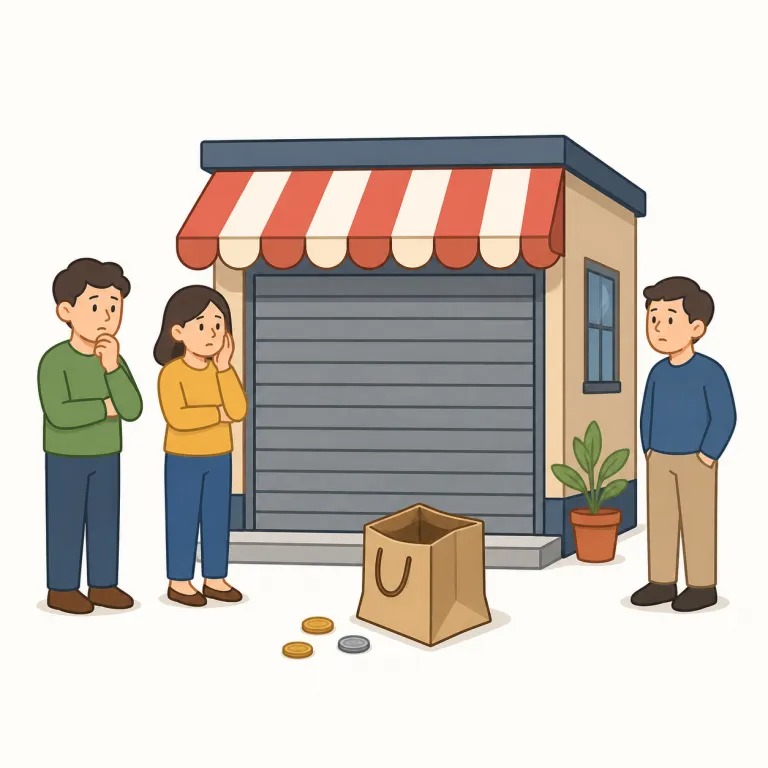
recession は英検2級・TOEIC 860・TOEFL 80・IELTS 6.5レベルの英単語で、「不況」という意味があります。発音記号は /rɪˈsɛʃən/ です。
不況とは、経済活動が低下し、失業率が上昇する経済状況のことです。企業の利益減少と消費の落ち込みが特徴です。
A recession is a period when the economy becomes weaker and business activity slows down. During a recession, people may spend less, companies may earn less, and unemployment may rise. This word is mainly used in economics and news reports.
recession は recede「後退する」を知っていると覚えやすい語で、景気が前に進まず後ろへ下がる感じ。不況の話では economic recession, fall into recession, trigger a recession などがよく出る。企業業績や消費が落ち、失業が増える場面と一緒に結びつけると定着しやすい。似た語 depression も不況だが、より深刻で長引く響きがあるので recession はまず「景気後退の基本語」として押さえる。reception と見間違えやすいので、真ん中は -cess- と確認。
Connect `recession` with `recede`, meaning to move back. A recession is when the economy seems to go backward instead of forward. Remember common phrases like `economic recession`, `fall into recession`, and `trigger a recession`, and be careful not to confuse it with `reception`.
The country faced a severe recession in the early 2000s.
その国は2000年代初頭に深刻な不況に直面しました。
During a recession, many people lose their jobs.
不況の時期に、多くの人々は職を失います。
Economic experts predict a possible recession next year.
経済専門家は、来年は不況に陥る可能性があると予測しています。
この語をはじめて出題された 39人 のうち 21人 が正解しました(54%)。
えいたんごクイズの回答から集計した独自データです。1人につき最初に出題されたときの1回だけを数えており、復習や2回目以降の回答、「わからない」と時間切れは含みません。 集計時点は 2026年9月19日 です。
文脈によって、次の意味でも使われます。
線や組織などが以前の位置から徐々に後ろへ下がることを指します。特にrecession of the gumsやgum recessionの形で、歯茎が後退して歯根が露出する状態について使われます。
recession はラテン語 recessio にさかのぼり、re-「後ろへ」+ cess-「進む・行く」+ -ion から成ります。もとは「後退・引き下がり」で、景気が前へ進めず引いていく感覚が不況につながりました。recede や secede も同じ語根です。
Recession goes back to Latin recessio, from re-, meaning "back," and a root meaning "go" or "move." At first it meant a withdrawal or moving back. That sense later led to the economic meaning, where activity seems to pull back instead of moving ahead; recede and secede are related.
この英単語をクイズで覚えよう