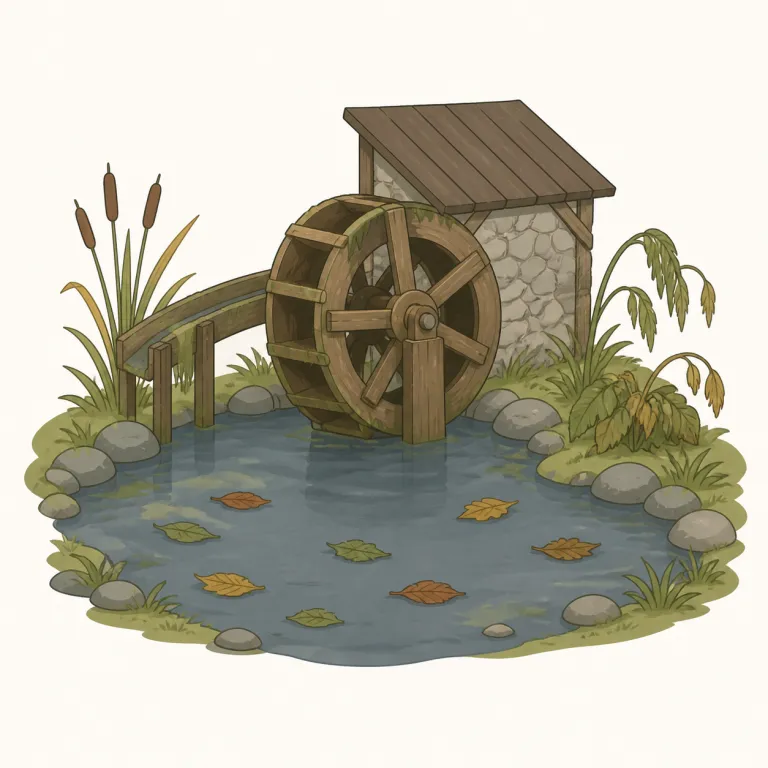
stagnation
stagnation は英検1級レベルの英単語で、「停滞、不景気、不振、淀み」という意味があります。発音記号は /stæɡˈneɪʃən/ です。
意味一覧 (4件)
停滞
解説 Definition
停滞とは、進歩や発展が止まっている状態、または動きがなく同じところにとどまっている状況です。経済、社会、個人の進展が滞ることを指します。
Stagnation is a state in which something stops developing, improving, or moving forward. It is often used for economies, careers, organizations, or personal progress. The word usually has a negative feeling because it suggests a lack of growth or energy.
覚え方のコツ Memory Tip
stagnation は「停滞」、つまり進歩・発展・動きが止まり、同じ状態にとどまっていることです。stagnant water「よどんだ水」の stagnant と同じ stagn- が核で、流れないイメージが経済や社会の前進のなさへ広がります。economic stagnation、wage stagnation、social stagnation のように、成長や変化が期待されるものが伸びない文脈でよく使います。
Learn the whole family together: `stagnate`, `stagnant`, and `stagnation`. The shared root `stagn-` gives the idea of something not moving forward. It often appears with growth words like `economic stagnation` or `wage stagnation`, which helps you remember the sense of no progress.
例文
The economy suffered from stagnation for several years.
経済は数年間停滞に苦しみました。
Stagnation in the water can create health hazards.
水の停滞は健康上の危険を生じさせることができます。
The company faced stagnation in sales and needed a new strategy.
その企業は売上の停滞に直面し、新しい戦略が必要でした。
不景気
(意味 2)解説 Definition
成長や発展が停止した状態。経済や産業が進展せず、停滞している状況。
例文
The economic stagnation lasted for several years.
経済的停滞は数年間続いた。
The country faced stagnation in its industries.
その国の産業は停滞に直面した。
The stagnation slowed job creation and investment.
その停滞は雇用創出と投資を減らした。
不振
(意味 3)解説 Definition
業績・売上・景気などが期待ほど伸びず、よい結果を出せていない状態を表します。特に経済、企業、産業、チームの成績などについて、活気や成果が乏しい時に使われます。
Stagnation is a state in which business, sales, the economy, or another area is not growing or improving as expected. It suggests a lack of energy, movement, or clear results over a period of time. The word is often used when something should be developing, but instead stays weak or unchanged.
覚え方のコツ Memory Tip
stagnation は stagnate「伸び悩む・動きが止まる」と -ation「状態・過程」を結びつけて覚えるとよいです。不振の意味では、sales stagnation, market stagnation, economic stagnation のように、売上・市場・経済など本来伸びてほしいものに使われます。slump は落ち込みの動き、recession は景気後退を指しやすく、stagnation は結果として活気や成果が出ない状態に焦点があります。
You can remember stagnation by linking it to stagnate, which means "to stop moving or growing," plus the noun ending -ation. In the sense of poor performance, it often appears in phrases like sales stagnation, market stagnation, and economic stagnation. A slump often suggests a drop, and a recession usually refers to an economic downturn, but stagnation focuses on the state of not showing energy, growth, or results.
例文
The company is trying to recover from two years of sales stagnation.
その会社は2年間の売上不振から立ち直ろうとしている。
Many experts warned that wage stagnation would hurt consumer spending.
多くの専門家は、賃金の不振が個人消費を弱めると警告した。
After a strong start to the season, the team's stagnation surprised its fans.
好調なシーズン序盤の後、そのチームの不振はファンを驚かせた。
淀み
(意味 4)解説 Definition
流れが完全に止まり動きがない状態。水や空気などが淀んでいる状態、または経済や物事の発展が停止している状態を示す。
例文
The stagnation of the water in the pond created bad smells.
池の淀みが悪臭を発生させた。
The stagnation of air in the room made it uncomfortable.
部屋の空気が淀んでいて、不快だった。
The stagnation between the two sides made progress impossible.
両者間の淀みが進歩を妨げた。
stagnation の語源・成り立ち Etymology
stagnationはラテン語stagnum「よどんだ水」から出たstagnareに、名詞化の-ationが付いた語です。原義が水の停滞なので、進歩や経済の停滞にも「流れが止まる」感覚がそのまま重なります。stagnantやstagnateが同系です。
Stagnation comes from Latin stagnare, "to stand still," from stagnum, meaning "a pool of still water." The first image was water that does not flow. From there, the word came to describe any kind of lack of movement or progress, as in society or the economy; related words are stagnate and stagnant.
外部辞書で調べる
この単語を英単語クイズで覚えよう