包帯を交換する、手当てし直す
verb 動詞医療や看護の文脈で、傷口の古い包帯や被覆材を外し、必要な処置をして新しいものに交換すること。redress a woundの進行形・動名詞で、「不正を是正する」という既存語義とは異なる。
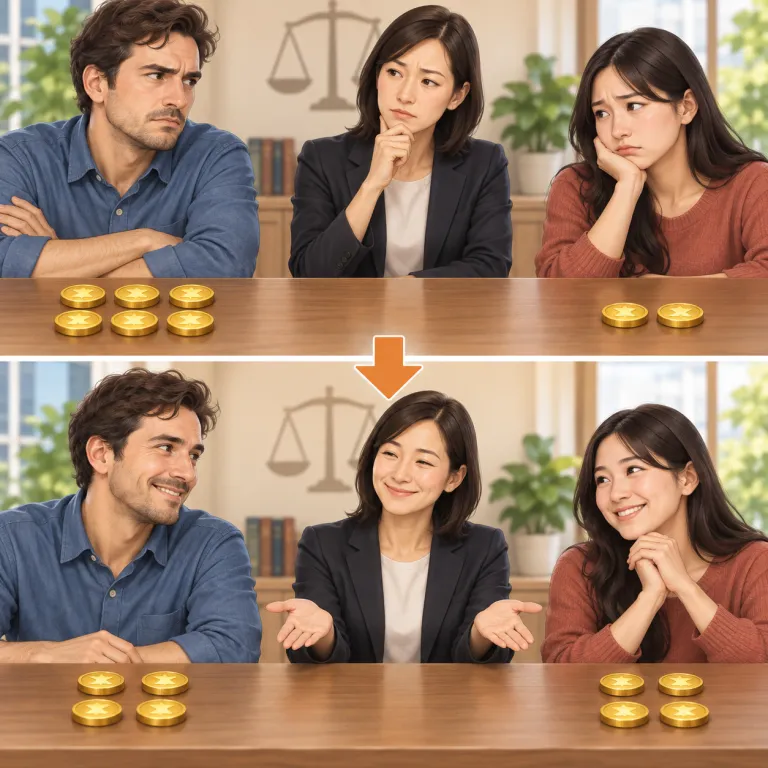
不正、不均衡、過去の過ちなどを正したり埋め合わせたりすることを表す語で、動名詞として使われることが多い。政治、法律、社会問題の文脈で、被害の是正や不公平の改善に向けた取り組みを述べるときによく用いられる。
Redressing means correcting something unfair, harmful, or wrong. It is often used in formal contexts such as law, politics, or social issues when talking about fixing damage or giving fair treatment again.
redressing は、まず動詞 redress を丸ごと覚えるのが近道。dress にある「乱れを整える」感覚に re-「もう一度」が重なり、「崩れたものを整え直す」と捉えると残りやすい。単なる fix や repair ではなく、不公平・損害・歴史的な不利益を正し、埋め合わせまで含む場面で使われやすい。seek redress, redress the balance, redressing inequality のような言い方で覚えると、法律・社会問題の文脈と結びつく。dress が見えても衣服とは切り離して記憶する。
Start from the verb `redress`: `re-` suggests doing something again, and `dress` can help you imagine putting something back in order. The idea is not simple repair, but correcting an unfair or harmful situation. Remember common phrases like `seek redress` or `redressing inequality`.
International efforts are aimed at redressing historical injustices in the region.
国際的な取り組みは、その地域における歴史的不正の是正を目的としている。
Redressing past wrongs requires both acknowledgment and action.
過去の過ちを是正するには、その過ちを認め、行動を起こすことが必要である。
The government is focused on redressing economic inequalities.
政府は経済的不平等の是正に力を入れている。
文脈によって、次の意味でも使われます。
医療や看護の文脈で、傷口の古い包帯や被覆材を外し、必要な処置をして新しいものに交換すること。redress a woundの進行形・動名詞で、「不正を是正する」という既存語義とは異なる。
redressing は re-「再び」+ dress「まっすぐ整える」から成り、古フランス語経由で「乱れを元に戻す」が原義です。dress や address、direct も同根で、「もう一度まっすぐにする」感覚から損害や不正を是正する意味が生まれました。
Redressing comes from re- "again" and dress, in its older sense of "set straight" or "arrange." Dress came into English through Old French and is related to Latin directus, the source of direct and address. The idea developed from "putting something straight again" to correcting a wrong or making up for damage.
この英単語をクイズで覚えよう