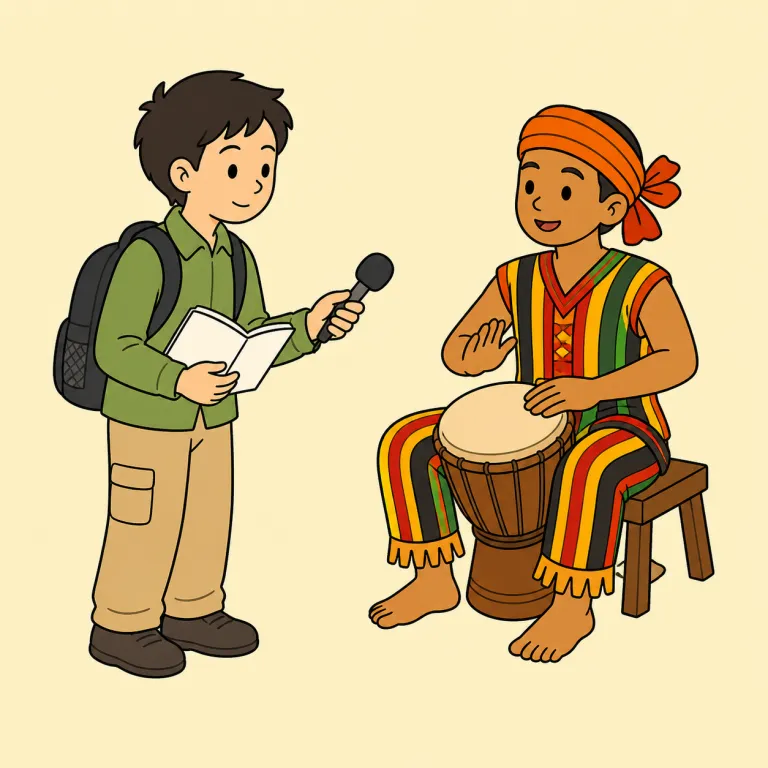
ルポルタージュ
解説 Definition
ニュースや事実に基づいた事柄を報道する行為、またはそのための記者の現地取材や関連報道記事。ジャーナリズムの実践を指します。
Reportage is factual reporting, especially writing that describes real events in a vivid and detailed way. It is commonly used in journalism and sometimes in literary writing. The focus is usually on direct observation and real-world detail.
覚え方のコツ Memory Tip
report が分かれば中心は同じで、「事実を伝える」が核。そこに -age が付くと、marriage などと同じく“行為・まとまり・産物”っぽい名詞に見えるので、reportage は「report を積み上げた、現場取材つきの報道」と覚えると残りやすい。単なる report が事実の報告なのに対し、reportage は記者が現地に入り、描写や臨場感を伴って伝えるルポ的な記事・報道。war reportage, photo reportage のように使うと場面が浮かぶ。
Think of `report` as the base word. `Reportage` sounds more like reporting from the scene, with description and a strong sense of reality, not just a plain report. Phrases like `war reportage` or `photo reportage` make the style easy to remember.
例文
The journalist's reportage from the war zone was powerful and moving.
その記者の紛争地域からの報道は力強く心を揺さぶるものでした。
Television reportage brought the disaster into homes across the country.
テレビ報道は、その災害の様子を国中の家庭に伝えました。
His investigative reportage uncovered corruption in the government.
彼の調査報道は政府の汚職を明るみに出しました。
reportage の類義語・関連語
reportage の語源・成り立ち Etymology
reportage はフランス語 reportage から入った語で、さらに reporter「運ぶ・持ち帰る」系の語にさかのぼります。語根はラテン語 portare「運ぶ」で、出来事を現場から“持ち帰って伝える”感覚から、記事風の現地報告・ルポルタージュの意味になりました。関連語は report、transport。
Reportage came into English from French reportage. It is related to reporter and ultimately to Latin portare, meaning "to carry." The sense developed from carrying news back from a place, then to a written or spoken account based on direct observation.
同じレベルの英単語をもっと
外部辞書で調べる
この単語を英単語クイズで覚えよう