意味一覧 (2件)
木靴
解説 Definition
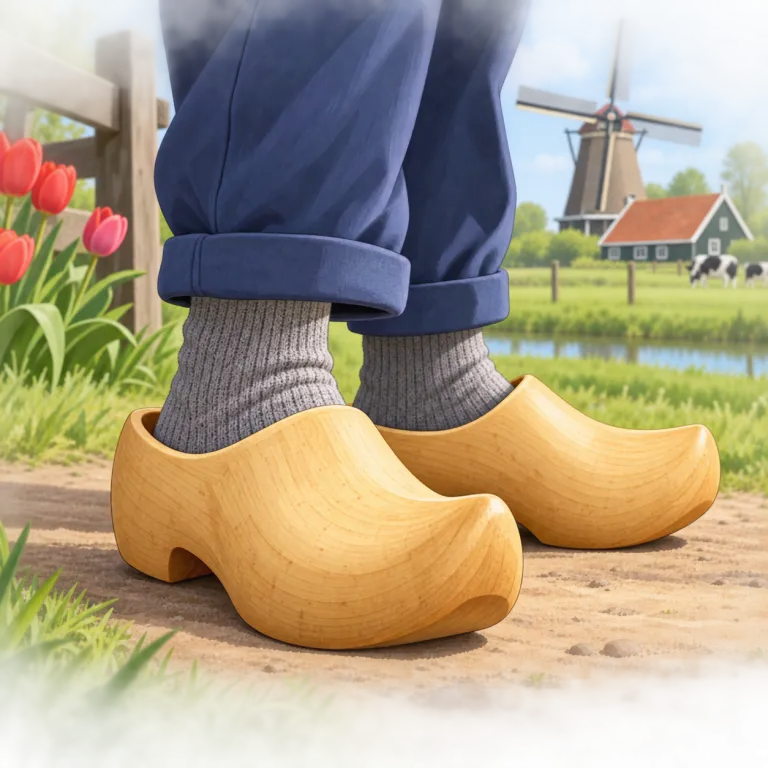
木をくり抜くなどして作られた伝統的な靴。特にヨーロッパの農村などで履かれたものを指す。
A traditional shoe made wholly or largely from wood, especially one formerly worn in rural parts of Europe.
覚え方のコツ Memory Tip
木をくり抜いたり削ったりして作る、ヨーロッパの伝統的な「木靴」です。sabots と複数形になることが多く、carved from wood「木から削り出された」や muddy sabots「泥の付いた木靴」と組み合わせます。農村の戸口に置かれた、硬い木製の靴を思い浮かべましょう。
Connect sabot with a traditional wooden shoe. Picture a shoe carved directly from a block of wood.
例文
Traditional sabots were carved from wood.
伝統的な木靴は木を削って作られた。
The farmer left his muddy sabots by the door.
農夫は泥の付いた木靴を戸口に置いた。
The museum displayed a pair of decorated sabots.
博物館には装飾された木靴が一足展示されていた。
装弾筒
(意味 2)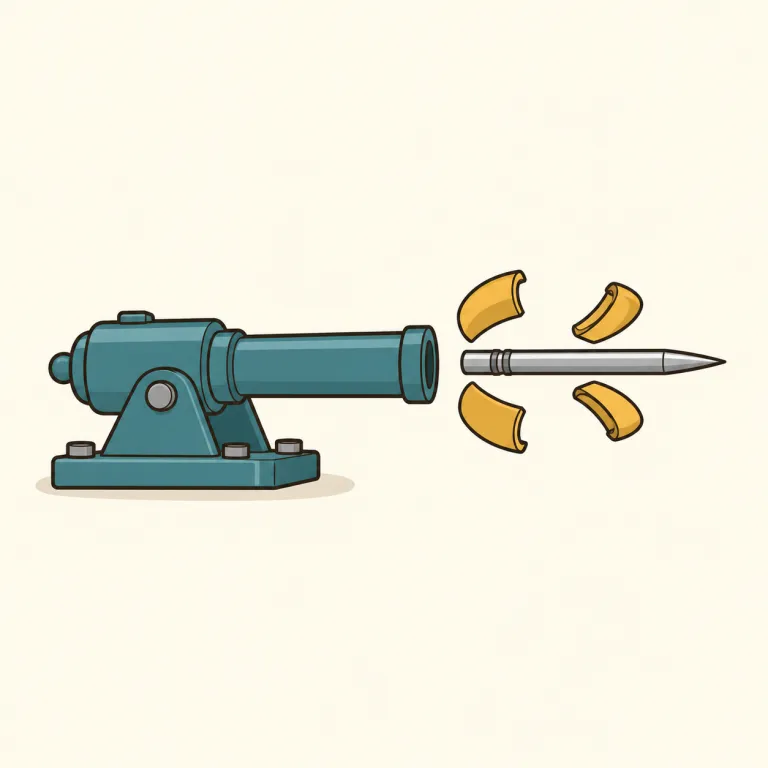
解説 Definition
砲身より細い弾体を砲身の中心に保持し、発射時に支えた後、通常は砲口を出てから分離する部品。
A supporting component fitted around a projectile to hold it centered in a wider barrel during firing, typically separating after the projectile leaves the barrel.
覚え方のコツ Memory Tip
sabot は、砲身より細い弾体を包んで中央に保つ「装弾筒」です。発射時には弾体を支えて砲身内を進み、多くの場合、砲口を出た後に弾体から分離します。細い弾を太い砲身に合うよう一時的に支える外枠、と捉えると役割を思い出せます。
Picture the projectile wearing a temporary shoe that supports it inside the barrel and falls away after launch.
例文
The sabot kept the narrow projectile centered in the barrel.
装弾筒は細い弾体を砲身の中心に保持した。
The sabot separated shortly after the round left the barrel.
装弾筒は弾が砲身を出た直後に分離した。
Engineers inspected the sabot for damage before the test.
技術者たちは試験前に装弾筒の損傷を点検した。
sabot の類義語・関連語
sabot の語源・成り立ち Etymology
フランス語 sabot「木靴」から英語に入った語。ここでは元来の履物の意味で使われる。
Borrowed from French sabot, meaning a wooden shoe. This is the word's original footwear sense.
同じレベルの語彙をもっと
外部辞書で調べる
この英単語をクイズで覚えよう