scrap
scrap はTOEIC 860・TOEFL 80・IELTS 6.5レベルの英単語で、「くず、廃材、廃棄する、中止する」という意味があります。発音記号は /skræp/ です。
意味一覧 (2件)
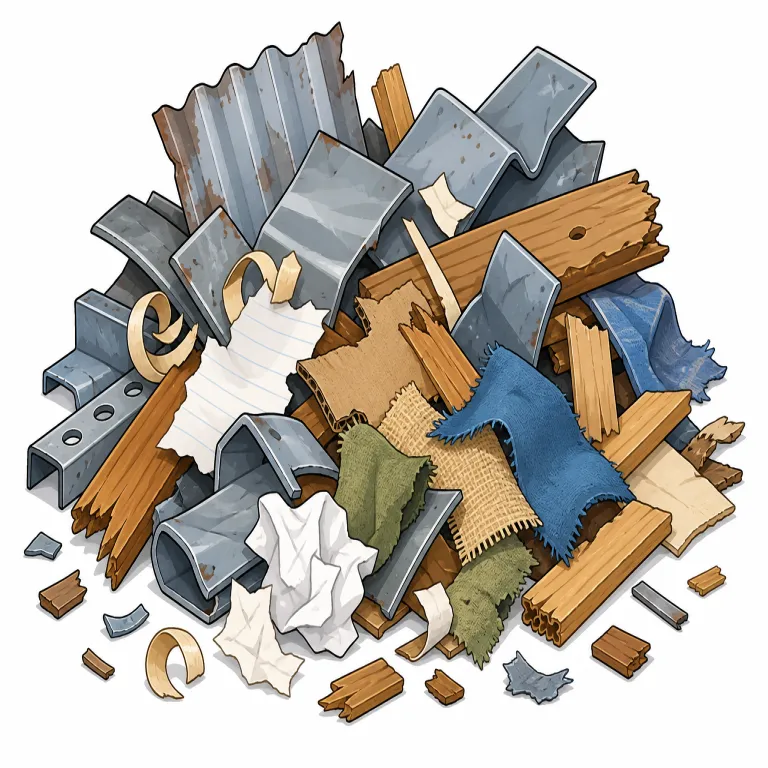
くず、廃材
解説 Definition
scrap は、使い古されて不要になった金属や木材などのくず、廃材を指す語です。単なるごみではなく、回収して再利用したり売買したりできる材料を含むことが多く、特に scrap metal は金属くずの意味になります。
Scrap means a small piece of material that is left over or no longer wanted. It is often used for metal, paper, wood, or other waste that may be thrown away or recycled. The word usually suggests something of low value but still possibly useful.
覚え方のコツ Memory Tip
scrap は「役目を終えたあとに残る、まだ材料としては価値のある端切れ・廃材」とまとめると覚えやすいです。garbage のような単なるごみではなく、scrap metal のように回収・再利用される場面でよく出ます。small piece や leftover の感覚を重ねると、ばらばらの小片が集まったイメージで定着します。動詞 scrap「廃棄する・中止する」も頻出なので、名詞では「捨てる行為」ではなく「捨てられた材料そのもの」を指すと区別すると混乱しません。
Think of `scrap` as small leftover pieces, not just useless garbage. It often appears in phrases like `scrap metal`, where the material may still be reused. Also remember the verb `scrap`, so the noun is the material itself, not the act of throwing it away.
例文
The factory collects scrap metal for recycling.
その工場は再利用のために金属くずを回収している。
He made a toy car from old scrap metal.
彼は古い金属くずでおもちゃの車を作った。
The scrap yard buys and sells old metal.
その廃材置き場では古い金属を売買している。
廃棄する、中止する
(意味 2)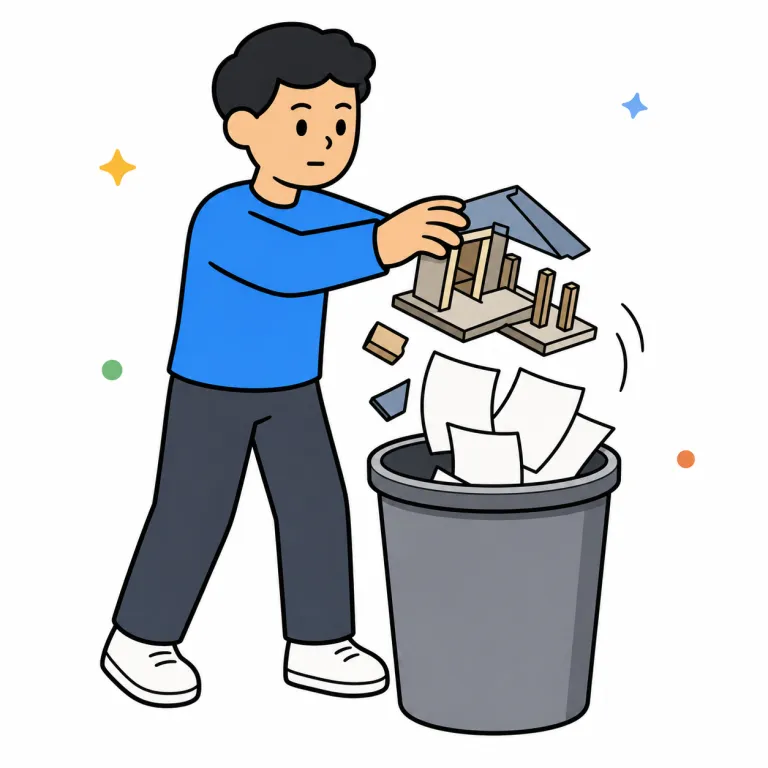
解説 Definition
使わない物や古い設備などを捨てるとき、また計画・提案・制度などを取りやめるときに使う。役に立たない、続ける価値がないと判断して見切るニュアンスが強い。
To discard equipment or other things because they are no longer useful or worth keeping. It also means to abandon a plan, proposal, or system because it is judged no longer worth pursuing or maintaining.
覚え方のコツ Memory Tip
scrap は名詞の「くず・廃材」から、動詞では「くずとして処分する」「計画を捨てる」と広げると覚えやすいです。scrap old machines なら古い機械を廃棄する、scrap a plan なら続ける価値がないと見切って中止する感じ。garbage のように単なるごみを言うだけでなく、役目を終えたものや案を実用外として外す、という判断のニュアンスで押さえると定着します。
Picture old machinery becoming scrap material when someone decides it is no longer useful. Extend that image to scrap a plan: you set the idea aside because carrying it out no longer seems worthwhile.
例文
The company decided to scrap the old machines.
その会社は古い機械を廃棄することに決めた。
They scrapped the plan after the costs increased.
費用が増えたあと、彼らはその計画を中止した。
The government scrapped the outdated rule.
政府はその時代遅れの規則を廃止した。
scrap の類義語・関連語
対義語
派生語
scrap の語源・成り立ち Etymology
scrap は古ノルド語 skrap「削りくず」にさかのぼり、英語 scrape と同系です。語幹 scrap-/skrap- には「こすって削る」感覚があり、ただのごみでなく「削って出た小片」と分かります。scrape や scraper を見ると意味の芯がつかめます。
Scrap goes back to Old Norse skrap, meaning something like scrapings or small bits rubbed off. It is related to scrape, and the core idea is of material produced by scraping or rubbing. That is why the word came to mean a small piece left over or thrown away.
同じレベルの語彙をもっと
TOEIC 860の一覧へ →外部辞書で調べる
この英単語をクイズで覚えよう