leftover
leftover は英検準2級レベルの英単語で、「残り物、残った、残りの、名残、遺物」という意味があります。発音記号は /ˈlɛftoʊvɚ/ です。
残り物
/ adjective 形容詞 残った、残りの
解説 Definition
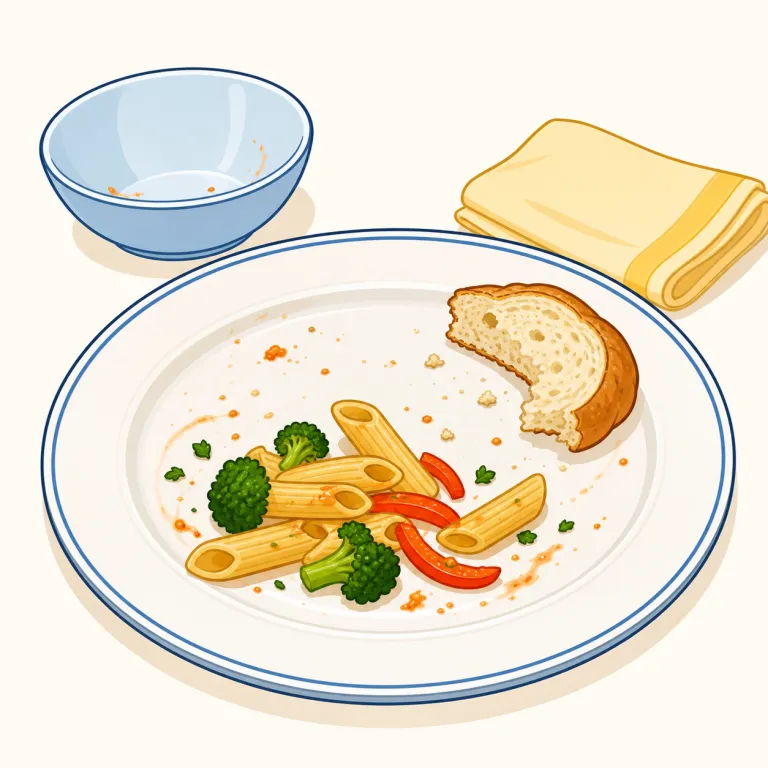
残り物とは、食事や作業の後に使われずに残ったものを指します。特に料理の文脈では、前の食事で食べきれずに残った食べ物を意味します。残り物を上手に活用することは、食品廃棄を減らすために重要とされています。
A leftover is food that remains after a meal and can be eaten later. The word can also mean something remaining from an earlier situation, though the food meaning is very common. It is usually used in everyday life and home contexts.
覚え方のコツ Memory Tip
leftover は left + over と見れば覚えやすいです。leave の過去形 left を知っていれば、「置いていかれたものが、まだ over=余っている」という絵でつながります。特に food と相性がよく、leftovers / leftover food で『食べ残し・残り物』が定番。remaining より会話的で、少し『余りもの感』が出やすい語です。
See `leftover` as `left` + `over`. Something was left, and some is still over, or remaining. It often appears with food, so `leftovers` is a strong memory pair.
例文
The leftover from last night's dinner became my breakfast.
昨夜の夕食の残り物を今朝の朝食にしました。
She always finds creative ways to use leftovers to make new meals.
彼女はいつも残り物を工夫して新しい料理にします。
Keep the leftovers in the refrigerator and eat them tomorrow.
残り物は冷蔵庫に入れて、明日食べてください。
名残、遺物
(意味 2)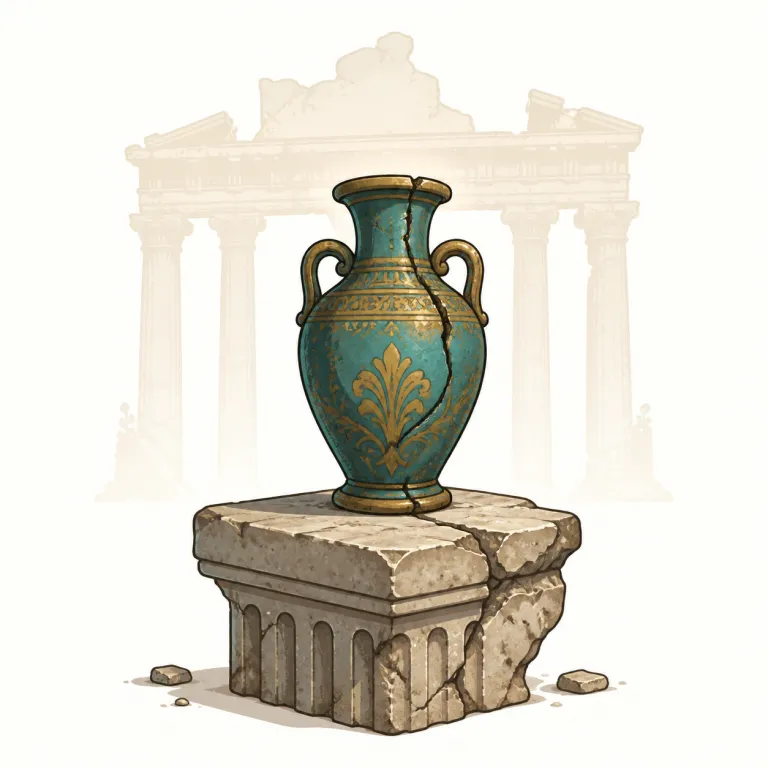
解説 Definition
名詞では、過去の出来事や時代、制度が今も少し残っているものを指す。物理的な残骸だけでなく、習慣・感情・影響の「名残」のような比喩的な文脈で使われ、単なる食べ残しとは意味が異なる。歴史や感情を語る文で自然。
Something that remains from an earlier period, event, or system. It can be a physical object or a surviving habit, feeling, or influence.
覚え方のコツ Memory Tip
leftover は left + over と見れば覚えやすいです。leave の過去形 left を知っていれば、「過去に置いていかれたものが、今も少し over=残っている」という絵でつながります。食べ物の leftovers だけでなく、a leftover from childhood や a leftover from an older society のように、経験・時代・制度の『名残』にも使える語。目の前の残り物か、過去から残った影響かを文脈で分けると定着しやすいです。
Break leftover into left and over, and imagine the past leaving something behind in the present. The phrase 'a leftover from childhood' can describe a feeling that has lasted for years. Use 'a leftover from' to connect the surviving thing with its earlier source.
例文
This custom is a leftover from an older farming society.
この慣習は昔の農業社会の名残だ。
His fear of dogs was a leftover from childhood.
犬への恐れは子ども時代の名残だった。
The gate is a leftover from the colonial era.
その門は植民地時代の遺物だ。
leftover の類義語・関連語
leftover の語源・成り立ち Etymology
leftover は left「残された」と over「余って」の結合で、19世紀英語で生まれた比較的新しい語で、同系に leavings があります。leave は古英語 læfan「残しておく」、over は古英語 ofer「越えて・余って」に由来し、『使い終えてもまだ余るもの』という絵から「残り物」とわかります。
"Leftover" combines "left" and "over," and it appeared in English in the 19th century. "Leave" comes from Old English and originally meant to let something remain, while "over" meant beyond or extra. So the word grew from the idea of something still remaining after the rest has been used.
同じレベルの語彙をもっと
英検準2級の一覧へ →外部辞書で調べる
この英単語をクイズで覚えよう