ごった返す、満ちる
verb 動詞場所などが大勢の人や絶え間ない活動でいっぱいになり、激しく動いているように見えることを表す。通例 be seething with ... の形で使い、単なる混雑以上の騒がしさや活気を含む。
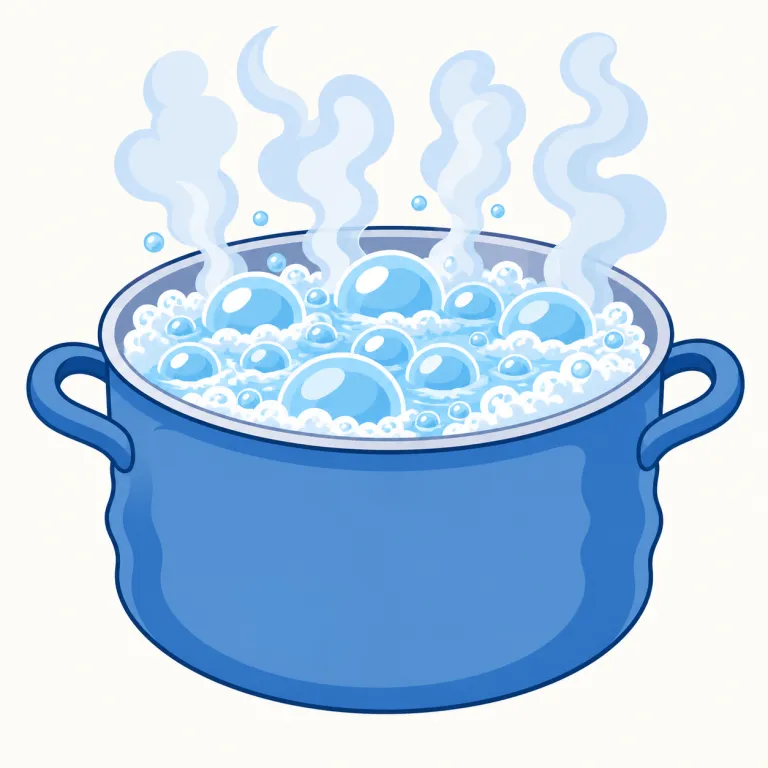
seethe は英検1級レベルの英単語で、「煮えたぎる」という意味があります。発音記号は /ˈsiːð/ です。
液体が激しく沸騰する、または怒りや不満で激怒している状態を表す動詞です。物理的な沸騰と感情的な激怒の両方の意味を持ちます。
To seethe means to feel very angry but not express it openly, or to move in a violent, boiling way. It is often used for strong hidden emotion or for liquid that is bubbling intensely. The emotional meaning is common in everyday English.
まず「沸騰する」の基本イメージで覚えると定着しやすい語です。water boils は事実としての沸騰、seethe は中でぐらぐら煮え立ち、表面も落ち着かない感じが強い。そこから比喩で「怒りが内側で煮え返る」に広がります。be seething with anger の形が頻出で、爆発して怒鳴るというより、今にも噴き出しそうに怒りをためている状態。simmer も怒りに使えますが、seethe のほうが温度も圧も高い、と並べて覚えると使い分けやすいです。
Start with the image of liquid boiling hard, not just quietly heating. From there, it is easy to remember the common emotional use: `be seething with anger`. Compare it with `simmer`: both can describe anger, but `seethe` feels hotter and closer to bursting.
The water began to seethe as the temperature increased.
温度が上昇するにつれて、水は沸騰し始めました。
He was seething with anger after hearing the news.
彼はニュースを聞いた後、怒りで煮えくり返っていました。
The pot of soup was seething on the stove.
鍋のスープがコンロの上でぐつぐつ煮立っていました。
文脈によって、次の意味でも使われます。
場所などが大勢の人や絶え間ない活動でいっぱいになり、激しく動いているように見えることを表す。通例 be seething with ... の形で使い、単なる混雑以上の騒がしさや活気を含む。
seetheは古英語sēoþan「煮えたつ」に由来し、ゲルマン系の古い「ぶくぶく沸く」感覚を残す語です。同根のsoddenは「煮えてぐったりした」が原義で、怒りがseetheするのも、感情が内側で煮え返る比喩だと分かります。
Seethe comes from Old English seoþan, meaning "to boil" or "bubble up." It belongs to an old Germanic word family about boiling or cooking, and is related in history to sodden. From the physical idea of liquid boiling, it later gained the figurative sense of emotions boiling inside.
この英単語をクイズで覚えよう