
fume
fume は英検1級・TOEIC 860・TOEFL 80・IELTS 6.5レベルの英単語で、「煙、蒸気、激怒する、煙を出す」という意味があります。発音記号は /fjuːm/ です。
意味一覧 (2件)
煙、蒸気
解説 Definition
物が燃えたり、液体や薬品が熱せられたりして出る、空気中にただよう煙や蒸気です。多くの場合、強いにおいがしたり、吸いこむと体によくなかったりするものを指します。
Smoke, vapor, or gas that rises from something burning, heated, or chemical. It often suggests a strong smell or something unpleasant to breathe.
覚え方のコツ Memory Tip
fume は、火・塗料・薬品・熱い液体などから立ち上り、強いにおいや有害性を伴う煙・蒸気を思い浮かべると覚えやすい語です。日常では複数形 fumes が多く、paint fumes、chemical fumes、fumes from the fire の形でよく現れます。雲そのものを表す smoke や、主に水が気体になった steam よりも、「吸い込まない方がよい気体」という感覚が強めです。Do not breathe in the fumes と場面ごと固定すると定着します。
Picture smoky or smelly vapor rising into the air. Connect fume with fumes you should not breathe in.
例文
The fumes from the fire filled the room.
火から出た煙が部屋いっぱいに広がりました。
Do not breathe in the paint fumes.
ペンキの蒸気を吸いこまないでください。
Fumes rose from the hot liquid.
熱い液体から蒸気が立ちのぼりました。
激怒する、煙を出す
(意味 2)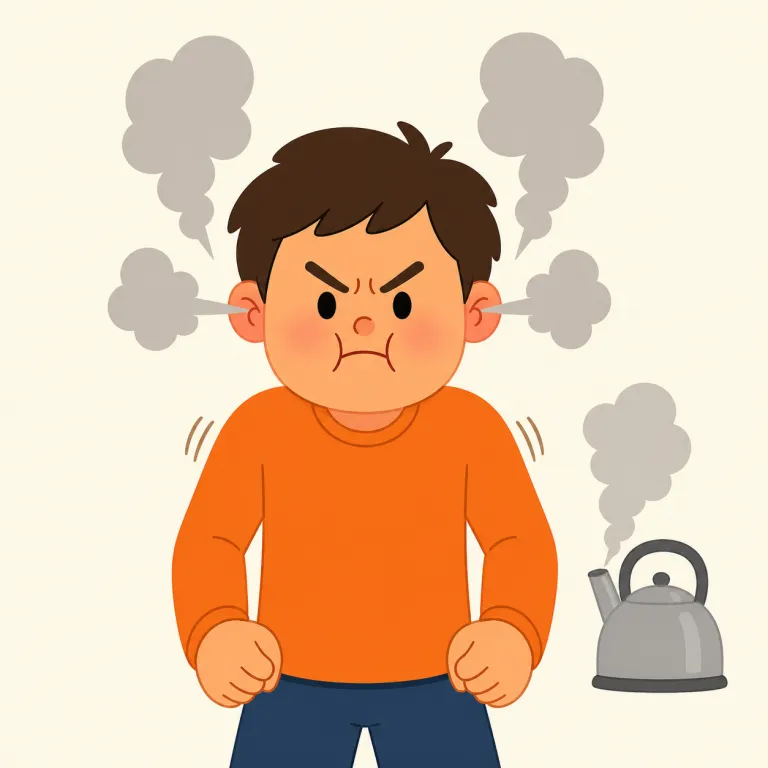
解説 Definition
強い怒りで腹を立てること、または煙や蒸気、有害な気体を出すことを表す動詞。人については不満や憤りをあらわにする場面で使い、物や自然現象については煙を立ちのぼらせる様子を述べる。
To fume means to feel or show strong anger, often in a quiet but intense way. It is commonly used when someone is very upset about something unfair or annoying. It can also mean to give off smoke, gas, or strong vapor, especially in technical or literal contexts.
覚え方のコツ Memory Tip
fume は「中で熱がこもって煙が出る」イメージでまとめると覚えやすいです。物なら smoke に近く「煙・有害な気体を出す」、人なら怒りが内側でくすぶって「かんかんに怒る」。会話では be fuming で「激怒している」が頻出。shout のように外へ爆発させる感じより、怒りをむっと立ちのぼらせる語です。名詞 fumes は「煙・ガス」なので、give off fumes も一緒に押さえると意味がつながります。
Picture anger getting so hot inside that smoke starts to rise. That image links the two uses of fume: real smoke and silent anger. The common phrase is be fuming, which helps fix the word in memory.
例文
He fumed with anger when he heard the news.
彼はその知らせを聞いて激怒した。
She was fuming after her presentation was criticized unfairly.
彼女は自分の発表が不当に批判され、怒りでいっぱいだった。
The volcano fumed as it prepared to erupt.
噴火を前に、その火山は煙を上げていた。
fume の類義語・関連語
類義語
fume の語源・成り立ち Etymology
ラテン語の fumus は「煙」という意味でした。そこから古いフランス語を通って英語に入り、燃えたものや熱い液体などから出る煙や蒸気を表す語になりました。
Fume comes from Latin fumus, meaning "smoke." It entered English through Old French and kept the idea of smoke or vapor rising into the air.
同じレベルの語彙をもっと
英検1級の一覧へ →外部辞書で調べる
この英単語をクイズで覚えよう