無柄の、柄のない
adjective 形容詞植物学では、葉・花・果実などに柄がなく、茎や枝に直接付いている状態をいう。sessile leaf や sessile flower のように器官名の前で使い、生物全体が基質に固着して動かないという意味とは区別される。
生物が基質に固着して動かない状態。植物や一部の海洋生物のように定着して生活する性質を指す。
Sessile means fixed in one place and attached directly without a stalk, stem, or support. It is mainly used in biology for plants or animals that stay attached to a surface. In medical use, it can also describe a growth that is attached directly rather than hanging from a stem-like part.
まず sit を核に置くと覚えやすい。sessile は「その場に座りついたまま」の感覚で、海藻・カキ・ポリープのように基質にくっついて動かない生物に使う。植物では「柄がなく直接つく」の意味にも出るので、葉や花が茎にぺたりと付く場面を思い浮かべると定着しやすい。sedentary が『座りがち』、session が『座って行う集まり』と並べると ses-/sed- 系のまとまりが見え、motile や mobile の反対側として置くと混同しにくい。
Link `sessile` to the idea of `sit`: something sessile seems to stay sitting in one place. It is often used for plants or sea life that stay attached and do not move around. Remember it by pairing it with the opposite idea, such as `motile` or `mobile`.
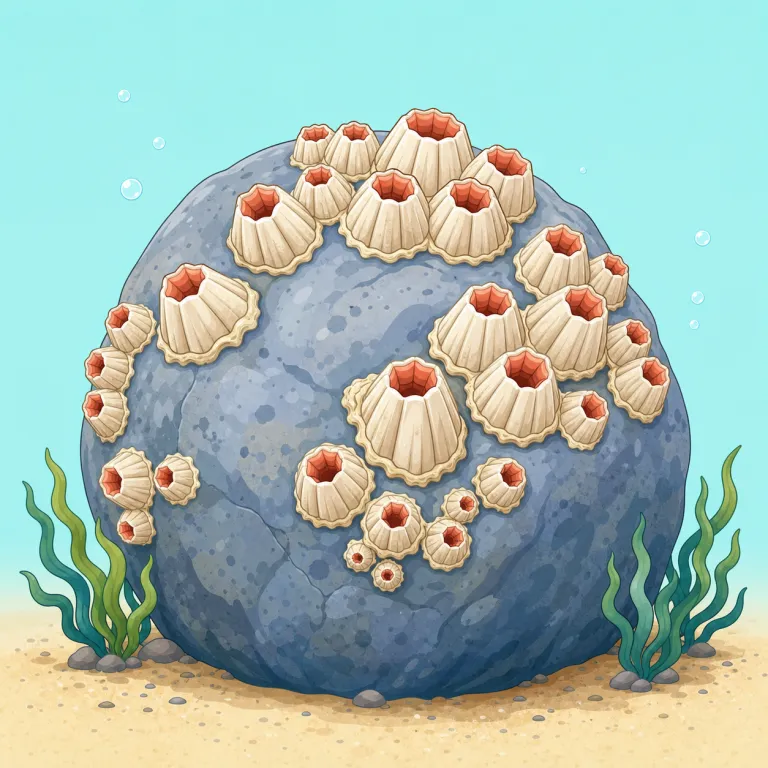
Barnacles are sessile organisms that attach themselves permanently to rocks and ship hulls.
フジツボは岩や船底に恒久的に付着する固着性の生物である。
Unlike mobile predators, sessile creatures must rely on water currents to bring food to them.
移動する捕食者とは異なり、固着性の生物は食べ物を運んでくる水流に頼らなければならない。
The biologist studied sessile sea creatures attached firmly to the rocks.
生物学者は岩にしっかりと固着した海の生物を研究した。
文脈によって、次の意味でも使われます。
植物学では、葉・花・果実などに柄がなく、茎や枝に直接付いている状態をいう。sessile leaf や sessile flower のように器官名の前で使い、生物全体が基質に固着して動かないという意味とは区別される。
sessile はラテン語 sessilis「座ったままの・付着した」にさかのぼり、語根は sedere「座る」です。『座って動かない』という像から、茎や柄がなく直接くっついた「固着した」の意味になりました。関連語は sedentary、session。
Sessile comes from Latin sessilis, meaning "sitting" or "remaining in one place," from sedere, "to sit." The basic image is of something seated and unmoving. That developed into the modern sense of being attached directly without a stalk, and it is related to sedentary and session.
この英単語をクイズで覚えよう