いやあ、そんな
interjection 感嘆詞褒められたときなどに、うれしさや照れを隠して謙遜する軽い応答として使います。「いやあ、それほどでも」のような調子で、失望を表す用法とは異なり、好意的な気まずさや慎みを示します。
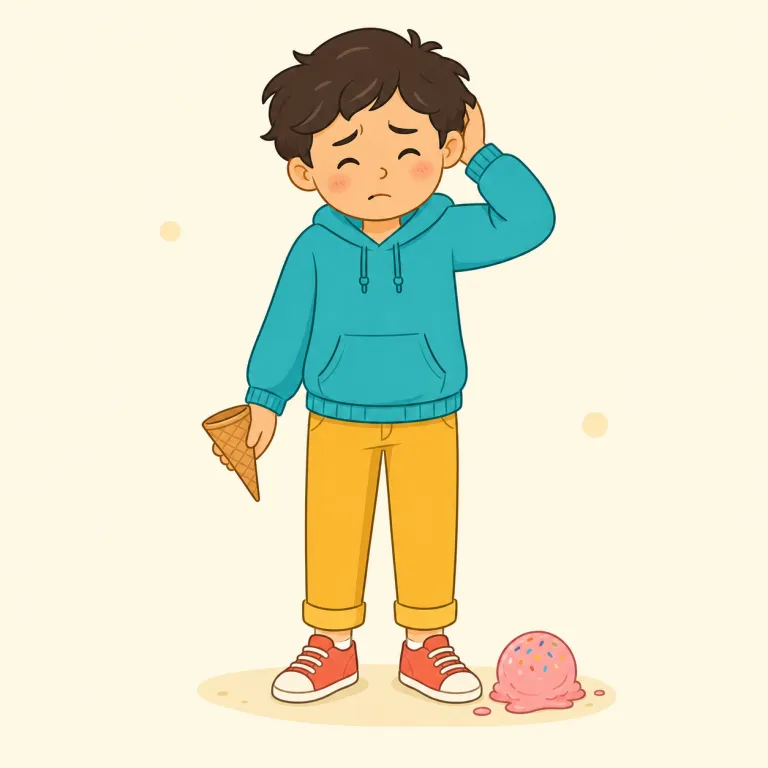
失敗したときや、がっかりしたときに軽く発する感動詞です。日本語の「ちぇっ」「しまった」「やれやれ」に近く、強い怒りではなく、軽い失望や気まずさをやわらかく表します。くだけた口語表現で、深刻な場面にはあまり向きません。
Shucks is a mild informal word people say to show small disappointment, surprise, or modest embarrassment. It is common in casual spoken English and sounds old-fashioned or gentle rather than strong. People also use it to react modestly to praise.
「強く悪態をつく語」ではなく、"oops" や "shoot" に近い、軽くこぼす残念さとして覚えると残りやすいです。何かを落とした、間違えた、期待が外れたときに "Shucks!" と小さく言う場面を思い浮かべるとよいです。"damn" ほど荒くなく、深刻でもないのがポイント。失敗やがっかりへの短い反応として押さえると、この行の「ちぇっ、しまった」に結びつきます。
Remember `shucks` as a soft, harmless reaction, closer to `oops` or `shoot` than to a strong swear word. Picture someone dropping something and saying `Shucks!` under their breath. `Aw, shucks` is also common when someone reacts in a shy or modest way.
Shucks, I forgot to send the email.
ちぇっ、メールを送るのを忘れた。
Shucks, we just missed the bus.
しまった、バスにちょうど乗り遅れた。
Shucks, I thought the store would still be open.
ちぇっ、まだ店が開いていると思ったのに。
文脈によって、次の意味でも使われます。
褒められたときなどに、うれしさや照れを隠して謙遜する軽い応答として使います。「いやあ、それほどでも」のような調子で、失望を表す用法とは異なり、好意的な気まずさや慎みを示します。
shucks は英語 shuck「殻・皮」の複数形で、shuck はおそらくオランダ語・低地ドイツ語系にさかのぼる。shuck off や cornshuck も同根で、中身でない捨てる殻から「つまらないもの」という感覚が生まれ、失敗時に軽くこぼす「ちぇっ、しまった」という嘆きにもつながった。
"Shucks" comes from the plural of "shuck," a word for an outer shell or husk, probably from Dutch or Low German sources. Because a shuck is the part you throw away, the word developed a sense of something worthless or trivial. From there, "shucks" became a mild expression of disappointment or annoyance. Related forms include "shuck off" and "cornshuck."
この英単語をクイズで覚えよう