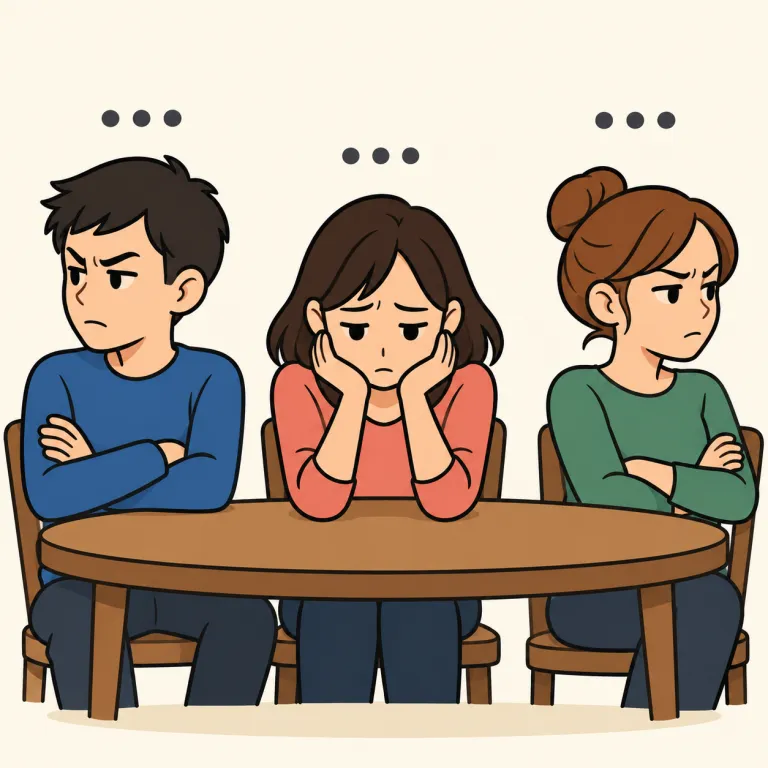
沈黙した
解説 Definition
silenced は silence(黙らせる、静かにさせる)の過去形・過去分詞で、形容詞としては「沈黙した、静かにさせられた」という意味です。人や音、意見などが何らかの理由で声を出さなくなった状態を表します。
Made unable or unwilling to speak, make a sound, or express an opinion. It can describe people or groups quieted by an event or force, as well as devices whose audible sound has been turned off.
覚え方のコツ Memory Tip
silence「黙らせる」に規則変化の -d が付いた過去形・過去分詞で、語末は /st/ と発音する。形容詞的には、自発的に静かな silent と違い、知らせ・命令・設定などによって「声や音を止められた」状態を示す。be silenced by news、a silenced phone の形で覚える。
Start with the verb silence, “to make someone or something quiet,” and add the regular past-participle ending -d; silenced ends with the sound /st/. As an adjective or participle, it usually suggests that some event, person, or setting caused the quietness. This distinguishes it from silent, which simply describes an absence of sound. Remember patterns such as the crowd was silenced by the news and a silenced phone. Both focus on a change from producing sound to producing none.
例文
The silenced room felt tense after the argument.
口論のあと、沈黙した部屋には緊張感が漂っていました。
The crowd was silenced by the unexpected news.
予想外の知らせに、群衆は静まり返りました。
Her silenced phone did not disturb the meeting.
音を消した彼女の電話は会議の邪魔をしませんでした。
silenced の類義語・関連語
silenced の語源・成り立ち Etymology
ラテン語 silēre(黙る)から古フランス語 silence を経て英語に入り、過去分詞形 silenced となった。語根 sil- は「静止・沈黙」を表す。関連語に silence(沈黙)、silent(静かな)がある。銃の消音器にも silencer と使われるのはこの語源から。
Silenced is the regular past tense and past participle of the verb silence. Silence entered English through Old French from Latin silentium, “stillness or absence of sound,” related to silēre, “to be quiet.” English later used the noun as a verb meaning “to make quiet” or “to suppress expression.” The final -d marks the regular inflection, although after the /s/ sound of silence it is pronounced /t/.
同じレベルの語彙をもっと
外部辞書で調べる
この英単語をクイズで覚えよう