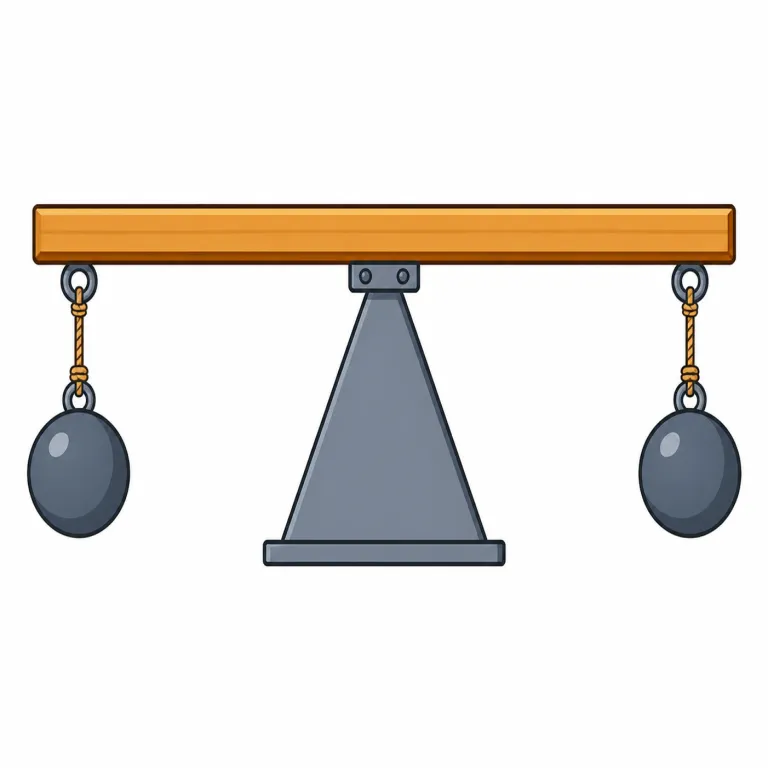
静力学
解説 Definition
力の釣り合いを扱う物理学の一分野。静止状態にある物体に作用する力を研究する。
Statics is the part of physics and engineering that studies objects and structures when they are not moving. It looks at forces, weight, and balance, and helps explain how buildings, bridges, and other systems stay stable. The word is usually used in technical or academic contexts.
覚え方のコツ Memory Tip
static を知っていれば入りやすい語。static image, static electricity の static は「動かない・変化しない」感じで、statics はそこに -ics が付いた「その分野・学問」。物理では dynamics が「動いている物体」、statics が「止まった物体に働く力のつり合い」と対になるので、2語セットで覚えると強い。static equilibrium, statics problems などの形でも出る。statistics と綴りが近いが、統計学ではない点に注意。
Start with `static`, the word for something that does not move or change. Add `-ics`, which often names a field of study, like in mathematics or physics. It helps to learn it as a pair with `dynamics`: `dynamics` is about motion, while `statics` deals with things staying still. Be careful not to mix it up with `statistics`, which looks similar but is a different subject.
例文
In our statics course, we learned how to analyze forces acting on structures at rest.
静力学の授業で、静止している構造物に作用する力の分析方法を学んだ。
Statics is a fundamental subject for civil engineering students.
静力学は土木工学の学生にとって基礎的な科目である。
The professor used free-body diagrams to explain the principles of statics.
教授は自由体図を使って静力学の原理を説明した。
statics の類義語・関連語
statics の語源・成り立ち Etymology
statics は static + -ics で、static はギリシャ語 statikos「立たせる・静止させる」に由来し、語根は histemi「立つ」です。stasis や stable と同じく「立って動かない」が核にあり、力がつり合う状態を扱う静力学になりました。
Statics is formed from static and the noun ending -ics. Static comes from Greek statikos, meaning "causing to stand," from a root meaning "to stand." The basic idea of standing still also appears in words like stasis and stable. From that sense, statics became the name of the branch of mechanics dealing with bodies at rest and balanced forces.
同じレベルの語彙をもっと
外部辞書で調べる
この英単語をクイズで覚えよう