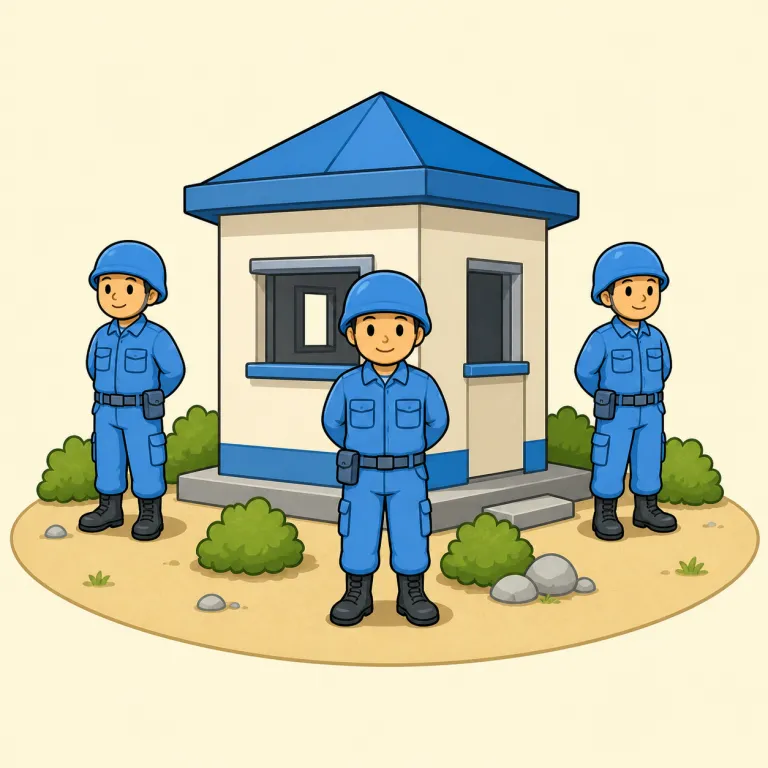
駐留、配置
解説 Definition
stationing は、人員、とくに兵士や部隊を特定の場所に配置したり駐留させたりすることを表す名詞です。軍事や公的機関の文脈でよく使われ、どこに誰を常駐させるかという配備の状態や行為を指します。
Stationing means placing people, soldiers, or equipment in a particular location for a purpose. It is commonly used in military, police, or official contexts. The word focuses on where someone is assigned to stay or work.
覚え方のコツ Memory Tip
まず station を「駅」だけでなく「持ち場・配置場所」と広げて覚えると入りやすいです。train station が列車の決まった場所なら、兵士や部隊の stationing は「人をある場所に置いておくこと」。stationed in Japan, military stationing の形で出やすく、移動よりも常駐・配備の感じが強い語です。placement より公的・軍事寄りで、parking のように物を止める感じではない点も区別すると定着しやすいです。
Remember that `station` can mean not only a train place, but also a fixed post or position. So `stationing` is the act of placing people, especially soldiers, in a particular place for duty. Think of common phrases like `troop stationing` or `stationed overseas`.
例文
The stationing of troops near the border caused tension.
国境付近への部隊の駐留は緊張を引き起こした。
The permanent stationing of soldiers in the town provided security.
その町への兵士の恒久的な配置は安全をもたらした。
The government approved the stationing of peacekeepers in the region.
政府はその地域への平和維持部隊の駐留を承認した。
stationing の類義語・関連語
stationing の語源・成り立ち Etymology
stationingはstationに動作名詞の-ingが付いた形。stationはラテン語statio「立つ場所・持ち場」にさかのぼり、さらにstare「立つ」に由来する。『立ってその場を守ること』が元なので、軍隊の駐留という意味が腑に落ちる。関連語はstate, stable。
Stationing is formed from station with the action ending -ing. Station comes from Latin statio, meaning "a standing place" or "post," from stare, "to stand"; related English words include state and stable. From the idea of standing in an assigned place, it developed into the sense of placing people, especially soldiers, at a post.
同じレベルの語彙をもっと
外部辞書で調べる
この英単語をクイズで覚えよう