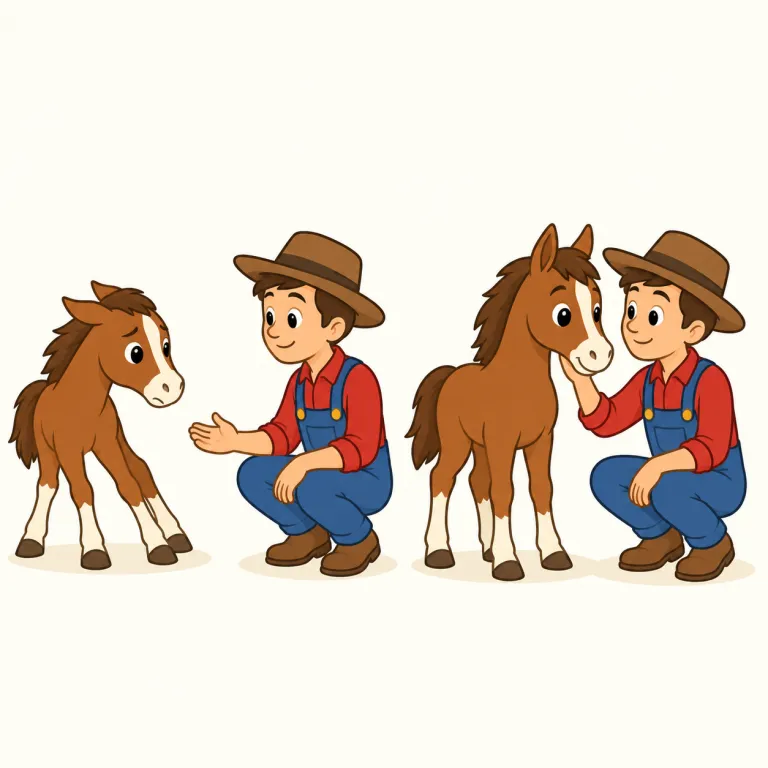
飼いならす
解説 Definition
taming は tame(飼いならす、おとなしくさせる)の現在分詞・動名詞です。動物を人に慣れさせるほか、感情や状況を制御しやすくする意味でも使われます。
Taming is the -ing form of tame. It means making a wild animal accustomed to people and easier to control, or, figuratively, bringing a powerful emotion, difficult situation, or unruly force under control and making it more manageable.
使い方 Usage
- be動詞+taming+動物で「飼いならしている」という進行中の動作を表します。 Use be + taming + an animal to describe the ongoing action of making it tame.
- Taming a wild horse のような動名詞句は、「野生の馬を飼いならすこと」として文の主語にもなります。 A gerund phrase such as Taming a wild horse can be the subject of a sentence, meaning the activity of making the horse tame.
- taming anger のように、強い感情や扱いにくい状況を制御する比喩用法もあります。 Taming can also refer figuratively to controlling strong emotions or difficult situations, as in taming anger.
覚え方のコツ Memory Tip
tame の語末の e を落として -ing を付けると taming。発音は /ˈteɪmɪŋ/ です。野生の馬が少しずつ人に慣れ、穏やかで扱いやすくなる場面を思い浮かべましょう。
Drop the final silent e of tame before adding -ing: taming, pronounced /ˈteɪmɪŋ/. Picture a wild horse gradually becoming calmer and more accustomed to people.
例文
Taming a wild horse takes time.
野生の馬を飼いならすには時間がかかります。
The trainer is taming a young hawk.
調教師は若いタカを飼いならしています。
taming の類義語・関連語
taming の語源・成り立ち Etymology
taming は tame + -ing で、tame は古英語 tam「飼いならされた」、さらにゲルマン祖語 *tamaz を経て、ラテン語 domare「征服する・馴らす」と同根です。『荒々しいものを人の支配に入れる』感覚が核で、indomitable や untamed に同じ根が見えます。
Taming is formed from the verb tame and -ing, with the final silent e omitted. Tame comes from Old English tam, meaning “domesticated” or “gentle,” and belongs to a Germanic word family reconstructed with a similar sense. It is also related at a deeper Indo-European level to Latin domare, “to subdue or tame.” The central historical idea is bringing something wild or resistant under human control, which supports both the animal-related and figurative modern uses.
同じレベルの語彙をもっと
外部辞書で調べる
この英単語をクイズで覚えよう