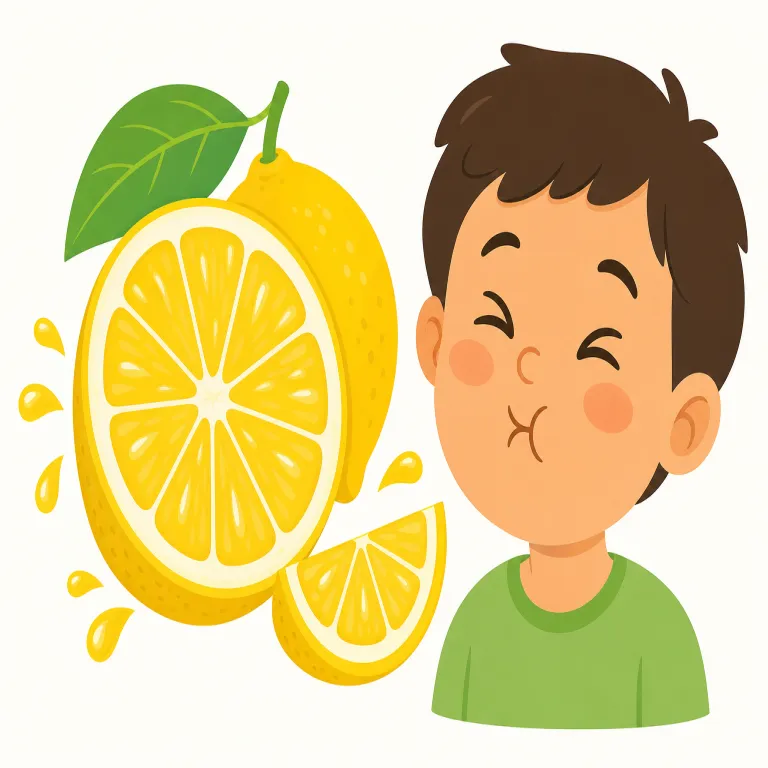
酸味のある
解説 Definition
食べ物や飲み物に、はっきり感じられる心地よい酸味や刺激があることを表す形容詞。レモン、ヨーグルト、ビネガーのように、さっぱりしていて少し鋭い味わいを表現するときによく使う。甘さや重さを引き締める、きりっとした風味にも使われる。
Tangy describes a strong, sharp taste that is slightly sour but pleasant. It is often used for foods and drinks such as citrus fruits, sauces, or yogurt. The word usually suggests a fresh and lively flavor, not a bad one.
覚え方のコツ Memory Tip
tangy は taste を表す語の中で、sweet でも bland でもなく、「ひと口で酸味が立って、さっぱり感じる味」とまとめて覚えると残りやすい。lemon, yogurt, tomato sauce, dressing など酸味が魅力の食べ物と結びつけ、a tangy flavor, tangy sauce の形で覚えると実戦的。sharp や zesty に近いが、tangy は特に心地よい酸味寄り。単に不快なくらい酸っぱいだけなら sour なので、その違いを対で押さえると混同しにくい。
Link `tangy` to foods that have a bright, lively taste, like lemon, yogurt, or dressing. It often appears in phrases like `tangy sauce` or `a tangy flavor`. To keep it clear, compare it with `sour`: `tangy` is usually pleasant and fresh, while `sour` can sound too strong or unpleasant.
例文
The lemon juice has a tangy flavor that complements the fish.
そのレモン汁は酸味のある風味で、魚のおいしさを引き立てる。
I love the tangy taste of Greek yogurt.
私はギリシャヨーグルトのさわやかな酸味が好きだ。
The sauce has a tangy kick that makes the dish interesting.
そのソースのきりっとした酸味が、料理に面白みを加えている。
tangy の類義語・関連語
派生語
tangy の語源・成り立ち Etymology
tangy は英語 tang「鋭い味・ぴりっとした刺激」に形容詞語尾 -y が付いた語で、tang は古ノルド語系の語にさかのぼります。tang や tanginess も同系で、『舌を軽く刺す感じ』がそのまま酸味や香りのきいた味を表すのが見えてきます。
"Tangy" comes from the English noun "tang" with the adjective suffix "-y." "Tang" is probably from a Scandinavian source and first suggested a sharp, biting quality. That sense later moved from a physical sting to a sharp taste or smell. Related forms include "tang" and "tanginess."
同じレベルの語彙をもっと
外部辞書で調べる
この英単語をクイズで覚えよう