tell on
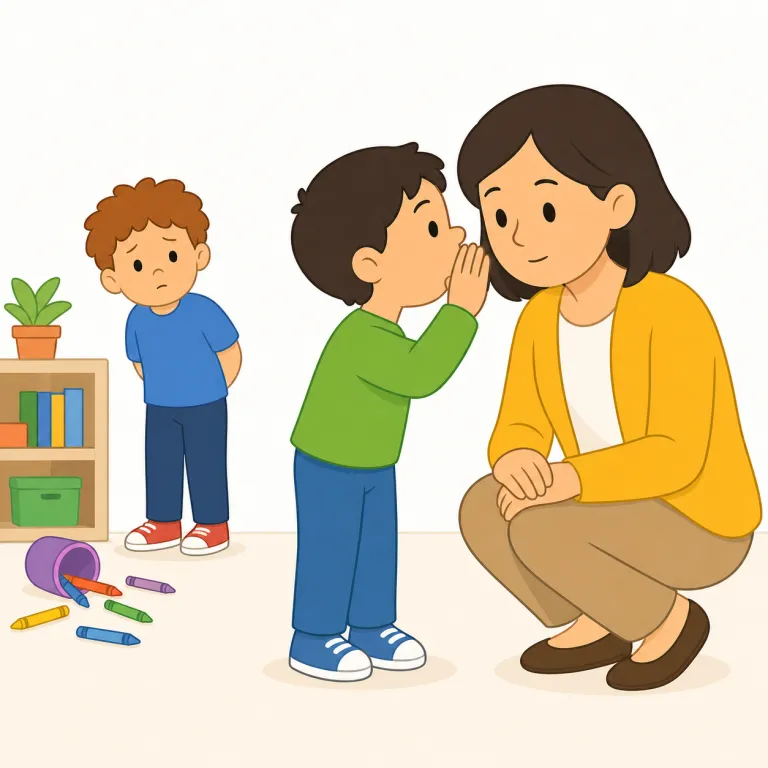
tell on は英検準1級レベルの英熟語で、「告げ口する、こたえる」という意味があります。発音記号は /ˈtɛl ˈɑːn/ です。
意味一覧 (2件)
告げ口する
解説 Definition
この句動詞は、誰かの悪い行いを目上の人や権威ある相手に知らせるときに使うことが多い。友達や兄弟姉妹同士での注意、学校や職場での告げ口のニュアンスが含まれる。告げた結果に自分が責められることを気にする場面でも用いられる。
To tell on someone means to inform a person in authority about something wrong that they did. It is especially common in situations involving children, school, or family. It can sound negative because it suggests reporting someone’s behavior.
覚え方のコツ Memory Tip
tell を知っていれば核は『話す』。tell on は『人のことを先生・親・上司に話す』と捉えると覚えやすいです。特に子ども同士や同僚間での『告げ口・チクる』感じが強く、単なる report より軽く、snitch に近い嫌な響きがあります。tell on your brother, tell on a classmate のように『誰かの悪事を authority に伝える』場面で固定すると定着します。tell A about B が中立なのに対し、tell on は『相手が怒られる方向に言う』のがポイントです。
You already know "tell" means speak, so "tell on" is easier if you picture telling an authority about another person. It is often used for children, classmates, or coworkers who report someone so that person gets in trouble. That unpleasant feeling helps the phrase stay in memory.
例文
Don't tell on me for borrowing your bike without asking.
無断で君の自転車を借りたことを言いつけないで。
She told on the students who were cheating on the test.
彼女はテストでカンニングをしていた生徒たちを先生に言いつけた。
He threatened to tell on his brother.
彼は弟のことを告げ口すると脅した。
こたえる
(意味 2)
解説 Definition
疲労・年齢・病気・無理などの影響が、外見や体調、仕事ぶりに目に見えて出てくるときに使う句動詞。すぐには分からなくても、後になって悪い影響がはっきり現れるという含みがあり、「たたる」「影響が出る」に近い。人や状況の変化に気づいて述べる場面でよく使う。
To have a noticeable harmful effect on someone's health, appearance, or performance. It often implies that the effects of age, illness, stress, or overwork become visible over time.
覚え方のコツ Memory Tip
tell を知っていれば核は『語る・表に出す』。tell on は、疲れや年齢が体の上に“ものを言う”ように表れる、と捉えると覚えやすいです。特に The years told on him. のように、無理・病気・ストレスの影響が顔色や仕事ぶりに出る場面で使います。tell on your brother の『告げ口する』とは別に、ここでは『悪い影響が本人に出る』のがポイントです。
Imagine stress or age “telling” its story through a person's face or health. In this sense, “tell on someone” means that a harmful effect becomes visible, not that someone reports another person's wrongdoing.
例文
The years of hard work are starting to tell on him.
何年もの激務の影響が彼に出始めている。
All that stress told on her face.
そのストレスのせいで彼女の顔に疲れが表れた。
Too many late nights will tell on your health.
夜更かしのしすぎは健康にこたえる。
tell on の類義語・関連語
tell on の語源・成り立ち Etymology
tellは古英語tellan(数える、語る)に由来し、ゲルマン祖語taljanから。onは「~について」で、tell onは「誰かについて(悪いことを)語る」→「告げ口する」。関連語:tale(物語)、teller(語り手・窓口係)。元の「数え上げる」から「言葉で伝える」に意味が広がった。
"Tell" comes from Old English tellan, which first meant "to count" and later also "to relate in words." It goes back to an older Germanic root, also seen in tale and teller. With "on," meaning "about" or "concerning," the phrase developed the sense of speaking about someone's wrongdoing, leading to the idea of informing on them.
同じレベルの語彙をもっと
英検準1級の一覧へ →外部辞書で調べる
この英熟語をクイズで覚えよう