意味一覧 (2件)
アンバランスな
解説 Definition
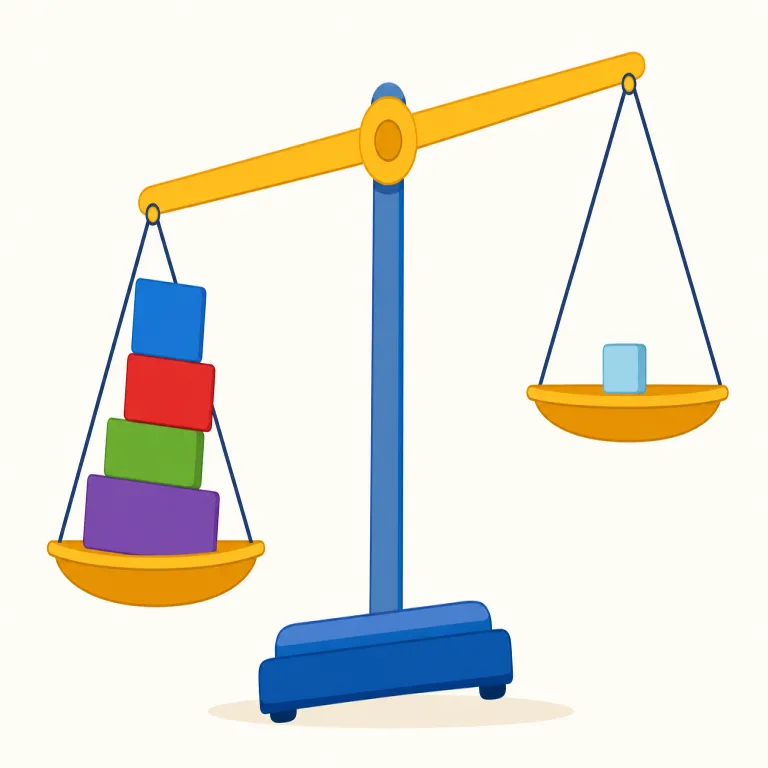
バランスが取れていない、または平衡が乱れている。重さや力が不均等である。心理的・構成的に不安定な状態も指すことがある。
Unbalanced means not even, not properly arranged, or not steady on both sides. It can describe physical things, situations, or writing that gives too much attention to one side. When used about a person, it may also suggest emotional or mental instability, so that use can sound strong.
覚え方のコツ Memory Tip
まず balanced を確実に押さえると覚えやすい語です。balance は「つり合い・均衡」、そこに否定の接頭辞 un- が付いて「つり合っていない」と素直に読めます。物の重さが片寄っている場面だけでなく、an unbalanced diet なら「栄養が偏った食事」、mentally unbalanced なら「精神的に不安定」という広がりでもよく出ます。opposite は balanced。単なる small problem ではなく、配分や状態に偏りがある感じを意識すると残りやすいです。
This is an easy build: `balanced` plus `un-`. So the word simply points to something not in balance. Remember that it is used both for physical things and wider situations, like `an unbalanced diet` or `mentally unbalanced`.
例文
The unbalanced load caused the cart to tip over.
バランスの悪い積み荷のせいで、カートが横倒しになった。
An unbalanced diet can lead to health problems.
偏った食事は健康上の問題につながることがある。
The team felt unbalanced without its key player.
主要選手がいないとチームはバランスを欠いていた。
情緒不安定な
(意味 2)
解説 Definition
人について用いると、感情や判断が安定せず、普通どおりに振る舞えない様子を表す。強いストレスや精神的負担で危うく見える文脈で使われ、怒りや不安で行動が読みにくい人を評する時に用いられる。やや強い評価語である。
Describes a person whose emotions or judgment seem seriously unstable, making their behavior difficult to predict. It is a strong and potentially judgmental description, often used when stress or mental strain appears to have affected someone.
例文
After weeks of stress, he seemed unbalanced.
何週間もストレスが続いたあと、彼は情緒不安定に見えた。
The witness said the man looked unbalanced and dangerous.
目撃者は、その男が情緒不安定で危険そうに見えたと話した。
She worried that the isolation was making her feel unbalanced.
その孤立した生活のせいで、自分が情緒不安定になってきているのではないかと彼女は心配した。
unbalanced の類義語・関連語
対義語
unbalanced の語源・成り立ち Etymology
unbalanced は un-「〜でない」+ balanced「釣り合った」で、balance は古フランス語を経てラテン語 bilanx(bi-二つ + lanx 皿)にさかのぼります。天秤の両皿がつり合うイメージから、「均衡していない」つまり「アンバランスな」になりました。関連語は balance, counterbalance。
Unbalanced is formed in English from un- "not" and balanced. Balance came through Old French from Late Latin bilanx, meaning "having two scale pans," from bi- "two" and lanx "plate" or "pan." The image is a scale whose two sides do not match, and this grew into the wider sense of lacking balance or stability. Related words include balance and counterbalance.
同じレベルの語彙をもっと
外部辞書で調べる
この英単語をクイズで覚えよう