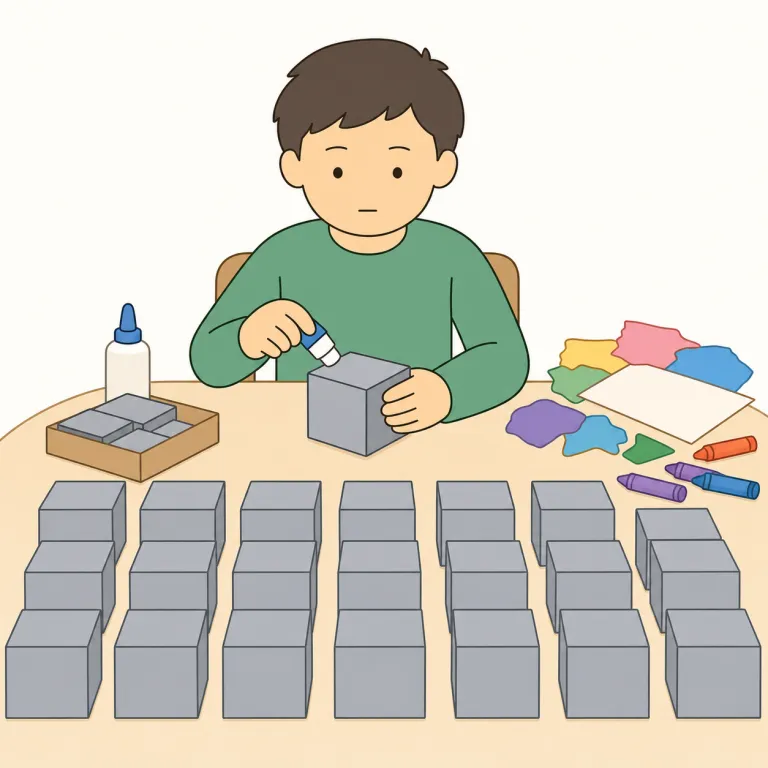
想像力に欠ける
解説 Definition
創造性や想像力が不足している状態を意味します。新しいアイデアを生み出したり、独自の考え方をする能力に欠けています。退屈で平凡な傾向があります。
Unimaginative means not original, creative, or interesting in thought or style. It is used to describe ideas, plans, or people that seem ordinary and lacking new thinking. The word is usually critical.
覚え方のコツ Memory Tip
まず imaginative を「想像力がある」と押さえ、un- が付くと正反対になる形で覚える。imagine / image と同じ仲間なので、「頭の中にイメージを広げられない人・発想が平凡」という感覚でつなぐと定着しやすい。creative よりも『面白い案が出ない』『ありきたり』に寄る語で、an unimaginative plan / design / writer のように、企画や表現が退屈だと言いたい場面でよく合う。
Start with `imaginative`, which is linked to `imagine` and `image`. Then `unimaginative` is the clear opposite: no fresh ideas, no strong mental pictures. It often describes something ordinary or dull rather than completely bad. Think of `an unimaginative design` or `an unimaginative plan`.
例文
The proposal was unimaginative and offered no new ideas.
その提案は想像力に欠け、新しいアイデアが一つもなかった。
His cooking style was unimaginative and predictable.
彼の料理スタイルは想像力に欠け、ありきたりでした。
The movie had an unimaginative plot that simply repeated an old story.
その映画の筋書きは想像力に欠け、昔からある物語の焼き直しにすぎなかった。
unimaginative の類義語・関連語
unimaginative の語源・成り立ち Etymology
古英語由来の否定接頭辞 un-「〜でない」+ imaginative から成る語です。imaginative は古フランス語・中世ラテン語を経てラテン語 imaginari「心に像を描く」にさかのぼり、関連語 imagine・image を見ると、「頭に像を作れない」から「想像力に欠ける」と分かります。
This word combines un- with imaginative. Imaginative comes from imagine, which entered English through French and Medieval Latin from Latin imaginari, meaning "to form an image in the mind." Because the root is about making mental pictures, unimaginative came to describe someone or something lacking fresh ideas or mental creativity. Related words include image and imagine.
同じレベルの語彙をもっと
外部辞書で調べる
この英単語をクイズで覚えよう